Almonds and peanuts are both worth considering as a protein-rich post-workout snack: the products compared here provide 24 to 26 g of protein per 100 g, depending on the variety. If you’re looking for less salt and a short ingredients list, compare plain almonds with roasted and salted varieties. Protein content, portion size and energy content all matter. Your overall diet, in relation to your training volume and goals, is what determines your protein requirements – not a single snack.
Which snacks might suit you?
For people keeping an eye on protein
If you’re choosing a snack based on its nutritional information, compare the protein per 100 g first, then consider how much you actually plan to eat. The almond and peanut products from EDEKA, REWE and ALDI SÜD compared here provide 24 to 26 g of protein per 100 g.
For people keeping an eye on salt and ingredients
If you’re looking for a short ingredients list, check the specific variety. REWE lists almonds as the only ingredient in its whole Californian almonds, with 0.01 g of salt per 100 g. EDEKA’s roasted and salted almonds also contain sunflower oil and salt.
For active people eating a plant-based diet
Nuts and peanuts can be part of a varied selection of plant-based foods, but they don’t replace looking at your overall protein intake. The German Nutrition Society (DGE) assesses protein requirements for sport according to training volume, training status and goals.
What should you look for when buying?
First, compare the nutritional information for the specific variety per 100 g. Then check the ingredients and salt content, and consider how much you plan to have as a snack.
| What to compare |
What to check when buying |
Who it matters to |
| Protein content |
Compare the protein per 100 g for the same product variety, and bear your planned portion in mind. |
If I want to add protein through a post-workout snack, I need a comparable figure rather than a general claim about nuts. Around 36% of consumers would make comparing protein their main reason for buying. |
| Salt and ingredients |
Check the salt per 100 g and the ingredients list for plain or seasoned varieties. |
I want to decide for myself whether added salt and oil suit my snack. For around 27% of consumers, this would be their top priority when buying. |
| Energy and portion size |
Compare the energy per 100 g with the amount you plan to eat. |
A larger portion won’t automatically fit better with the rest of my meal just because it contains more protein. Around 19% of consumers would prioritise portion planning. |
| Pack size and where to buy |
Check the pack size and the variety available locally. |
If I plan to have this snack regularly, I need a pack size and variety that suit how much I use. For around 18% of consumers, this would be the most important factor in their choice. |
Which common mistakes can you avoid?
-
Choosing only the highest protein content
The products compared here provide 24 to 26 g of protein per 100 g. At the same time, their stated energy content ranges from 596 to 619 kcal per 100 g, so a larger portion increases more than just the amount of protein you consume.
Compare protein and energy using the same measure, and think about which portion will fit with the rest of your meal.
-
Treating plain and salted almonds as the same
REWE lists 0.01 g of salt per 100 g for its whole Californian almonds, with almonds as the only ingredient. EDEKA’s roasted and salted almonds provide 0.98 g of salt per 100 g and also contain sunflower oil.
Check the ingredients list and salt content for each variety rather than applying figures from a different type of almond.
-
Guessing allergens from the product category
Peanuts and tree nuts are different allergenic ingredients. So the description “nut snack” doesn’t tell you which of them a particular product contains.
If you have an allergy, check the highlighted ingredients and any precautionary allergen statements on the pack. The German Food Federation lists peanuts and tree nuts separately among the allergens that must be declared.
Useful brands to consider
REWE Beste Wahl
REWE’s own brand, with a range of almond varieties.
- For its whole Californian almonds, REWE lists 24 g of protein and 0.01 g of salt per 100 g, with almonds as the only ingredient.
- The information for these whole almonds shouldn’t be applied to roasted or seasoned varieties.
GUT&GÜNSTIG
EDEKA’s own brand, with almond and peanut products prepared in different ways.
- EDEKA lists 24.7 g of protein per 100 g for its blanched flaked almonds and 26 g for its roasted and salted almonds.
- The roasted and salted almonds also contain sunflower oil and salt; EDEKA lists 0.98 g of salt per 100 g for them.
Alesto
Lidl’s snack brand, with plain nuts and seasoned snack varieties.
- The different varieties let you choose according to your preferred ingredients and taste.
- Check the nutritional information and ingredients for each product; the brand alone doesn’t indicate a particular amount of protein or salt.
FARMER NATURALS / FARMER
ALDI SÜD own brands, including plain almonds and salted snack varieties.
- For its plain almonds, ALDI SÜD lists 24 g of protein and 0.01 g of salt per 100 g.
- The nutritional information for these almonds doesn’t automatically apply to roasted nuts or mixes from the same brands.
Seeberger
A brand offering almonds, peanuts and other nuts and kernels in a range of varieties.
- You can compare plain and processed varieties by their ingredients, pack size and intended use.
- Salted or sweet varieties aren’t the same as plain products when it comes to ingredients and nutritional information.
Joybuy products for this selection
Here you’ll find almonds and peanuts to compare as post-workout snacks, as well as pine nuts to add to a meal. For each product, check the nutritional information, ingredients and allergen advice on the specific pack.
 No image available
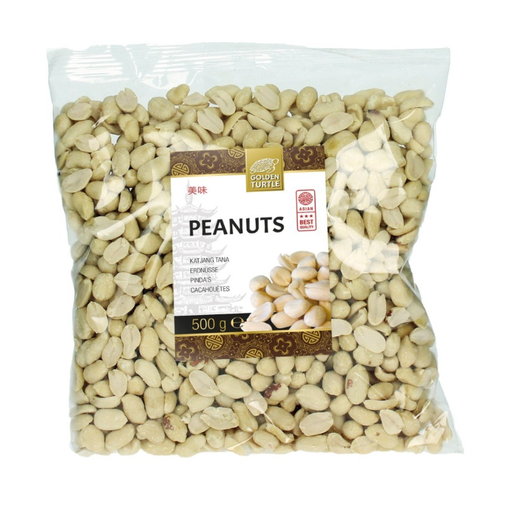
Golden Turtle Peanut Snack 500 g
An option if you’re looking for peanuts as a post-workout snack. Before choosing, compare the protein, energy and salt on the pack, and check the allergen advice.
Pack size: 500 g.
View at Joybuy
 No image available
Seeberger Whole Natural Almonds Extra 500 g
Whole plain almonds are worth considering if you’d prefer an almond variety rather than a seasoned snack. Adjust your portion to fit with the rest of your meal, and check the allergen advice.
Pack size: 500 g.
View at Joybuy
 No image available
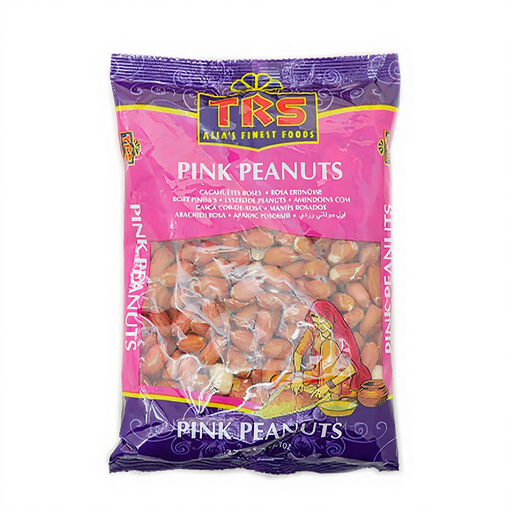
TRS Peanuts Kernels Pink 375 g
Peanut kernels are an option if you’d like to decide how to prepare them yourself. Check the preparation instructions on the pack before eating, and remember that allergen labelling is important if you have a peanut allergy.
Pack size: 375 g.
View at Joybuy
 No image available
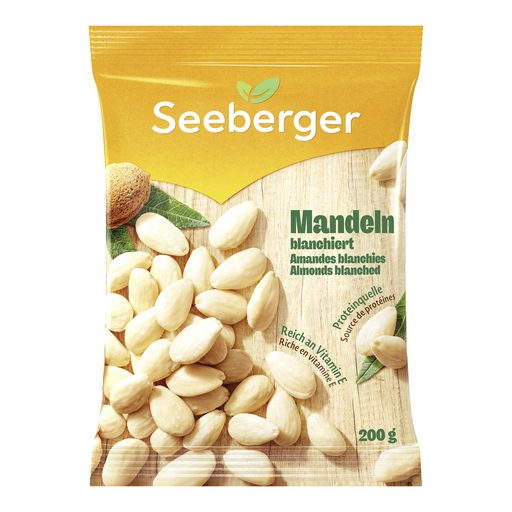
Seeberger Blanched Whole Almonds 200 g
Whole blanched almonds are worth considering if you’re looking for an almond variety to snack on or use as an ingredient. Compare the nutritional information on the specific pack with that of other varieties.
Pack size: 200 g.
View at Joybuy
 No image available
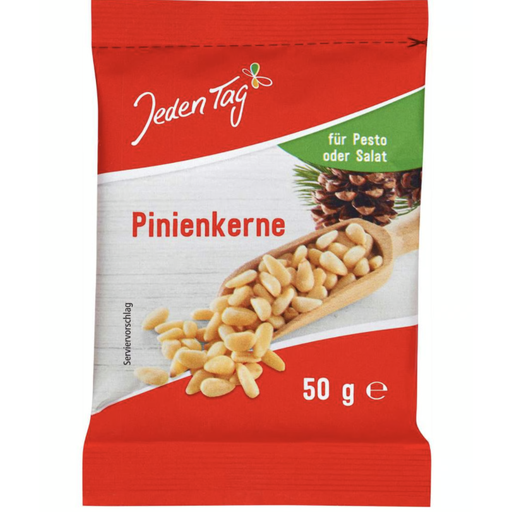
Jeden Tag Organic Pine Nut Kernels 50 g
Pine nuts are an alternative if you’d like to add something to a meal rather than choose an almond or peanut snack. Compare the protein, energy and salt on the pack when making your choice, and check for any allergen advice.
Pack size: 50 g.
View at Joybuy
Frequently asked questions
Do I need a protein supplement instead of nuts after a workout?
You don’t automatically need a protein supplement after a workout; what matters is your total protein intake in relation to your training goals. For people who train for more than five hours a week, the German Nutrition Society (DGE) recommends 1.2 to 2.0 g of protein per kg of body weight per day, depending on training status and goals. A nut snack is just one part of your diet.
Almonds or peanuts: which variety should I choose for my snack?
Choose based on the information for the specific variety, not just the type of nut. REWE lists 24 g of protein and 0.01 g of salt per 100 g for its whole plain almonds. EDEKA lists 26 g of protein and 0.98 g of salt per 100 g for its roasted and salted almonds, and 24 g of protein and 0.8 g of salt per 100 g for its roasted and salted peanuts. When choosing between these products, salt and ingredients matter as well as protein.
How can I identify peanuts and tree nuts on the pack?
Check the ingredients list and the highlighted allergens for the specific product. The German Food Federation lists peanuts and tree nuts as separate allergens that must be declared. Also look for any precautionary allergen statements on the pack.
How should I store almonds after opening?
Follow the storage instructions on the relevant pack. For the whole Californian almonds from REWE mentioned here, the advice is to store them in a dry place and protect them from heat.


