If you’re looking for a high-protein nut snack while keeping an eye on fat, compare protein and fat together per 100 g. The nut products covered here provide protein, but are also high in fat. A nut and soya mix may be worth considering for its protein content, while unsalted peanuts may suit you if salt is a priority. If lower fat content matters more than having a nut-based snack, other pulses could also be a source of protein.
Which snack options are right for you?
For protein-focused snackers
If you’re looking for a ready-to-eat snack, compare the protein content of a nut mix with its fat and energy content. The Kluth Fit Food Protein Mix listed by REWE shows why a high protein content alone doesn’t mean a product is low in fat.
For those focused on fat and energy
If reducing fat is your main priority, first decide whether you want nuts to be the snack or just one of its ingredients. The German Nutrition Society (DGE) distinguishes between the fat content of peanuts and that of other pulses.
For those keeping an eye on salt and ingredients
If you’re looking for unsalted peanuts or a mix with specific ingredients, check the salt information and ingredients list for the exact variety. Low salt content doesn’t tell you whether a product is also lower in fat.
What should you look for when buying?
First decide whether you’re looking for a nut snack or, above all, a source of protein with less fat. For ready-to-eat products, compare the nutritional values on the same per-100 g basis and check the ingredients.
| Criteria |
What to check |
Who it matters to |
| Protein in relation to fat |
Compare protein, fat and energy per 100 g for similar ready-to-eat products. |
When I want a crunchy snack, protein is my main priority, but I still want to keep an eye on the fat content. Around 42% of consumers put protein content first when making this choice. |
| Lower fat content |
Check fat and energy per 100 g and consider whether another pulse-based option might suit you better than a nut snack. |
I’m mainly looking for less fat in a protein snack and would be happy to switch from my usual nut-based option. For around 33% of consumers, this is the main priority. |
| Salt and ingredients |
Check the salt per 100 g, ingredients, and any declared allergens and precautionary allergen information for the exact variety. |
If I snack on nuts regularly or need to avoid certain ingredients, the ingredients and salt information matter more to me than getting as much protein as possible. Around 25% of consumers share this priority. |
What’s easy to confuse?
-
Assuming “high protein” means “low fat”
The Kluth Fit Food Protein Mix listed by REWE contains 32 g of protein, but also 41 g of fat per 100 g. Protein content alone doesn’t answer the question of how much fat a product contains.
Compare protein, fat and energy on the same basis. If reducing fat is your priority, look beyond the nut category for sources of protein too.
-
Assuming unsalted means reduced fat
The unsalted peanut products described by REWE and EDEKA24 are low in salt, but contain 51 to 52 g of fat per 100 g.
Choose “unsalted” if you’re watching your salt intake, and check the fat content separately.
-
Overlooking allergens in mixes
The Kluth mix listed by REWE combines soya beans, peanuts, almonds and walnuts. Nut mixes may also carry a precautionary warning about traces of other tree nuts or peanuts.
If you have allergies, check the ingredients and precautionary allergen information on the exact pack rather than assuming that a similarly named variety has the same ingredients.
-
Relying only on the product page
When checking ingredients, allergens and nutritional values, it’s the label on the pack you actually receive that matters. EDEKA specifically recommends checking the information on the product packaging.
Use online information to narrow down your options, then check it against the packaging before eating the product.
Brands to help you choose
The information below relates to specific products or ranges described here, not every product from each brand.
Kluth
The Fit Food Protein Mix combines nuts and soya beans in a snack mix.
- The product listed by REWE contains 32 g of protein per 100 g.
- With 41 g of fat per 100 g, this mix isn’t a low-fat option. It also contains salt and several allergenic ingredients.
Ültje
The roasted, unsalted peanuts covered here are an option if you’re looking for a peanut snack without added salt.
- According to REWE, they contain 25 g of protein and 0.05 g of salt per 100 g.
- They also contain 52 g of fat per 100 g. If you have allergies, check the pack label.
EDEKA Herzstücke
The roasted, unsalted peanut kernels covered here can be compared with other peanut products using their nutritional information.
- EDEKA24 lists 26 g of protein and 0.01 g of salt per 100 g for this product.
- The fat content is 51 g per 100 g. As well as peanuts, the product contains sunflower oil.
Seeberger
The Power Nuss-Mix may suit consumers looking for a mix of walnuts, cashews and almonds.
- Seeberger lists 22 g of protein and 0.02 g of salt per 100 g for this mix.
- It contains 55 g of fat per 100 g and may contain traces of other tree nuts and peanuts.
Alesto
Lidl’s Alesto range includes both natural nuts and mixes, as well as seasoned snack options.
- This gives you the option to look for a variety whose ingredients suit the type of snack you want.
- Compare the protein, fat and salt content for each variety using its nutritional information.
Nut-based products at Joybuy
This selection includes two protein bars, a cashew and cranberry mix, and a cashew and peanut mix. Bars and nut-and-fruit mixes aren’t made up of nuts alone, so check the nutritional information on each pack to see how it fits your protein and fat goals.
 No image available
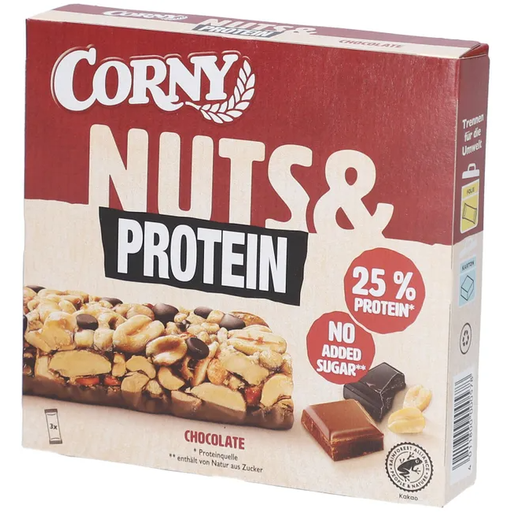
Corny Corn-Nut-Protein Chocolate with Corn 3x35g
This bar may suit you if you’re looking for a portioned snack rather than loose nuts. Compare the protein, fat and salt per 100 g to help you choose, and check the declared allergens.
View at Joybuy
 No image available
BE-KIND Protein Caramel Nut 12 x 50g
These individually portioned bars are an alternative to a nut-based snack. If you’re particularly mindful of salt, check the amount on the exact pack. Compare protein and fat per 100 g too.
View at Joybuy
 No image available
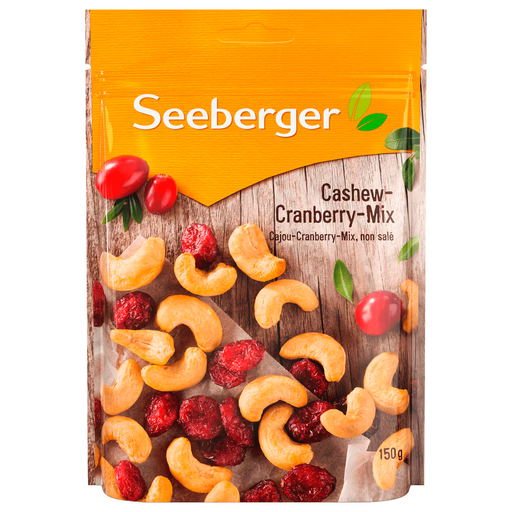
Seeberger Cashew & Cranberry Snack Mix 150g
This cashew and cranberry mix may suit you if you’re looking for a nut-and-fruit snack. As well as fat and protein, compare the sugar content and ingredients per 100 g.
View at Joybuy
 No image available
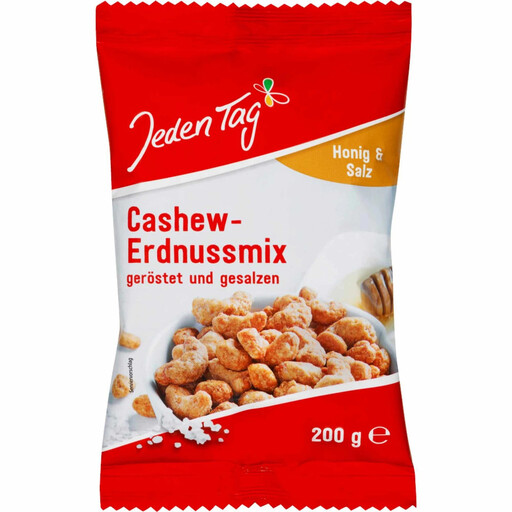
Jeden Tag Honey & Salt Cashew & Peanut Mix 200g
If you’re looking for a seasoned cashew and peanut mix, check whether its ingredients suit your preferences. In particular, compare protein, fat, sugar and salt per 100 g with unseasoned alternatives.
View at Joybuy
Frequently asked questions
Are nuts a low-fat protein snack?
The nut products covered here aren’t low in fat, despite their protein content. The German Nutrition Society lists peanuts as containing 48 g of fat per 100 g; the unsalted peanuts described by REWE and EDEKA24 contain 51 to 52 g per 100 g. If reducing fat is your priority, compare other pulses too.
Which information should I compare first in nut mixes?
Compare protein, fat, energy and salt per 100 g so that differences in pack size don’t skew your choice. Then check the ingredients and allergen information. For example, the Kluth Fit Food Protein Mix listed by REWE combines soya beans with peanuts and tree nuts.
What should I look out for if I have a nut allergy?
Check the declared ingredients and precautionary allergen information on the exact pack every time. The Seeberger Power Nuss-Mix contains several tree nuts and, according to Seeberger, may contain traces of other tree nuts and peanuts. You can’t tell whether a mix is suitable for you from its name alone.
How should I store nuts and nut mixes?
Follow the storage instructions on the relevant pack. Also check whether there are any specific instructions for storing the product after opening.


