People managing a set fat budget
If you’re planning to have nuts as a snack, don’t work out your portion size based on the protein figure alone. EDEKA’s unsalted peanuts contain 26 g of protein and 51 g of fat per 100 g.


Nuts can be part of a protein-focused diet, but they are not automatically a low-fat source of protein. EDEKA lists its roasted, unsalted peanuts as containing 26 g of protein and 51 g of fat per 100 g. If you’re keeping a close eye on your fat intake around training and recovery, it’s best to treat nuts as a planned portion and check the fat and protein figures for any alternative protein source too. What matters is the nutritional information for the specific variety and the portion you actually plan to eat.
If you’re planning to have nuts as a snack, don’t work out your portion size based on the protein figure alone. EDEKA’s unsalted peanuts contain 26 g of protein and 51 g of fat per 100 g.
Nuts can be a practical protein boost as part of a meal. If you’re working to a tight fat budget, it’s worth choosing your main protein source separately. The German Federal Centre for Nutrition lists a range of plant-based foods that can be combined to provide protein.
When buying nuts, mixes and bars, it’s important to check the ingredients on the specific pack. The European Food Safety Authority says peanuts and tree nuts are among the allergens that must be labelled on food sold in the EU.
If nuts or seeds are to fit into a protein-focused, low-fat diet, start by comparing fat and protein per 100 g and for your planned portion. Then check the ingredients, salt and, where relevant, allergens to choose the right variety.
| Criteria | What to check | Who it matters most to |
|---|---|---|
| Fat budget | Compare fat and protein per 100 g, then work out both figures for your planned portion. | If I’m working to a tight fat budget, a portion of nuts needs to fit into it, even if it contains protein. Sticking to their fat budget is a priority for around 36% of consumers. |
| Protein boost | Check protein and fat per portion; don’t choose nuts as your main protein source based on the protein figure alone. | Around training, I want to add protein without losing sight of my fat target because of a snack. For around 29% of consumers, adding protein comes first. |
| Ingredients and salt | Compare the ingredients list and salt content of the specific variety with an unseasoned option. | I want to know whether salt, oil or other ingredients have been added to my snack. This check is the main reason for buying for around 21% of consumers. |
| Plant-based choices and allergens | For mixes and bars, read all the ingredients, highlighted allergens and ‘may contain’ information on the pack. | I want to combine plant-based ingredients while also knowing which allergens the product contains or may contain. This is the main consideration for around 14% of consumers. |
The protein figure alone doesn’t tell you whether a product is suitable for a low-fat diet. EDEKA’s unsalted peanuts provide 26 g of protein per 100 g, but also contain 51 g of fat.
Compare both nutritional values and calculate them for the portion you actually plan to eat.
In a comparison of EDEKA’s two roasted peanut varieties, EDEKA lists the salt content as 0.75 g and 0.01 g per 100 g respectively. Both products contain 51 g of fat per 100 g.
If salt or added ingredients matter to you, check the ingredients list as well as the nutritional information for the variety you choose.
A product made with several ingredients may contain other allergens as well as peanuts or tree nuts. For example, Seeberger’s protein nut bar also contains soya beans.
If you have an allergy, check the full labelling and ‘may contain’ information on the specific pack rather than assuming you’ll tolerate it because you can eat another type of nut.
Without a planned amount, it’s difficult to work out how a nut snack fits into your personal fat budget. The German Federal Centre for Nutrition states that fat provides 9 kcal per gram.
Decide on your portion before heading out or after exercise, and store the rest in a sealed container.
The product ranges below include different nuts, seeds and other protein products. What matters when choosing is the information for the specific variety, not just the brand name.
EDEKA offers roasted Herzstücke peanuts in both salted and unsalted varieties.
Lidl’s Alesto range includes both plain nuts and seasoned snack products.
ALDI SÜD’s ranges include plain walnuts, almonds and cashews, as well as roasted peanuts.
Seeberger offers nuts, seeds, mixes and a protein nut bar made with several plant-based ingredients.
REWE PWR includes protein bars, whey and clear whey powders, offering alternatives to whole nuts.
These products are options if you’re looking for a portion of seeds, peanuts or peanut spread to use as an ingredient or snack. Peanut spread is a different kind of product from whole nuts. Before deciding whether any of them fit into a tight fat budget, check the nutritional information and work out your planned portion.
 No image available
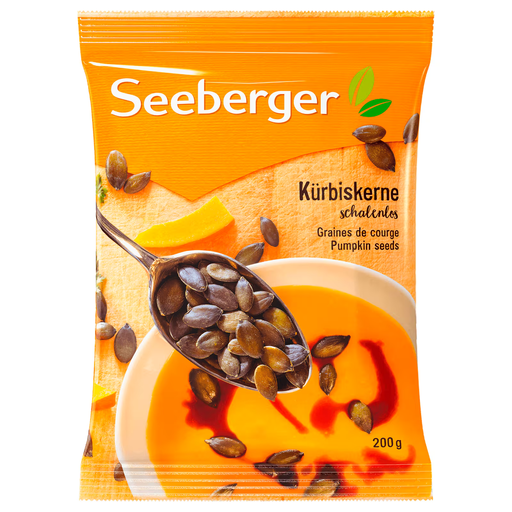
If you’re planning to use seeds as a small ingredient, decide on the amount before buying. Compare fat and protein per 100 g and for your portion, and check the allergen and ‘may contain’ information on the pack.
 No image available
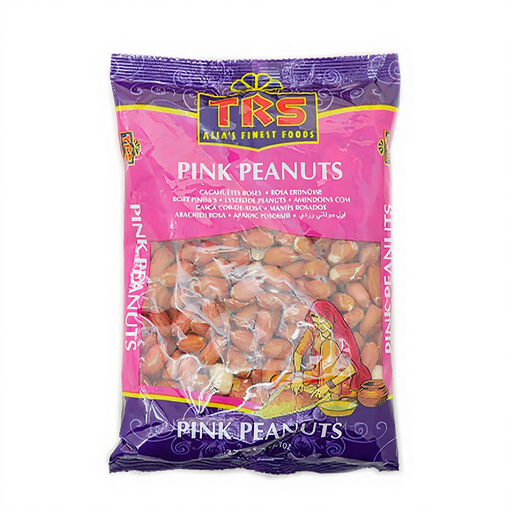
For a peanut snack with a set portion size, compare the fat, protein, salt and ingredients on the specific pack. Remember to check the allergen and ‘may contain’ information too.
 No image available
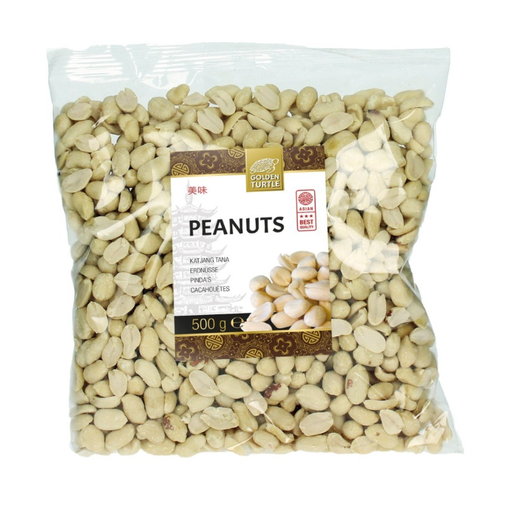
If you’re looking for peanut kernels to use as an ingredient, check the preparation instructions on the pack before buying. For your fat budget, the fat and protein in your planned portion and the allergen information are important too.
 No image available
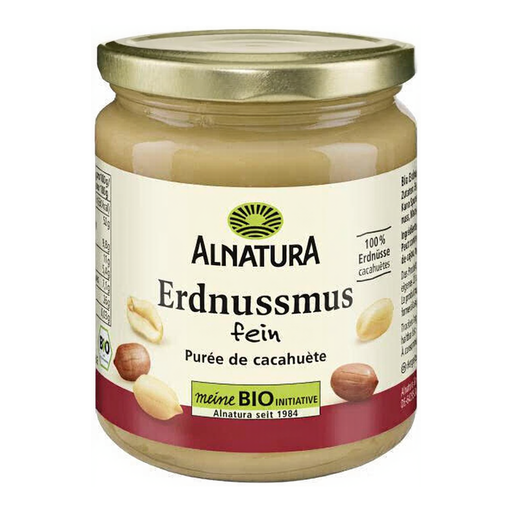
This peanut spread is an option if you’d prefer something spreadable to a portion of whole nuts. Plan how much you’ll use and check the fat, protein, ingredients and allergen information on the pack.
No. A high protein figure alone doesn’t make a variety of nuts low in fat. EDEKA lists its roasted, unsalted peanuts as containing 26 g of protein and 51 g of fat per 100 g. Whether a portion fits into your fat budget depends on its size.
In a direct comparison of EDEKA’s roasted varieties, the main differences are the salt content and ingredients. According to EDEKA, the unsalted peanuts contain 0.01 g of salt per 100 g, while the salted ones contain 0.75 g. Both are listed as containing 51 g of fat per 100 g. So, in this comparison, unsalted doesn’t mean lower in fat.
Nuts don’t need to be your only source of protein as part of a varied plant-based diet. The German Federal Centre for Nutrition also lists pulses, grains, potatoes and seeds as foods that can be combined. If you’re aiming for a low-fat diet, it’s worth checking the fat content of each portion separately.
Check the full ingredients list and allergen information on the specific pack. The European Food Safety Authority says peanuts and tree nuts are among the allergens that must be labelled on food sold in the EU. Products made with several ingredients may also include other ingredients and ‘may contain’ information.
Store them in an airtight container, preferably in the fridge. The German Federal Centre for Nutrition recommends this for leftover shelled and chopped nuts. Also follow the storage instructions on the specific pack.