People who train and focus on protein
You’re comparing nuts and mixes containing soya beans or peanuts as a late-night snack. For a meaningful comparison, the protein content per 100 g on the specific pack matters more than the wording on the front.


If protein per 100 g is your priority when choosing a late-night snack, it’s worth comparing the details on specific packs. The Kluth Fit Food Protein Mix listed by REWE contains 32 g of protein per 100 g, while the GUT&GÜNSTIG Snack Almonds listed by EDEKA contain 24 g. The mix includes ingredients such as salted soya beans and peanuts; if you’re looking for a short ingredients list, the almonds are an option. In either case, check the serving size and energy content, and if you have allergies, read the labelling on the individual pack.
You’re comparing nuts and mixes containing soya beans or peanuts as a late-night snack. For a meaningful comparison, the protein content per 100 g on the specific pack matters more than the wording on the front.
You want nuts with a short ingredients list for an evening snack, so you’re looking to distinguish plain products from roasted, salted or seasoned mixes.
Ingredients and allergen information are important to you, as a mix may contain peanuts, soya and various tree nuts, for example. If you have allergies, always check the labelling on the specific pack.
For a protein-focused midnight snack, start by comparing the ingredients and protein content on the specific pack. Then check the salt content, serving size and allergens to see whether the snack meets your needs.
A good fit if: You want to compare products with a high stated protein content. The Kluth Fit Food Protein Mix listed by REWE contains 32 g of protein per 100 g.
Worth bearing in mind: This mix contains roasted, salted soya beans and peanuts, so it may not suit everyone’s salt preferences or allergies.
A good fit if: You prefer a short ingredients list. The GUT&GÜNSTIG Snack Almonds listed by EDEKA contain almonds as the only ingredient and have 0,01 g of salt per 100 g.
Worth bearing in mind: These almonds contain 24 g of protein and 619 kcal per 100 g. Almonds are also an allergen in their own right.
A good fit if: You can eat peanuts and are considering them as part of a snack or mix. Botanically, they’re pulses.
Worth bearing in mind: Peanuts are an allergen that must be declared. Check the preparation method, salt content and nutritional information on the pack you choose, rather than assuming the values for a nut mix apply to plain peanuts.
| Criterion | What to check when buying | Who it matters to |
|---|---|---|
| Protein content | Compare the protein per 100 g and the ingredients on the specific pack. | After a workout, I want to compare the protein content of different snacks without assuming that the term ‘protein mix’ applies to every nut. For around 40% of consumers, this comparison is the main priority. |
| Ingredients and salt | Read the ingredients list and salt content per 100 g; distinguish plain options from seasoned ones. | For my late-night snack, I want as few ingredients as possible and no added salt. This is the most important buying consideration for approximately 30% of consumers. |
| Serving size and suitability | Consider the serving size and energy content; if you have allergies, check the ingredients and allergen information. | I want to set aside a suitable portion before eating and may need to avoid certain ingredients. For around 30% of consumers, serving size or suitability comes first. |
The stated protein content alone tells you little about the energy in a serving. The GUT&GÜNSTIG Snack Almonds listed by EDEKA, for example, contain 619 kcal and 53 g of fat per 100 g.
Compare protein and energy using the same measurement, and portion out the amount you want before eating.
The Kluth Fit Food Protein Mix listed by REWE contains soya beans and peanuts, and has 32 g of protein per 100 g. The GUT&GÜNSTIG Snack Almonds listed by EDEKA contain 24 g per 100 g. These are figures for two different products, not for the category as a whole.
Read the ingredients and compare the nutritional information on the specific packs you’re choosing between.
A nut mix may contain peanuts or soya as well as tree nuts. According to Lebensmittelklarheit, common allergens that have been deliberately included must also be listed when food is sold online.
Check the full ingredients list and any highlighted allergens on the specific pack. A ‘may contain traces’ warning is no substitute for doing this.
EDEKA notes that the information on its shop listing for the GUT&GÜNSTIG Snack Almonds may differ from what’s on the packaging.
When your order arrives, check the ingredients, allergens and nutritional information on the actual pack.
Seeberger offers a range of nuts, kernels and nut mixes, as well as nut bars sold separately.
REWE lists nut mixes, including the Kluth Fit Food Protein Mix with soya beans, peanuts, almonds and walnuts.
The GUT&GÜNSTIG Snack Almonds listed by EDEKA are a comparison option with almonds as the only listed ingredient.
Lidl’s Alesto range includes plain almonds and cashews, as well as other nut snacks.
ALDI Nord lists nuts and kernels, as well as a TRADER JOE’S Protein Nut Mix.
This selection includes plain almonds and a range of nut mixes for a late-night snack. For each product, compare the information on the pack with your protein needs, preferred seasoning and any potential allergens.
 No image available
If you’re looking for whole, plain almonds for a late-night snack, this 500 g pack is an option. Check the nutritional information on the pack when deciding on protein and portion size; if you have an almond allergy, take this into account.
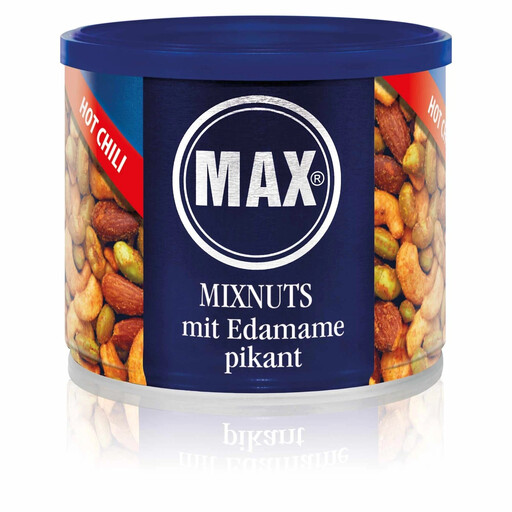 No image available
This 250 g mix is worth considering if you’d like edamame as well as nuts in your snack. Check the ingredients, salt content and allergen labelling before comparing it with a plain option.
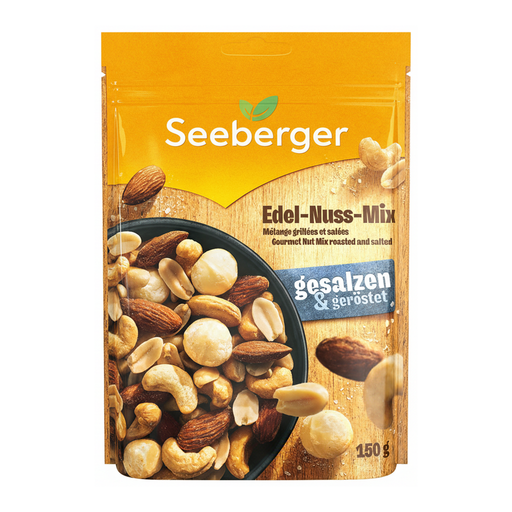 No image available
If you prefer roasted, salted nuts, you can compare this 150 g mix with unsalted products. As well as the protein content, pay particular attention to the salt information and the types of nuts it contains.
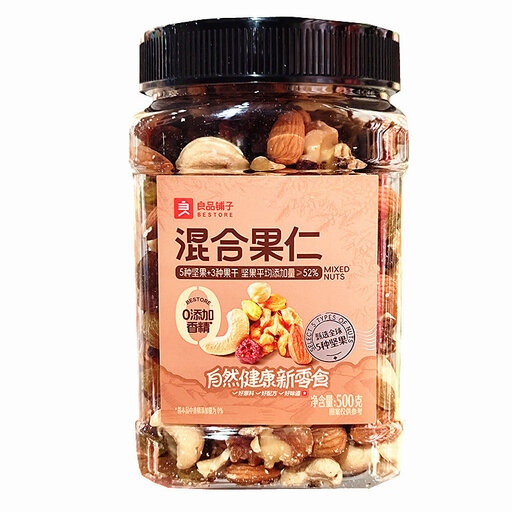 No image available
This 500 g mix is an option if you’re looking for a selection of nuts in one pack. If you’re comparing it with unsalted snacks or have allergies, check the salt, ingredients and allergen information on the pack.
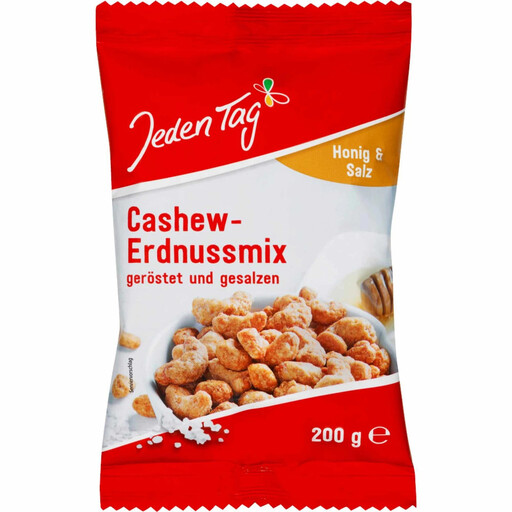 No image available
This 200 g cashew and peanut mix is for anyone looking for a sweet-and-salty option. If protein or an unsalted mix is your main priority, compare the nutritional and ingredients information with that on the other packs.
No. Botanically, peanuts are pulses. They’re still relevant as an ingredient in a protein-focused snack; compare their nutritional values with those of tree nuts using the information on the specific pack.
Yes. According to Lebensmittelklarheit, common allergens must also be listed when food is sold online. Check the ingredients and allergen information before buying, then check the actual pack when it arrives.
No. A ‘may contain traces’ warning is no substitute for checking the ingredients list or taking the precautions you need. It refers to possible accidental traces; you should check the labelling separately for peanuts, soya or tree nuts that are deliberately included.
The German Nutrition Society (DGE) generally recommends eating a small handful of nuts each day. This isn’t individual advice for a midnight snack or for training; also check the nutritional information on the pack you choose.
According to Verbraucherzentrale, shelled walnuts keep best in an airtight container in the fridge or freezer. Any walnuts with visible mould should be thrown away.