Portion-conscious shoppers
You want to include nuts as a protein-rich snack without losing sight of the energy in the amount you actually eat. The nutritional values for your portion are more useful than labels such as ‘plain’.


Nuts aren’t low-calorie snacks, but they can fit into a high-protein diet as a measured addition. Compare protein and energy for the same planned portion. For plain, roasted and seasoned varieties, also check the ingredients and the information on the specific pack.
You want to include nuts as a protein-rich snack without losing sight of the energy in the amount you actually eat. The nutritional values for your portion are more useful than labels such as ‘plain’.
You want to distinguish plain and seasoned varieties by checking the ingredients list and salt content. A short ingredients list doesn’t mean you can overlook portion size.
You check the ingredients and possible traces information on every product. This is especially important with mixes, which may contain several types of tree nuts or peanuts.
First, decide how much you want to have as a snack. Then compare the protein and energy for that amount, and check the ingredients, salt and, where relevant, allergens.
| Criteria | What to check when buying | Who it matters to |
|---|---|---|
| Protein per portion | Compare protein per 100 g and for the amount you actually plan to have as a snack. | If I eat nuts to complement my high-protein diet, I want to know what my portion contributes. For around 40% of shoppers, this protein contribution is the main consideration. |
| Energy and portion size | Check kcal per 100 g and for the same planned amount. The Federal Centre for Nutrition suggests a small handful of nuts and seeds as a guide to portion size. | When snacking, I want to decide on the amount in advance rather than eat straight from the pack. Around 40% of shoppers focus primarily on the energy in their portion. |
| Ingredients and allergens | Read the ingredients list and salt information for the variety; if you have allergies, also check for tree nuts, peanuts and trace warnings. | If I’m looking for a simple recipe or need to consider allergens, the specific pack determines my choice. Around 20% of shoppers place the greatest importance on this. |
Even plain nuts can be high in energy. For example, REWE lists 601 kcal per 100 g for its plain ja! cashew nuts. The word ‘plain’ doesn’t mean a low energy density.
Choose a variety that suits your preferences and check the pack information, but decide on your snack portion before you start eating.
A value per 100 g doesn’t automatically tell you how much protein you’ll get from a smaller snack portion. A larger portion increases both your protein intake and the energy you consume.
Always compare protein and kcal for the same amount you actually plan to eat.
The processing method and recipe affect the ingredients and salt content. REWE lists 0.01 g of salt per 100 g for plain ja! cashew nuts, compared with 0.7 g per 100 g for roasted and salted REWE Beste Wahl almonds.
Check the ingredients list and salt information for each variety rather than assuming the recipe based on the type of nut.
A tree nut listed as an ingredient is not the same as a warning about possible accidental contact. For people with allergies, both details are relevant when choosing a product.
Check the specific pack for ingredients and trace warnings. If you have an existing allergy, seek individual professional advice when choosing products.
At REWE, for example, you can compare plain cashew nuts with roasted and salted almonds by checking the information for each variety.
The unsalted, unroasted GUT&GÜNSTIG nut mix is an option if you’d prefer a selection of varieties rather than a single type of nut.
Lidl’s Alesto range includes both plain nuts and seasoned snacks.
ALDI SÜD offers plain varieties as well as salted, seasoned or coated snack options under these brands.
Seeberger offers blanched almonds, among other products, as a snack or cooking ingredient.
This selection includes peanuts, pine nuts, almonds and cashews, for measured snack portions or as ingredients. For a high-protein diet, what matters is the nutritional information on the pack you choose and the amount you actually use.
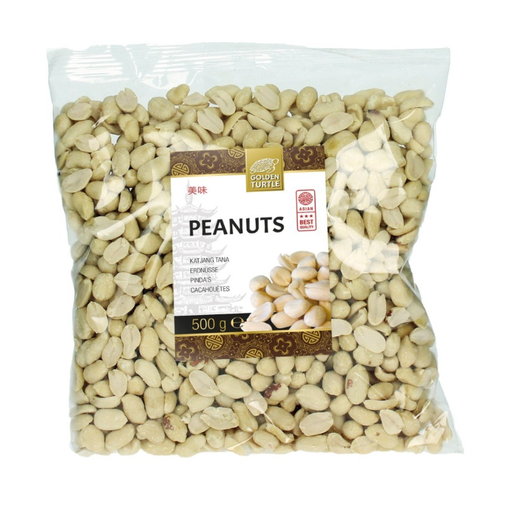 Image unavailable
For shoppers who want to include peanuts as a measured snack. Compare the protein and energy for your portion, and check the pack information if you have a peanut allergy.
 Image unavailable
For small, weighed portions of pine nuts, as a snack or ingredient. Compare the nutritional values for the amount you use, and check the specific pack if you have allergies.
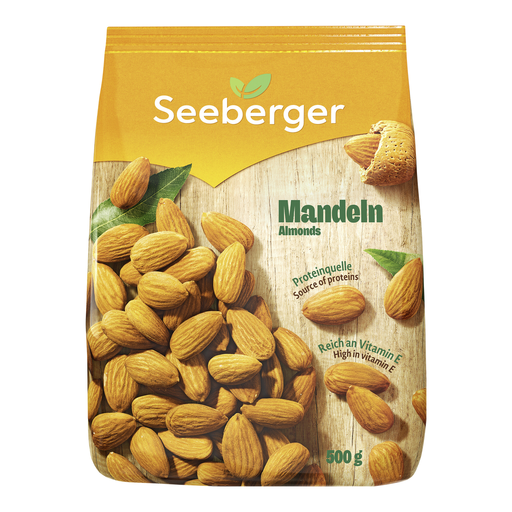 Image unavailable
For shoppers who want to enjoy whole plain almonds in measured portions. As well as protein, consider the energy in your portion and check the allergen information.
 Image unavailable
For shoppers who prefer roasted cashews with no added salt. ‘Unsalted’ doesn’t replace the need to compare energy and protein for your planned snack portion.
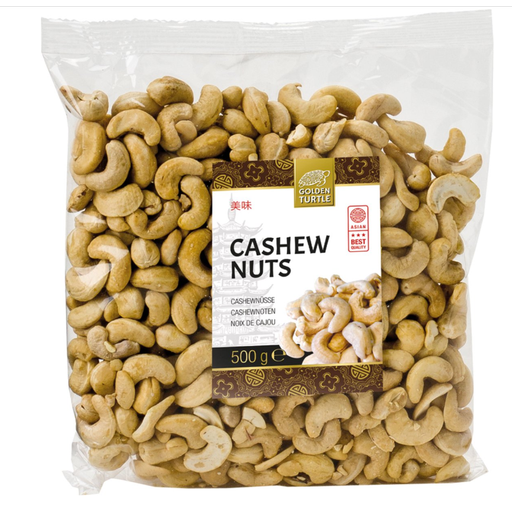 Image unavailable
For shoppers who want to portion cashews as a snack. Check the ingredients and nutritional information on the pack, and compare protein and energy for the same planned amount.
No. Nuts provide plenty of fat and energy as well as protein. REWE lists 601 kcal per 100 g for plain ja! cashew nuts, so compare the protein and energy for the portion you plan to eat.
Compare products using the same amount you plan to have as a snack. The Federal Centre for Nutrition suggests a small handful of nuts and seeds as a general guide to portion size. Calculate the nutritional values using the information on the relevant pack.
No. Neither label means you can skip checking the ingredients list and salt information for the specific variety. For example, REWE lists 0.01 g of salt per 100 g for plain ja! cashew nuts and 0.7 g per 100 g for roasted and salted REWE Beste Wahl almonds.
Check the ingredients for tree nuts and peanuts, and look for possible trace warnings on the specific pack. A trace warning relates to possible accidental contact and is not the same as an ingredient.