People who exercise and focus on protein
You want to know how much protein a snack actually provides after exercise, rather than relying on a claim on the front of the pack.


For a Christmas party with a mix of guests, classic popcorn can be a snack everyone can share. If some guests are keeping a close eye on their protein intake, you can offer a clearly labelled snack separately. Whether popcorn marketed as a source of protein suits your goals isn’t clear from the name alone: compare the nutrition information for the specific variety, and check the ingredients, allergens and preparation instructions before adding it to the buffet.
You want to know how much protein a snack actually provides after exercise, rather than relying on a claim on the front of the pack.
You’re looking for popcorn for several guests and need to keep track of the ingredients and allergen information for every variety you serve.
When comparing sweet and savoury snacks, you focus mainly on sugar, salt or fibre, without assuming that differences in these automatically mean a higher protein content.
First decide whether the popcorn is mainly for everyone to enjoy as a party snack, or whether you also want to offer a snack for guests who focus on protein. Then compare the specific packs using the same nutritional basis.
| Criteria | What to check | Who it matters to |
|---|---|---|
| Protein content | Compare protein and energy per 100 g; if you’re checking your own intake, also consider the serving size. | After exercise, I want to know how much my snack portion contributes to my protein intake. This is the top priority for around 31% of consumers. |
| Ingredients and allergens | Read the ingredients list and allergen information for each variety separately; label snacks that are offered separately. | Guests should be able to see which options are suitable for them at the buffet. Around 25% of consumers prioritise choosing based on ingredients and allergens. |
| Sugar, salt and energy | Compare sweet and savoury varieties per 100 g and for the portion you plan to serve. | When I’m choosing a snack, I want to understand the differences between the varieties before deciding. These nutritional values are the most important criteria for around 25% of consumers. |
| Preparation | Before buying, check whether you have a microwave or a saucepan with a lid, and read the preparation instructions. | When catering for several guests at once, I want to be able to prepare the snack in good time using the kitchen equipment available. This is the main consideration for around 19% of consumers. |
The amount of protein alone doesn’t tell you how much protein a portion provides, or what proportion of its total energy comes from protein. More Nutrition lists its Chunky Popcorn as containing 10 g of protein and 396 kcal per 100 g.
Compare the nutrition information for the specific variety and work out how it measures up against your usual portion. Check any nutrition claim against the information on the pack.
According to EDEKA, its listed EDEKA GUT&GÜNSTIG sweet microwave popcorn contains 16 g of sugar per 100 g. So, even though they’re in the same product category, sweet and savoury recipes shouldn’t automatically be considered nutritionally equivalent.
Compare sugar, salt and energy for the varieties you’re actually planning to serve. Don’t choose classic popcorn as a dedicated protein snack based on its protein content alone.
According to the manufacturer, funny-frisch Protein Chips Sweet & Spicy Curry Style carry a warning that they may contain milk. Other information on the pack doesn’t make this detail any less important for guests who need to avoid milk.
Check the ingredients and allergen information for each variety, and keep the packaging accessible at the buffet.
Protein Chips Sweet & Spicy Curry Style could work as a separate savoury snack, but they aren’t popcorn.
The sweet and savoury microwave popcorn are examples of classic popcorn for a buffet.
Chunky Popcorn is a speciality popcorn option to compare for protein and fibre, but it isn’t automatically the answer to a protein goal.
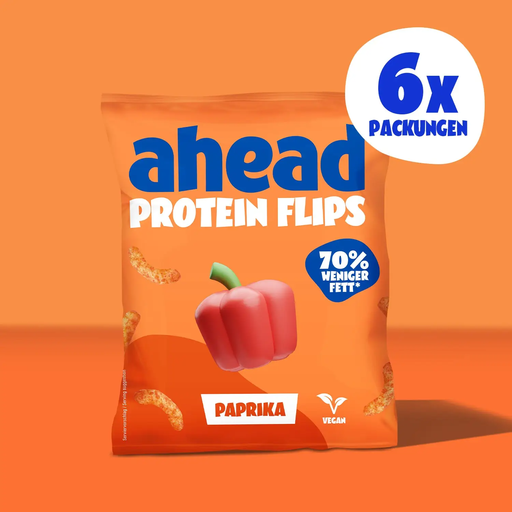
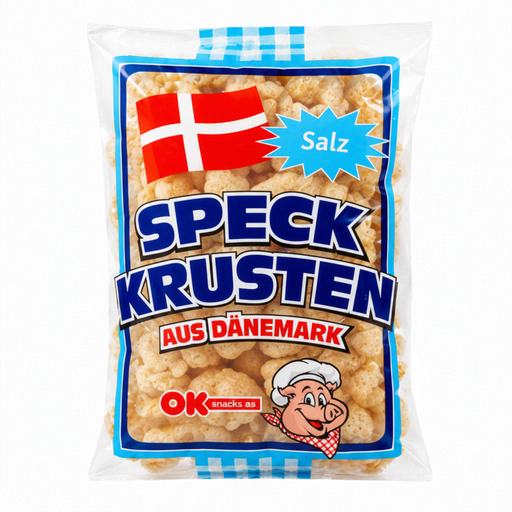
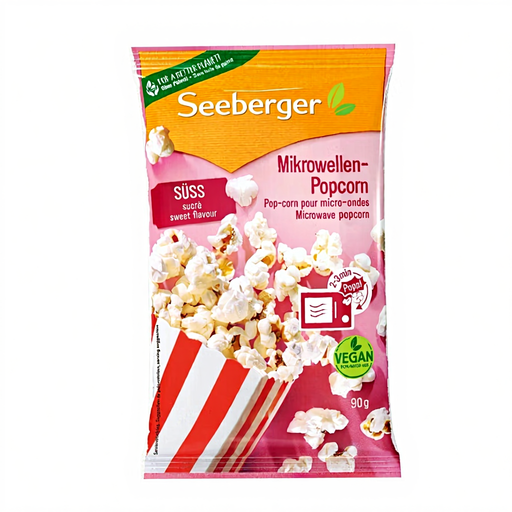
For a buffet with classic popcorn and separate savoury snacks, you could consider sweet microwave popcorn alongside two other types of snack. These separate snacks aren’t a substitute for popcorn for guests who specifically want popcorn.
 No image available
Designed as a separate snack for guests who focus on protein, not as popcorn. The tray contains six 50 g bags. Check the ingredients and allergens on the pack before serving.
 No image available
A separate pork-rind snack for the buffet, not popcorn and not a meat-free option. The pack contains 150 g. Read the ingredients and allergen information on the specific pack before serving.
 No image available
Sweet popcorn for guests who want a classic party snack rather than a dedicated protein snack. The 90 g pack is designed for microwave preparation. Check the instructions and the sugar and allergen information on the pack.
No, the name alone doesn’t tell you how much protein the popcorn provides. Compare protein and energy per 100 g, take your portion size into account and check the nutrition claim on the specific pack.
If you’re looking for a specific protein contribution, don’t choose these varieties based on their protein figures alone. EDEKA lists 7.7 g of protein and 395 kcal per 100 g for its sweet microwave popcorn, and 8.1 g of protein and 430 kcal for its savoury variety. How much you actually eat also matters.
Not necessarily. The consumer advice centre points out that extra protein isn’t necessary for many people who exercise if their regular diet meets their needs. So, think of a snack as part of your overall diet, rather than a complete solution for after your workout.
Check each variety individually and make the ingredient and allergen information accessible to guests. The Federal Ministry of Agriculture, Food and Home Affairs explains that certain ingredients that can cause allergies must be listed on packaged foods. Any additional warnings on the pack are important too.
Before buying, check that a suitable microwave is available and prepare each bag according to its own instructions. If you’d rather make popcorn in a saucepan, REWE lists popcorn kernels, oil and salt or sugar as the basic ingredients. You’ll need suitable cooking equipment for this method too.