Don’t choose a post-workout snack mix just because it claims to be high in protein. Compare the protein per 100 g and per portion you’ll actually eat, alongside energy, sugar, salt, ingredients and allergens. Nut and soya mixes can be high in protein, but the products considered here are also high in energy and fat. Bars, crisps and flips are different types of snack, with their own nutritional values and consumption guidance. The German Nutrition Society emphasises that the right protein intake depends on your sport and the intensity of your activity.
Who should consider these options?
Strength trainers keeping an eye on protein
You want to understand how much protein a snack provides after training and decide whether a mix or a portioned alternative better suits your planned meal. The German Nutrition Society considers protein intake in sport in relation to the type and intensity of activity.
People finishing longer endurance or team sessions
As well as protein, you consider how a snack fits into your wider nutritional needs after a longer or more intense session. EDEKA notes that carbohydrates are among the relevant components of post-workout nutrition.
People comparing ingredients and portions
You fancy a snack, but want to check the portion size, sugar, salt and allergens before you buy. The consumer advice centre recommends taking a particularly close look at the nutritional information on products marketed as high in protein.
What should you look for when buying?
First decide what matters most to you in a post-workout snack. Then compare the information per 100 g and work out the figures for the amount you actually plan to eat.
| Criteria |
What to check |
Who it matters to |
| Protein content |
Compare protein per 100 g and per planned portion; for bars, also check the size of each bar. |
I want to know how much protein is in the amount of snack I’ll actually eat. This protein goal comes first for around 39% of consumers. |
| Energy and carbohydrates |
After prolonged activity, check the carbohydrates and energy content too, and consider how the snack fits with your next meal. |
After a longer session, I want my snack to suit my energy and carbohydrate needs. Around 23% of consumers put this first. |
| Portion, sugar and salt |
Compare the energy, sugar and salt per 100 g with the portion size you have in mind. |
I want something to nibble without eating more than I planned, while keeping an eye on sugar and salt. This is the main reason for choosing a product for around 23% of consumers. |
| Ingredients and allergens |
Check the ingredients list, highlighted allergens and precautionary allergen information on the specific pack. |
I need to avoid certain ingredients or allergens, and a high-protein claim doesn’t help me do that. Around 15% of consumers check this first. |
Which common mistakes can you avoid?
-
Treating the protein claim as the whole story
The protein figure alone doesn’t tell you how much sugar, fat or salt a snack contains. The consumer advice centre recommends looking at the full nutritional information for high-protein products.
Compare protein and the other nutrients that matter to you per 100 g and per planned portion, rather than just looking at the front of the pack.
-
Eating a nut mix without checking the portion
REWE lists 560 kcal and 41 g of fat per 100 g for the Kluth Fit Food Protein Mix. For the EDEKA Herzstücke Trainer-Mix, EDEKA gives figures of 575 kcal and 41.1 g of fat per 100 g. The protein figure alone therefore doesn’t tell you what’s in the portion you actually eat.
Decide how much you intend to have as a snack before you start eating, and assess the nutritional values for that amount rather than those for a whole pack.
-
Assuming which allergens a snack contains
The mixes considered here may contain soya, peanuts or nuts, among other ingredients. funny-frisch describes its Protein Chips Paprika Style as vegan and gluten-free, but also warns that they may contain milk.
If you have an allergy, check the ingredients and precautionary allergen information carefully on the pack you plan to buy or eat.
-
Overlooking consumption guidance for bars
According to ALDI SÜD, the ALDI SPORTS High Protein Riegel Nougat contains polyols. ALDI SÜD recommends one bar per day and warns that excessive consumption may have a laxative effect.
Before choosing a bar instead of a snack mix, check its ingredients and consumption guidance too.
Useful brands to help you choose
The examples below show different types of snack. Nutritional values and guidance relate to the specific products named, not to a brand’s entire range.
Kluth
The Fit Food Protein Mix combines nuts and soya beans. It’s an option if you specifically want a snack mix rather than crisps or a bar.
- REWE lists 32 g of protein and 12 g of fibre per 100 g for this product.
- According to REWE, it also contains 560 kcal and 41 g of fat per 100 g, as well as soya, peanuts and nuts.
funny-frisch
Protein Chips Paprika Style are a crunchy alternative, but they aren’t a snack mix.
- funny-frisch states that they contain 21 g of protein per 100 g and describes the product as vegan and gluten-free.
- The product information lists 1.9 g of salt per 100 g and warns that the product may contain milk.
ALDI SPORTS
The High Protein Riegel Nougat is a portioned bar alternative to a loose snack mix.
- ALDI SÜD sells it in a pack of three 45 g bars and lists 36 g of protein per 100 g.
- The product contains polyols. ALDI SÜD recommends one bar per day and warns that excessive consumption may have a laxative effect.
EDEKA Herzstücke
The Trainer-Mix is a nut-based snack mix in a 150 g bag.
- EDEKA lists 20.9 g of protein per 100 g for the Trainer-Mix.
- According to EDEKA, it also contains 575 kcal, 41.1 g of fat and 9.7 g of sugar per 100 g. If you have allergies, the information on the specific pack is what matters.
Alesto
Lidl’s Alesto range includes nuts, dried fruit and party snacks, among other things. If you want to put together a snack from these products, you’ll need to assess each one individually.
- Lidl says its range includes natural nuts.
- The information for the specific product you choose is what matters for protein content, ingredients and portion size. The brand name alone doesn’t refer to a particular protein mix.
Lorenz
Snack-Hits is a classic assorted savoury snack mix, suited to when variety matters more than finding a product specifically designed to be high in protein.
- According to Lorenz, the mix combines several types of snack, including NicNac's and Saltletts.
- Lorenz lists 10 g of protein and 2.2 g of salt per 100 g for Snack-Hits. The ingredients include wheat, peanuts, milk and soya, among other things.
Snack mixes and alternatives at Joybuy
Here, a seed and kernel mix sits alongside bars and flips as other ready-to-eat snack options. First decide which type you’d actually like to eat after training. Then compare the portion size, nutritional information and ingredients on each product’s pack.
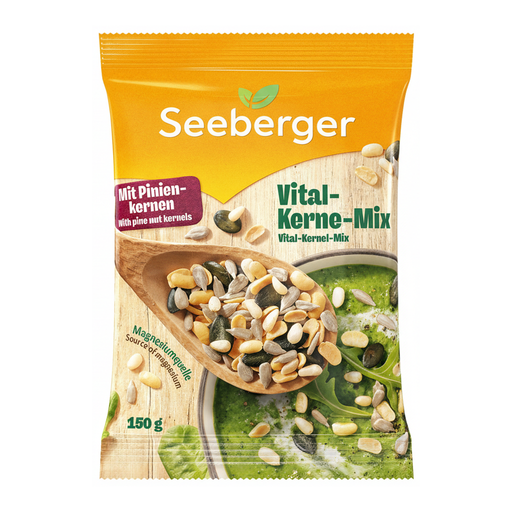 Image unavailable
Seeberger Vital Salad Seed & Kernel Mix, 150 g
An option if you’d prefer a mix of seeds and kernels after training instead of a bar. Compare the nutritional values with your planned portion, and check the ingredients and allergen information on the pack.
View at Joybuy
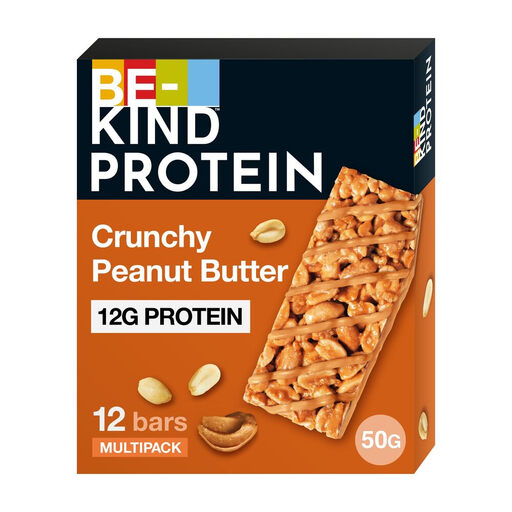 Image unavailable
BE-KIND Protein Crunchy Peanut Butter, 12 × 50 g
A bar rather than a mix, if you’d like to set your snack portion by having one 50 g bar. The nutritional values per bar matter, as do the ingredients and allergen information.
View at Joybuy
 Image unavailable
Corny Protein Crunchy Vanilla & White Choc Flavour, 12 × 45 g
Another bar option if a 45 g portion suits you as a snack. Use the information on the pack to assess the protein and other nutritional values for this portion. Check the ingredients and consumption guidance too.
View at Joybuy
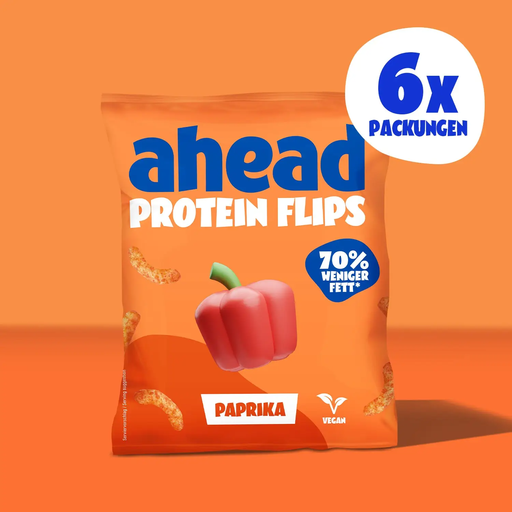 Image unavailable
ahead Protein Flips Paprika, 6 × 50 g
A crunchy alternative to a mix if you’d like to plan for one 50 g bag. When comparing it with mixes and bars, pay particular attention to the salt as well as the protein, and check the ingredients on the pack.
View at Joybuy
Frequently asked questions
Is a high-protein snack mix enough after training?
There’s no one-size-fits-all answer. The German Nutrition Society says protein intake in sport depends on the type and intensity of activity. EDEKA also highlights carbohydrates and other parts of your diet as important after training. So consider the snack as part of everything else you eat after your session.
Should I compare protein per 100 g or per portion?
Use both figures to answer different questions: the value per 100 g makes it easier to compare products, while the figure for your portion tells you how much protein you’ll get from the snack you eat. funny-frisch lists 21 g of protein per 100 g for its Protein Chips Paprika Style; a 30 g portion provides 6.3 g.
Does a high protein content automatically mean less sugar or salt?
No. A high protein figure doesn’t tell you the sugar, fat, energy or salt content. The consumer advice centre recommends checking the full nutritional information for high-protein products. Compare the same reference amount, then check the figures for your planned portion.
What should I check on a snack pack if I have allergies?
Read the ingredients, highlighted allergens and precautionary allergen information on the specific pack. A description such as ‘protein snack’ or a vegan claim doesn’t tell you whether the product contains ingredients you need to avoid. The mixes, crisps and bars considered here all have different allergen information.
What if the product page and the pack show different information?
When choosing and eating the product, check the information on the pack you actually receive. funny-frisch refers customers to the relevant packaging for ingredients. ALDI SÜD notes that the nutritional values for its High Protein Riegel may vary depending on the supplier.


