Protein-conscious snackers
You’re looking for a savoury, crunchy snack and want to know how much protein it provides in the amount you actually eat. A different recipe from traditional potato crisps may be worth considering, too.


If you’re following a high-protein diet while limiting your energy intake, choose a snack mix or crunchy alternative by comparing the protein and kcal per 100 g, as well as the amount you’ll actually eat—not just the ‘High Protein’ label. Protein crisps may contain more protein than some traditional savoury snacks, but that doesn’t automatically make them low in calories. Salt, ingredients and pack size also affect your choice.
You’re looking for a savoury, crunchy snack and want to know how much protein it provides in the amount you actually eat. A different recipe from traditional potato crisps may be worth considering, too.
You want to consider protein and energy intake together. Comparing kcal per 100 g and your planned portion gives you a clearer picture than looking at protein or fat alone.
If you have allergies or follow a particular diet, check the ingredients and allergen information on the specific pack. Snacks that look similar can contain different protein sources and other ingredients.
First, decide how much you plan to eat. Then compare protein, energy and any other information that matters to you using the same serving basis. Protein crisps, lentil cakes and traditional snack mixes are different types of product.
| What to check | How to compare | Who should pay particular attention? |
|---|---|---|
| Protein content | Compare protein per 100 g and work it out for your planned portion; check the kcal as well. | If I’m choosing a savoury snack specifically for its protein, the amount I actually eat matters. Around 31% of shoppers put protein content first. |
| Energy content | Compare kcal per 100 g and for the amount you’ll eat, rather than using a fat or protein figure to estimate the energy content. | I want to enjoy a snack without losing sight of the energy in my portion. That’s why around 31% of shoppers focus on calories. |
| Ingredients and allergens | Read the ingredients list and allergen information on the specific pack. If you follow a plant-based diet, check the other ingredients, too. | If I need to avoid certain ingredients, a high protein figure alone won’t help me choose. The right ingredients are the main concern for around 19% of shoppers. |
| Portion and salt | Choose a realistic portion size and use the salt figure per 100 g to work out how much is in that portion. | With a larger bag of snacks, I don’t want to eat more than planned without noticing, and I keep an eye on salt, too. Around 19% of shoppers put this first. |
funny-frisch says its Protein Chips contain 40% less fat than traditional potato crisps. This comparison alone doesn’t tell you how many kcal are in the flavour or portion you choose.
Compare the energy content per 100 g and work it out for your portion.
Layenberger lists 42 g of protein for its High Protein Chips Paprika, along with 439 kcal and 2.4 g of salt per 100 g. All three figures may matter, depending on what you’re looking for.
Check the protein, kcal and salt figures side by side in the nutrition table.
Nutrition information per 100 g doesn’t automatically reflect the amount you’ll eat. Lorenz lists 533 kcal per 100 g for NicNac's Original; a larger portion will provide more energy accordingly.
Decide on your portion first, then work out the figures for that amount.
Recipes vary. Lorenz lists peanuts, wheat, soya and cheese powder among the ingredients in NicNac's Original, while Layenberger’s paprika crisps contain soya protein concentrate.
If you have allergies or follow a particular diet, always check the current ingredients and allergen information on the specific pack.
High Protein Chips Paprika are an example of a savoury snack that puts protein content front and centre.
Made with lentil flour and pea protein, these Protein Chips are a crunchy alternative to traditional potato crisps.
NicNac's Original is a peanut snack for anyone who’s mainly after that flavour and crunch.
These salted tortilla chips from EDEKA’s own-label range are a useful comparison for a traditional corn crisp snack, not a snack mix.
This selection includes paprika protein flips and lentil cakes as crunchy alternatives to a traditional snack mix. If you’re limiting your energy intake, the nutrition information and your planned portion remain key to making your choice.
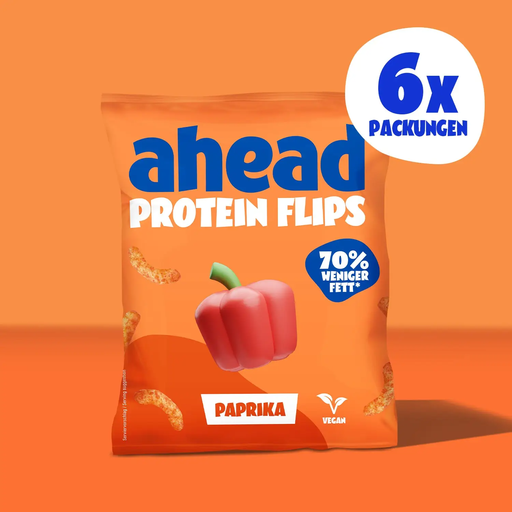 Image unavailable
An alternative to snack mix if you’re looking for a savoury snack in individual 50 g bags.
Before buying, compare the protein, kcal and salt for the amount you plan to eat.
 Image unavailable
A crunchy alternative if you’re considering lentil cakes instead of snack mix.
Check the nutrition information for your portion. If you have a soya allergy, it’s especially important to check the current allergen information on the pack.
No. A high protein content alone doesn’t tell you whether your planned portion is low in energy. For example, Layenberger lists 42 g of protein and 439 kcal per 100 g for its High Protein Chips Paprika. So compare both figures and work them out for your portion.
No. Under EU Regulation (EC) No 1924/2006, a ‘reduced energy’ claim requires the energy content to be at least 30% lower than that of a comparable product. A comparison of fat alone doesn’t prove this reduction, so check the kcal figures for the specific products.
The ingredients list and allergen information on the specific pack are what matter. Lorenz lists peanuts, wheat, soya and cheese powder for NicNac's Original; the general term ‘protein snack’ doesn’t tell you what another product contains.
Not necessarily. According to the Verbraucherzentrale, protein intake in Germany is generally good. To decide whether a specialist snack is right for you, it’s more useful to look at its protein and energy content, ingredients and your planned portion than its product name.
Compare the salt figure per 100 g and work it out for the amount you’ll eat. Layenberger lists 2.4 g of salt per 100 g for its High Protein Chips Paprika; the protein content doesn’t replace checking the nutrition table.