Commuters who train
You want to take a snack with a clear protein content for before or after your workout. What matters is the nutritional value of the portion you actually eat, not just the claim on the front of the pack.


If you’re specifically looking for a snack mix for your train journey, a mix of seeds and pulses is a better fit than crisps or crispbread. Crunchy alternatives are worth considering if their ingredients or portion size matter more to you than having a mix. Compare the protein per 100 g and per portion you plan to eat; ingredients, allergens, energy, fat and salt may influence your choice.
You want to take a snack with a clear protein content for before or after your workout. What matters is the nutritional value of the portion you actually eat, not just the claim on the front of the pack.
You’re looking for something crunchy made with plant-based ingredients, so you compare the ingredients, protein content and any precautionary allergen statements.
Before buying, you need to be able to check whether the snack contains ingredients such as peanuts, tree nuts, soya, cereals containing gluten, sesame or milk, or carries a precautionary allergen statement for any of them.
First, decide whether you want a proper mix or a crunchy alternative. Then compare the nutritional values for your portion and check the ingredients on the specific pack.
| Criterion | What to check | Who it matters most to |
|---|---|---|
| Protein content | Compare the protein per 100 g and per portion you plan to eat; check the pack weight too. | After a workout, I want to know how much protein is in the amount I’ll actually eat. For around 36% of consumers, protein content is the main consideration when choosing. |
| Portability and portion size | Check the pack size and portion information; a grab-and-go format alone tells you nothing about the nutritional values. | For my train journey, I need a pack with an amount that suits a snack between meals. Portability and portion size are the priority for around 22% of consumers. |
| Plant-based ingredients | Read the ingredients list and product information on the specific pack; check precautionary allergen statements separately. | When I’m looking for a plant-based snack, I want to be able to check what it’s made from before buying. Around 21% of consumers prioritise this. |
| Allergens and ingredients | Check the highlighted allergens and precautionary allergen statements on the current pack. | If I need to avoid certain ingredients, the information on the individual snack determines my choice. For around 21% of consumers, this check takes priority. |
A protein value per 100 g doesn’t automatically tell you how much protein you’ll get from the amount you eat on your train journey.
Check the pack weight and compare the nutritional values per 100 g with the portion you plan to eat.
Nut mixes, pulse snacks and crunchy alternatives can contain different allergens and carry different precautionary allergen statements.
Check the ingredients list, highlighted allergens and precautionary allergen statements on the exact pack you’re planning to buy.
The declared energy, fat and salt values differ between the products featured here. Protein content alone doesn’t tell you about their overall nutritional composition.
Compare these nutritional values per 100 g and for the amount you plan to eat, too.
The Fit Food Protein Mix is an example of a true mix made with soya beans and nuts.
Protein Chips Curry Style are a crunchy alternative, but not a snack mix.
The Sesame & Linseed Protein Snack is a bread-like alternative to a mix.
The Bio Protein Snack Lentil & Chickpea is a pulse-based alternative to a nut mix.
NicNac's Original is a peanut snack that Lorenz also sells in a grab-and-go bar format.
Here you’ll find a seed and kernel mix, as well as Protein Flips as a crunchy alternative for when you’re on the go. Choose according to the type of snack you want, and check the current ingredients list and nutritional values for your portion before buying.
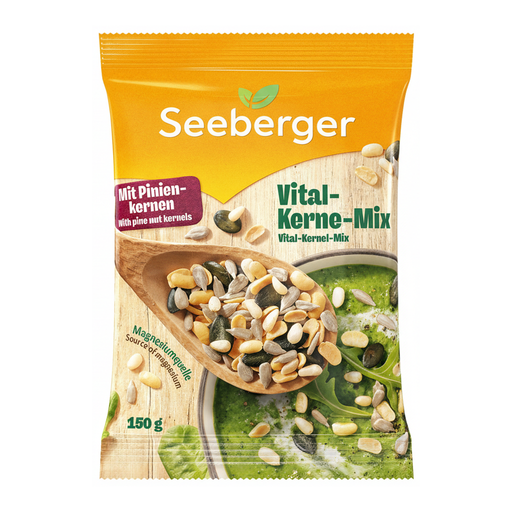 No image available
A good choice if you’re looking for a seed and kernel mix rather than crisps for your train journey.
Compare the nutritional values with the portion you plan to eat and check the allergen information on the pack.
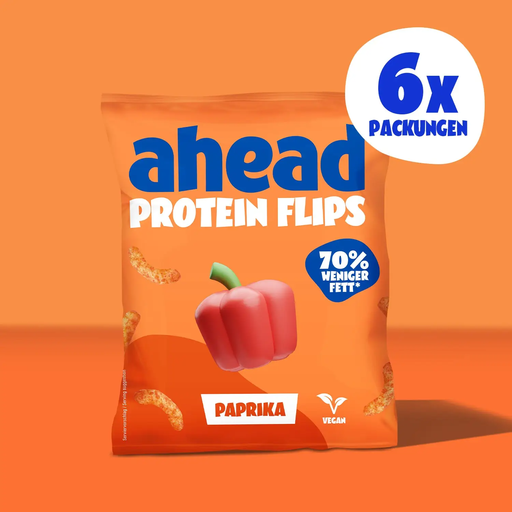 No image available
A crunchy alternative in individual bags if you don’t want a traditional snack mix.
The pack contains six 50 g bags. Check the nutritional values and ingredients for the bag you plan to take with you.
Read the nutritional values per 100 g and consider how much you actually plan to eat. For specific products, compare energy, fat, sugar and salt too; a claim on the front of the pack is no substitute for checking these details.
No. You can’t assume that an individual snack will have a particular effect on recovery. If you choose one for after your workout, consider the portion you eat and its other ingredients as part of your overall diet.
Read the ingredients list, highlighted allergens and any precautionary allergen statements on the specific pack. The Federal Ministry of Agriculture, Food and Home Affairs explains the labelling requirements for the main substances that cause allergies and intolerances; depending on the product, peanuts, tree nuts, soya, cereals containing gluten, sesame or milk may be relevant.