People with diabetes who plan their carbohydrate intake
You want to compare the carbohydrates in a snack portion with your individual plan. diabetesDE – German Diabetes Aid recommends taking carbohydrates, fat and protein into account at mealtimes.


When choosing a high-protein snack if you have diabetes, don’t look at the protein figure in isolation. The carbohydrates in the portion you’ll actually eat matter too, as do energy, fat, salt and ingredients. The crisps and peanut snacks compared here have different nutritional values; a product name such as ‘High Protein’ does not, on its own, tell you whether it suits your individual eating plan.
You want to compare the carbohydrates in a snack portion with your individual plan. diabetesDE – German Diabetes Aid recommends taking carbohydrates, fat and protein into account at mealtimes.
You’d like something crunchy after exercise or between meals, instead of a bar or shake. According to diabetesDE, high-protein products aren’t automatically sugar-free, so it’s important to check the other nutritional information too.
You want to consider energy and fat as well as protein when snacking. That means looking at the amount you’ll actually eat, not just the figures per 100 g.
Start by comparing the carbohydrates in the portion you’re planning to eat. Then check protein, energy, fat, salt and ingredients to help you weigh up the different snacks.
| Criteria | What to check | Who it matters most to |
|---|---|---|
| Carbohydrates | Carbohydrates per 100 g and in the portion you’re planning to eat; compare the stated serving size with the amount you’ll actually have. | If I plan carbohydrates for my meals, my snack needs to fit that plan too. This is a priority for around 33 % of consumers. |
| Protein | Compare protein per 100 g and in your chosen portion, and check the other nutritional information too. | After exercise or between meals, I’d like a crunchy snack with protein instead of a bar. This is a priority for around 27 % of consumers. |
| Portion and energy | Check the pack size, and the energy and fat in the amount you’re actually planning to eat. | I’d like something crunchy from time to time, while keeping an eye on the energy in my portion. Around 27 % of consumers put this first. |
| Ingredients and allergens | Check the ingredients list, highlighted allergens, precautionary allergen information and salt content on the current pack. | If I have an allergy or specific requirements around ingredients, I need to know the exact recipe. This check comes first for around 13 % of consumers. |
The protein content doesn’t tell you how many carbohydrates or how much salt a portion contains. REWE lists 23 g of carbohydrates per 100 g for Layenberger LowCarb.one High Protein Chips Paprika; funny-frisch lists 52 g per 100 g for Protein Chips Sweet & Spicy Curry Style.
Check the full nutritional information and compare the carbohydrates with the portion you’re planning to eat.
Figures per 100 g or for a stated serving don’t necessarily reflect the amount you’ll actually eat.
Check the pack weight and work out the nutritional values for the amount you’ve chosen to snack on.
Recipes vary, including in their allergens. Lorenz lists peanuts, wheat, soya and cheese powder among the ingredients in NicNac's Original; funny-frisch warns that its Protein Chips may contain traces of milk.
Check the ingredients, highlighted allergens and precautionary allergen information on the pack you’re planning to buy.
The information below relates to the specific products named, not to each brand’s entire range.
LowCarb.one High Protein Chips Paprika are a soya protein snack you can compare with other crisps for protein and carbohydrates.
Protein Chips Sweet & Spicy Curry Style are lentil-based crisps; the manufacturer labels them as vegan.
NicNac's Original is a peanut-based snack, not a protein crisp specifically formulated to be lower in carbohydrates.
ALDI SÜD offers Protein Chips in Paprika and Sour Cream & Onion flavours under this product range.
This selection features two crunchy protein snacks in flip and crisp form. When deciding what to buy, compare the nutritional information on the specific pack; the product name alone won’t tell you the carbohydrate content or whether the portion is right for you.
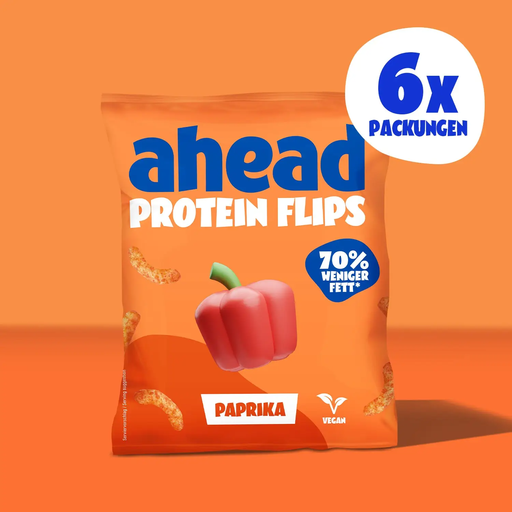 No image available
For anyone looking for a crunchy snack in individual bags. The tray contains six 50 g bags, but one bag isn’t necessarily the right portion for you. Check the carbohydrates and salt in the amount you’d like to eat.
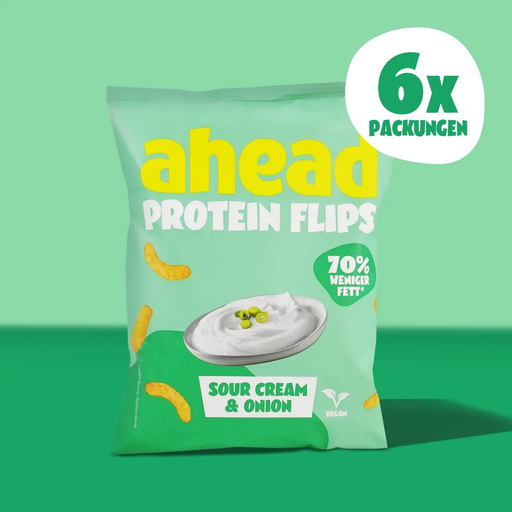 No image available
For anyone looking for a crunchy snack between meals. Before buying, compare protein, carbohydrates and salt using the information on the current pack, and check the figures against your chosen portion.
No. The protein content alone doesn’t determine whether a snack is suitable. diabetesDE – German Diabetes Aid recommends taking carbohydrates and fat into account too; compare the nutritional values for the amount you’re actually planning to eat.
If you’re planning your carbohydrate intake, start with the carbohydrates in the portion you intend to eat. Then check protein, energy, fat and salt; figures per 100 g need to be adjusted to the amount you’ll eat.
For every product, check the ingredients list, highlighted allergens and any precautionary allergen information on the current pack. The snacks compared here differ, for example, in their soya, peanut, wheat and milk ingredients.
No. Protein crisps aren’t an essential part of eating after exercise. diabetesDE also lists foods such as pulses, soya, quark and eggs as sources of protein. If you prefer a snack, compare its full nutritional information.