
Lieferung heute & morgen

Qualitätsgarantie

Willkommens-Angebote freischalten: KOSTENLOSE Lieferung | Bis zu 80 % RABATT | Kostenlose 30-Tage-JoyPlus-Testphase
App herunterladen
High-quality drinking glasses should look good, suit the drink and stand up to everyday use without demanding unnecessary care. But crystal glasses, classic water glasses, wine glasses and double-walled thermal glasses can differ considerably in their material, shape, capacity and cleaning requirements.
If you choose based on looks alone, you may overlook important details. Three common buying misconceptions are worth bearing in mind:
Clear information about the material is important for everyday use. Soda-lime glass is common in many water and wine glasses. It’s generally suitable for cold and room-temperature drinks, but isn’t necessarily heat-resistant.
Borosilicate glass is often used for double-walled thermal glasses. For the Bialetti CAPRI SET 2 GLASSES 350ML, the manufacturer specifies borosilicate glass, a double wall and suitability for hot and cold drinks. It’s also listed as dishwasher-safe and suitable for microwave use at up to 160 °C for a maximum of three minutes. Always observe limits like these.
The name alone isn’t enough to help you choose a crystal glass. The RIEDEL Fatto A Mano Black Tie Chardonnay Wine Glass is described in the product information as being made from lead-free crystal glass and mouth-blown. Its hand-crafted design is intended to be particularly lightweight, but the manufacturer advises careful hand-washing.
Choose a glass shape that suits both the drink and the occasion:
For dishwasher-safe glasses, choose a gentle glassware cycle. Make sure the glasses don’t knock against one another, and let them cool completely after the cycle before removing them. Gold rims and decorative coatings can lose their shine with frequent washing, even if they’re listed as dishwasher-safe.
A few important ground rules:
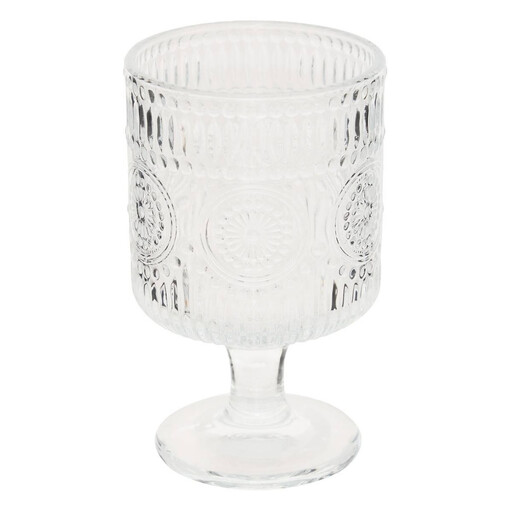
Why it suits this profile: This 210-ml tulip-shaped wine glass is suitable for red, white and rosé wine. Its compact size also makes it practical for everyday use.
The product information specifies the material, a capacity of 21 cl and a temperature range of 0 to 60 °C. This helps you avoid unrealistic expectations about heat resistance.
Tulip shape, lead-free soda-lime glass and, according to the product information, dishwasher-safe.
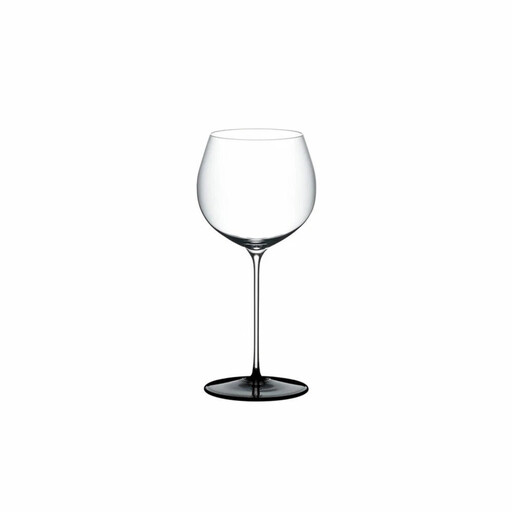
Why it suits this profile: This mouth-blown, lead-free crystal glass with a black crystal base is made for wine lovers and elegant table settings.
The product description specifically recommends hand-washing in lukewarm water and warns against twisting the stem and base in opposite directions.
660 ml capacity, a Chardonnay-specific shape and a hand-crafted finish.
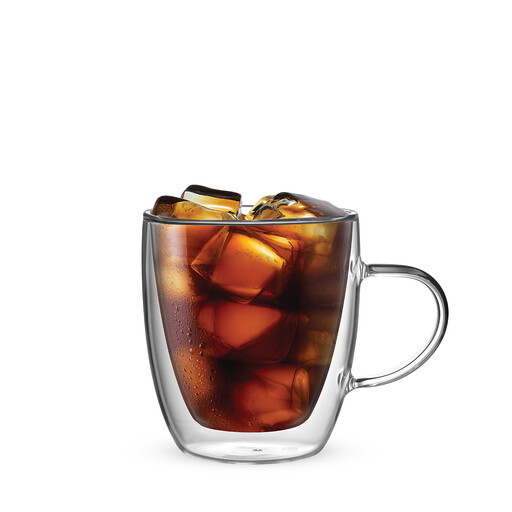
Why it suits this profile: The two 350-ml double-walled thermal glasses are suitable for coffee, tea and cold drinks at home.
The double wall is designed for hot and cold drinks. The stated microwave and dishwasher limits make it easier to use with confidence.
Borosilicate glass, a double wall and two glasses with a capacity of 350 ml each.
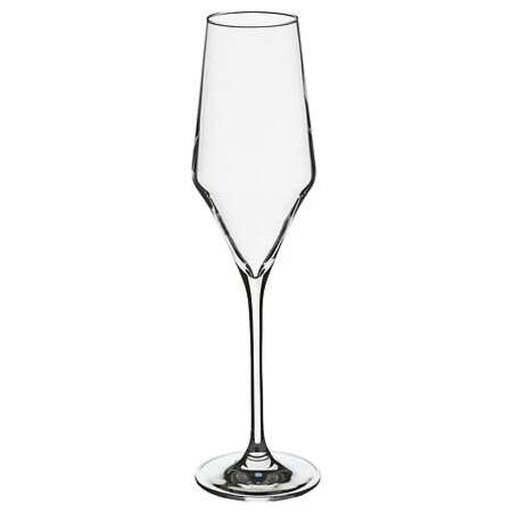
Why it suits this profile: This single, slim sparkling wine glass is a handy addition for receptions, weddings or a small private celebration.
The product information states a 220-ml capacity and dishwasher suitability, and warns against sudden temperature changes of more than 60 °C.
Crystalline glass, a slim silhouette and, according to the product information, dishwasher-safe.
We’ve put together a complete, regularly updated list of products that meet these strict selection criteria and fully comply with the safety regulations in force in the EU.
Medium-sized water glasses or dishwasher-safe glasses with clear care instructions are practical for everyday use. For wine, a versatile tulip-shaped glass is a good choice. If you want to serve hot and cold drinks, consider double-walled thermal glasses made from borosilicate glass.
It depends on the product. Some machine-made crystal glasses, including certain RIEDEL models, are described as dishwasher-safe. Mouth-blown crystal glasses and glasses with decorative coatings, on the other hand, often need to be washed by hand. Always follow the manufacturer’s instructions.
Their lifespan depends on the material, glass thickness, how they’re used and how they’re cared for. Knocks, sudden changes in temperature, abrasive cleaners and stacking glasses inside one another can all shorten it. Careful handling and a suitable dishwasher cycle can help your glasses last longer.