
Lieferung heute & morgen

Qualitätsgarantie

Willkommens-Angebote freischalten: KOSTENLOSE Lieferung | Bis zu 80 % RABATT | Kostenlose 30-Tage-JoyPlus-Testphase
App herunterladen
High-quality glasses should do more than simply look good. They need to suit the drink, how often they are used, the storage space available and your own cleaning habits. A large red wine glass can be ideal for Pinot Noir, but takes up more room in the kitchen cupboard than a compact all-rounder. Double-walled glasses insulate drinks, but require different handling from standard drinking glasses.
Descriptions such as “crystal clear”, “professional” or “particularly robust” do not, by themselves, explain what the glass is made of or how it should be cared for. Crystal glass, ordinary soda-lime glass and borosilicate glass have different properties. That is why specific information about the material, capacity, manufacturing method and cleaning is important.
A glass with a large capacity is not automatically suitable for every type of wine. Pinot Noir glasses often have a generous bowl, while Cabernet or Merlot glasses are designed for fuller-bodied red wines. For sparkling wine, you can choose between Champagne glasses, sparkling wine glasses and Prosecco glasses: a narrow flute keeps the bubbles visually concentrated for longer, while a wider bowl provides more room for aromas.
Dishwasher-safe does not mean that every programme and every way of loading the machine is equally suitable. Delicate stems can knock against one another, while high temperatures or harsh detergents can damage the surface over time. With delicate glasses, ensure sufficient spacing, choose a gentle programme and follow the manufacturer's care instructions.
For everyday use, a combination of sturdy construction and clear care instructions is more important than a decorative description. Crystal glasses can offer an elegant appearance thanks to their clarity and thin walls, but they need to be handled carefully. Minor variations are possible with handmade glasses and do not necessarily indicate a defect.
For hot drinks, double-walled thermal glasses made from borosilicate glass are worth considering. The layer of air between the walls reduces direct heat transfer. However, sudden changes in temperature should still be avoided. A glass taken from the freezer should not be filled immediately with boiling-hot liquid.
Capacity is often stated up to the rim. Wine glasses are normally only partially filled so that the aromas can develop. An 830-ml Pinot Noir glass is therefore not intended for serving 830 ml. For espresso, by contrast, 7 to 8 cl is sufficient, while whisky glasses with a capacity of around 30 cl provide more room for ice or whisky stones.
You should also check the height and diameter. Tall wine glasses need to fit safely in the dishwasher and must not touch the spray arm. In small kitchens, a glass set containing two or four pieces may be more practical than a large collection.
If you use glasses frequently, look specifically for dishwasher-safe glasses. Stemmed glasses are still more delicate than thick-walled tumblers. Lids for storage jars are often not dishwasher-safe, even when the glass body itself can go in the machine.
Follow these three simple cleaning rules:
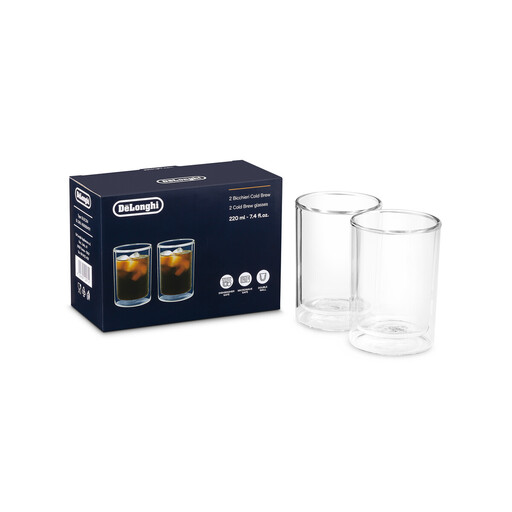
Why this product suits this profile: The set contains two glasses, each with a capacity of up to 220 ml, and is designed for cold coffee drinks such as cold brew. The manageable set size is ideal for households that want to add to their collection gradually and selectively.
The clearly stated capacity and intended use help prevent you from buying an oversized universal glass for small portions of iced coffee.
Two glasses, a capacity of 220 ml per glass and, according to the product information, dishwasher-safe.
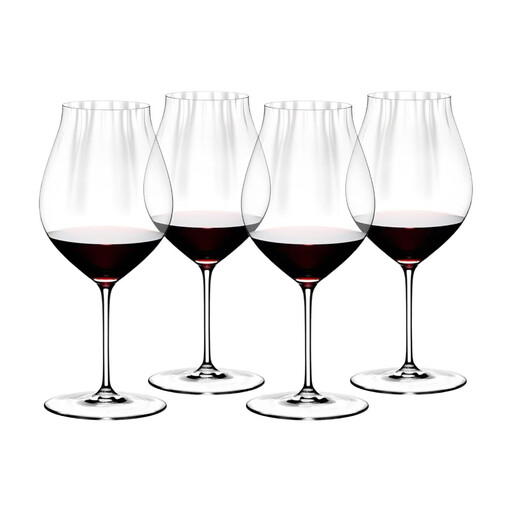
Why this product suits this profile: The large bowl, tulip shape and optical effect appeal to wine lovers who want to serve Pinot Noir and other similarly aromatic red wines with precision.
The clear association with Pinot Noir makes its intended use easy to understand. Before buying, simply check whether the height and 830-ml bowl will fit in your existing cupboard.
Clear crystal glass, 830 ml capacity, set of 4 and, according to the product information, dishwasher-safe.
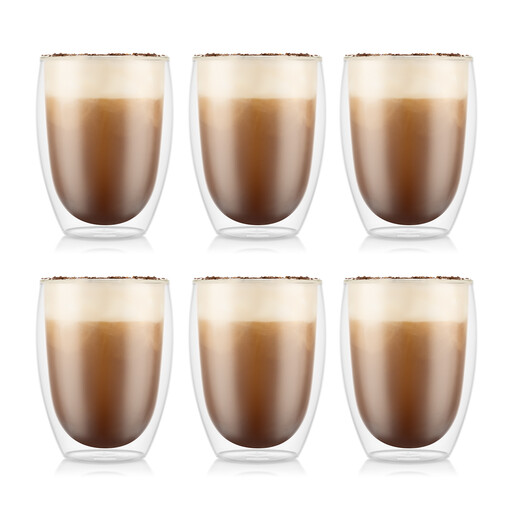
Why this product suits this profile: The set of 6 with a 350 ml capacity is designed for households that regularly serve several drinks and prefer double-walled thermal glasses for a range of everyday occasions.
The set size suits a typical multi-person household and reduces the need to combine individual glasses in different shapes.
Six double-walled glasses with a 350 ml capacity; the design is suitable for both hot and cold drinks.
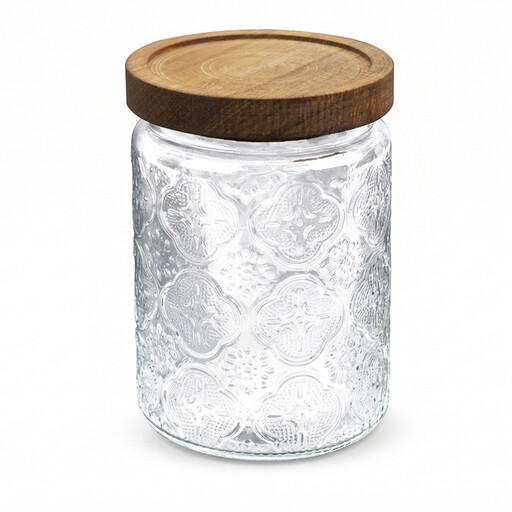
Why this product suits this profile: The 1,000-ml jar is suitable for dry foods such as coffee, tea, pasta, flour or biscuits, combining visible storage with decorative design.
The product information clearly states the material, capacity and lid type. The lid should be cleaned by hand and dried completely before the jar is sealed airtight.
1,000 ml capacity, clear glass and an airtight lid for storing dry food.
We have put together a complete, regularly updated list of products that fully meet these strict selection criteria and the safety regulations applicable in the EU.
No. This feature must be expressly stated in the product information. Even with dishwasher-safe glasses, a gentle programme, sufficient spacing and avoiding harsh detergents are advisable. Lids made from wood, stainless steel or other materials may have their own care instructions.
For everyday use, robust drinking glasses, double-walled thermal glasses or clearly labelled dishwasher-safe glasses are practical choices. For wine, choose a shape that suits the drink you serve most often. A large specialist glass only makes sense if the corresponding type of wine is served regularly.
It is not possible to give a reliable fixed lifespan. It depends on the material, wall thickness, frequency of use, cleaning and storage. Cracks, chips and sharp edges are safety reasons to stop using a glass. Even glasses that look clear and undamaged should be checked regularly for these problems.