
Lieferung heute & morgen

Qualitätsgarantie

Willkommens-Angebote freischalten: KOSTENLOSE Lieferung | Bis zu 80 % RABATT | Kostenlose 30-Tage-JoyPlus-Testphase
App herunterladen
If you want to buy high-quality wine glasses, you’ll find a wide choice of shapes, materials and sets. However, a high price alone tells you little about whether a glass is right for your needs. The grape variety, capacity, shape and care requirements are what matter.
Wine lovers and hosts often come across three common buying misconceptions:
Start by checking the material information and the manufacturer’s guidance. Crystal wine glasses are often chosen for their clarity, brilliance and comparatively fine profile. Riedel offers both machine-made crystal glassware and hand-crafted models.
However, the name alone isn’t a reliable measure of quality. Check the following too:
Soda-lime glass can be a good choice for everyday use if you’re looking for a sturdy, fuss-free option. For special occasions, you might prefer thin-walled or hand-crafted wine glasses, which usually require more care.
The shape affects how much room there is to swirl the wine and allow its aromas to develop. This doesn’t mean the glass automatically changes the wine. It simply creates different conditions for serving and enjoying it.
Also check the maximum capacity. A 700 ml glass isn’t filled to the brim. In practice, there’s enough room left to swirl the wine.
When buying wine glasses in a set, choose a size that suits your household and the occasions you usually host. Two glasses may be enough for a two-person household. Sets of four are often more practical if you entertain.
Follow the manufacturer’s care instructions. Arrange dishwasher-safe wine glasses so they don’t knock against plates, cutlery or other glasses. For delicate or hand-crafted wine glasses, choose a gentle cycle and leave plenty of space between them. Avoid exposing standard glass and crystal glass to very sudden changes in temperature.
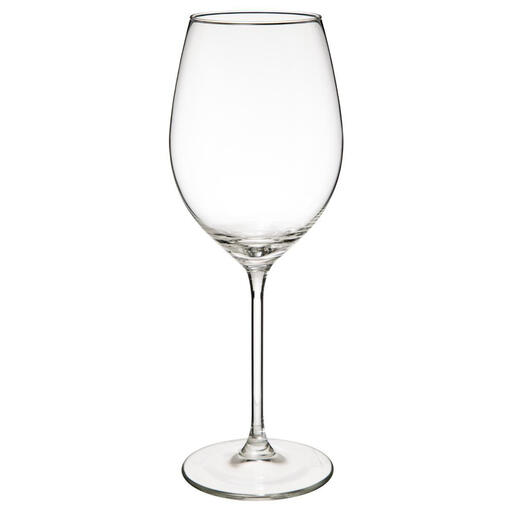
Why it suits this need: The 41 cl glass is suitable for red, white and rosé wine, making it a versatile staple for the home.
Its moderate size avoids the need for an unnecessarily large specialist glass, while its stated dishwasher suitability makes everyday cleaning easier.
410 ml capacity, soda-lime glass, 22.1 cm height and dishwasher-safe.
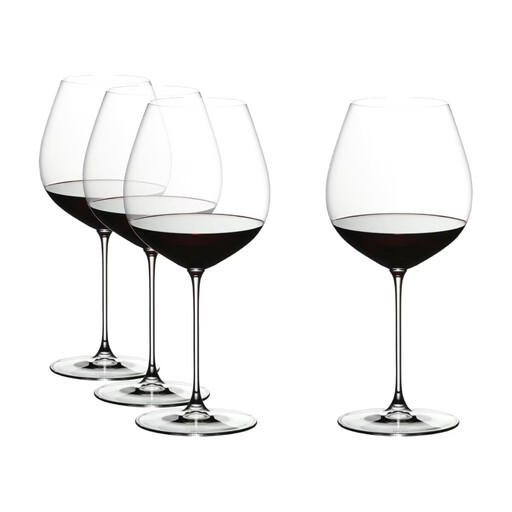
Why it suits this need: This set of four crystal glasses is ideal for wine lovers who want to serve Pinot Noir and similar wines in a glass designed for the grape variety.
The product description specifies the material, set size, height and capacity, rather than relying on a vague “premium” label.
Four glasses, approximately 738 ml per glass, 23.5 cm high and listed as dishwasher-safe.
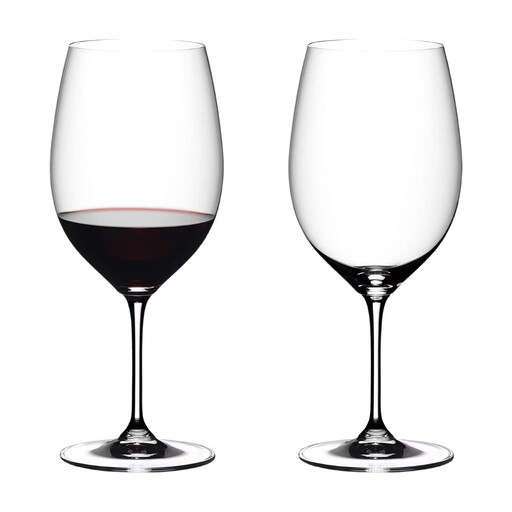
Why it suits this need: This set of two is designed for full-bodied reds and is well suited to regular tastings or smaller gatherings.
Its specific recommendation for Cabernet Sauvignon, Merlot and Bordeaux blends helps you avoid choosing a generic all-purpose glass for a particular use.
650 ml capacity, machine-made in Germany, set of two and dishwasher-safe.
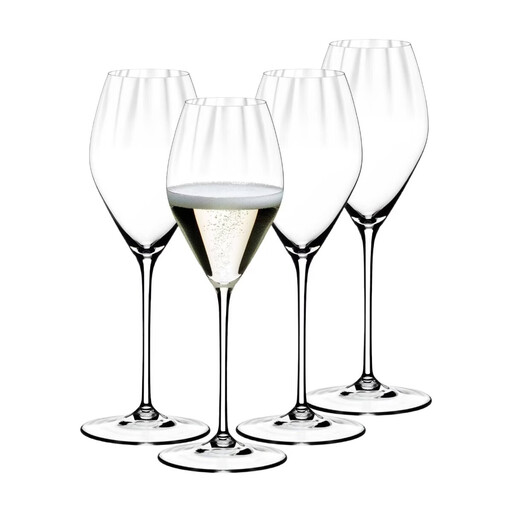
Why it suits this need: This set of four is designed for Champagne, sparkling wine and other fizz, making it a great choice for dinner parties and special occasions.
The product details specifically mention the bowl shape, the so-called Sparkling Point, the material and dishwasher suitability.
375 ml capacity, four crystal glasses, 24.5 cm high and machine-made.
We’ve put together a complete, regularly updated list of products that meet these strict selection criteria and fully comply with the safety regulations in force in the EU.
Even high-quality wine glasses need to be handled with care:
Larger red wine glasses with plenty of room for swirling are suitable for full-bodied reds. Smaller bowls are often more practical for fresh white wines, as the serving size stays manageable. If you’re looking to buy just one versatile set, choose a medium-sized glass with a capacity of around 400 ml.
Yes, as long as you follow the manufacturer’s instructions. Dishwasher-safe doesn’t mean that damage or clouding is impossible. A gentle cycle, enough space between glasses and mild detergents can help keep the glass clear for longer.
It depends on how you plan to use them. Hand-crafted wine glasses can appeal thanks to their individual details and distinctive design. For everyday use, machine-made models with clear care instructions and a suitable set size are often more convenient.