Checking fibre content
You’re looking specifically for a high-fibre muesli for weekdays, so you compare the nutrition information rather than relying on the product name alone.


If you’re looking for a high-fibre muesli for weekday breakfasts, start by checking the fibre content on the pack. Under EU Regulation (EC) No 1924/2006, a food can be described as ‘high in fibre’ if it contains at least 6 g per 100 g or 3 g per 100 kcal. Then compare the sugar, ingredients and allergens to find a blend that suits your breakfast. Oat or millet flakes can be an alternative you mix yourself, but they aren’t a ready-made muesli.
You’re looking specifically for a high-fibre muesli for weekdays, so you compare the nutrition information rather than relying on the product name alone.
You like a crunchy blend, but also want to check the sugar per 100 g and the ingredients list. ‘Less sugar’ on its own doesn’t answer those questions.
You want to take protein content or a particular recipe into account, so you also check the specific variety for soya, cereals containing gluten, nuts and precautionary allergen information.
For a ready-made muesli, start by checking the fibre content, then compare the other details that matter for your usual breakfast. If you’re using individual flakes as a base, you’ll also be putting the mix together yourself.
| What to check | What to look for | Who it matters most to |
|---|---|---|
| Fibre content | If you’re looking for a product that’s high in fibre, check the nutrition information for at least 6 g of fibre per 100 g or 3 g per 100 kcal. | I want to be able to tell in the morning whether a particular blend meets the threshold for this claim. This is the main consideration for around 33% of consumers. |
| Sugar and recipe | Compare the sugar per 100 g and read the ingredients list, especially for crunchy and fruit mueslis. | For my everyday crunchy muesli, I want to know how sweet it is and what it contains. Around 27% of consumers prioritise this. |
| Allergens and dietary requirements | Check the ingredients, allergen information and precautionary allergen statements on the current pack. | If I need to avoid certain ingredients or follow a particular diet, the exact variety matters more than the brand name. This is the top priority for around 20% of consumers. |
| Breakfast base and protein | Compare the protein per 100 g and decide whether you want a ready-made blend or flakes to combine yourself. | I want to know whether the muesli will work with the milk, yoghurt or plant-based alternative I usually have for breakfast. Around 20% of consumers prioritise this combination. |
These claims have different requirements. Under EU Regulation (EC) No 1924/2006, a food described as ‘high in fibre’ must contain at least 6 g of fibre per 100 g or 3 g per 100 kcal.
Check the exact fibre content and the stated basis on the current pack.
A sugar claim is no substitute for comparing fibre or checking the ingredients list. Crunchy muesli labelled as having less sugar may still contain sugar, syrup or oil.
Compare the sugar and fibre per 100 g, and check what the particular variety uses for sweetness or crunch.
Depending on the variety, the recipes covered here include ingredients such as cereals containing gluten, soya, almonds or sesame. There may also be precautionary allergen statements. A vegan recipe does not necessarily mean it’s free from gluten or nuts.
Check the ingredients and allergen information on the pack of the exact variety, even when buying it again.
A stated fibre content describes the product, but doesn’t guarantee how an individual portion will affect you. The amount you eat and the other parts of your breakfast matter too.
Take portion size and your usual additions into account, rather than judging your whole breakfast by the name of the muesli alone.
Kölln offers a range that includes oat and crunchy mueslis. The nutrition information varies between varieties.
Seitenbacher makes muesli blends with a variety of cereal, fruit, nut and seed ingredients.
Alnatura offers organic mueslis and granolas in a range of recipes, including a protein muesli and a crunchy seed blend.
REWE Bio 5-Korn-Müsli is a multigrain blend that you can customise with your own ingredients.
Brüggen describes making muesli for retailer own-label ranges, including traditional and crunchy recipes.
This selection includes ready-made muesli blends as well as oat and millet flakes for putting together your own breakfast. Check the current nutrition information and ingredients on the pack for each variety. Flakes on their own aren’t a ready-made muesli.
 No image available
An option if you’d rather have a ready-made crunchy muesli than individual flakes for weekday breakfasts. Compare the fibre and sugar per 100 g on the pack, and check the ingredients if you need to avoid particular cereals or other allergens.
 No image available
This ready-made crunchy muesli is a convenient choice if you’re looking for an easy blend. Consider the ‘Less Sweet’ claim alongside the sugar per 100 g, and read the ingredients and allergen information on the current pack.
 No image available
A fruit muesli for anyone looking for a ready-made blend with fruit. The product name doesn’t replace checking the sugar and fibre per 100 g: ‘no added sugar’ doesn’t mean the muesli contains no sugar.
 No image available
Oats make a good base if you want to combine the ingredients for your weekday breakfast yourself. They aren’t a ready-made muesli; if needed, check the pack for information about oats and possible traces.
 No image available
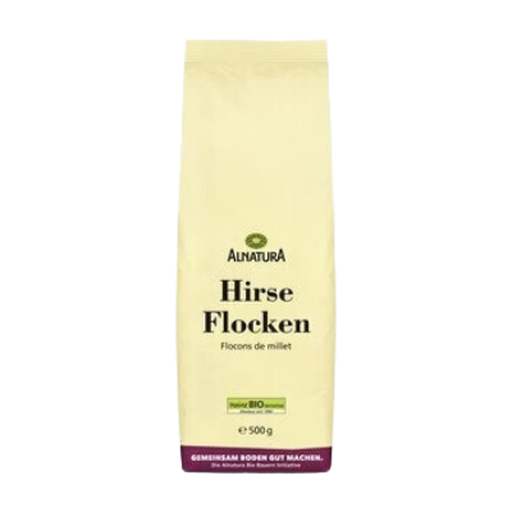
Millet flakes are an option if you want to put together your own breakfast blend. As with other flakes, they aren’t a ready-made muesli. If you have dietary restrictions, read the precautionary allergen information on the current pack.
Under EU Regulation (EC) No 1924/2006, a food must contain at least 6 g of fibre per 100 g or 3 g per 100 kcal to make this claim. Check the amount and the stated basis on the current pack of the specific muesli.
You can’t tell from the product description alone. The German Nutrition Society (DGE) recommends that adults consume at least 30 g of fibre a day. How much your muesli contributes depends on its fibre content per 100 g and the portion you actually eat.
Check the ingredients and allergen information on the specific pack; the brand or muesli category alone isn’t enough. The product examples mentioned here vary in their use of cereals containing gluten, soya, almonds and sesame, as well as in possible traces of other allergens.
Follow the storage instructions on the relevant pack. Kölln recommends storing the crunchy muesli mentioned above in a dry place away from heat. Alnatura also advises keeping its protein muesli away from light.