
Lieferung heute & morgen

Qualitätsgarantie

Willkommens-Angebote freischalten: KOSTENLOSE Lieferung | Bis zu 80 % RABATT | Kostenlose 30-Tage-JoyPlus-Testphase
App herunterladen
A well-chosen highlighter can give the face a fresh radiance and subtle definition. But with the vast selection of products available, finding the right one isn't always easy. Anyone looking to buy a highlighter is often faced with a shelf full of different textures, finishes, and shades. This frequently results in bad purchases: products that have an unnatural glitter, emphasize skin texture, or simply don't match one's skin tone.
This guide will help you identify the most common pitfalls and make an informed decision. We focus on the objective criteria that truly matter, so you can find a product that meets your vision of a perfect glowy makeup look.
Before we dive into product details, it's helpful to understand the typical issues that can lead to dissatisfaction.
To avoid these mistakes, you should check three central aspects before buying. These will help you evaluate product features objectively.
Texture is crucial for the application experience and the final result. Each form has specific properties that make it more suitable for certain skin types and preferences.
The finish describes the type of glow a product creates. The choice depends on your desired look.
A look at the ingredients can also be insightful. The "Clean Beauty" trend has led to more and more brands avoiding potentially irritating ingredients.
Here are some product recommendations tailored to different needs and application styles.
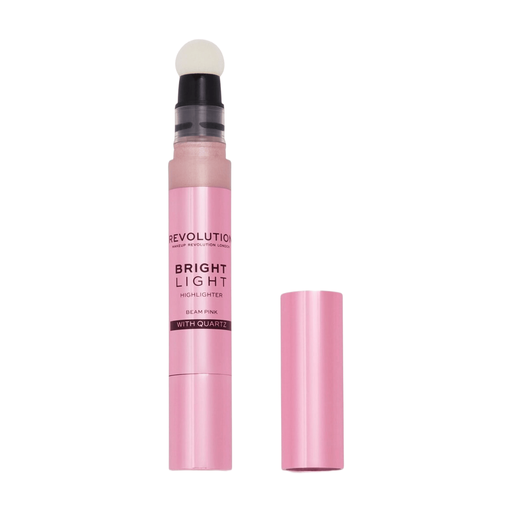
Why This Fits Their Persona: Ideal for anyone looking for a fuss-free solution. The integrated sponge applicator makes application and blending very simple, with no extra tools required. The creamy texture is forgiving and allows for a quick, even result.
The liquid-cream formula contains fine shimmer particles instead of coarse glitter (avoids Trap 1). The applicator allows for controlled application, minimising the risk of a patchy or greasy look (avoids Trap 2).
Integrated applicator for easy handling. According to the manufacturer, the formula with quartz provides a natural, luminous shimmer. Vegan formula.
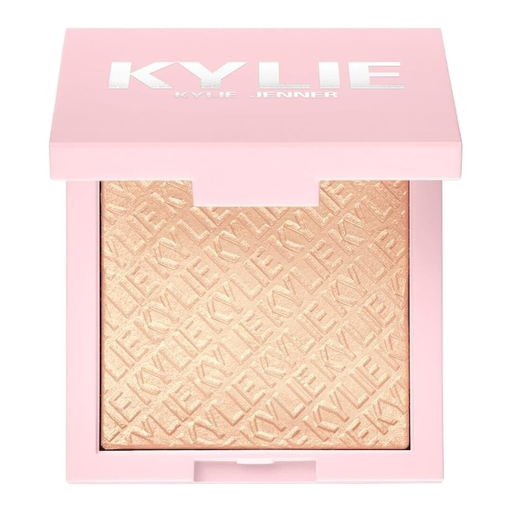
Why This Fits Their Persona: For users seeking an intense yet elegant powder highlighter. This product is known for its high pigmentation and is aimed at those who want to achieve a visible but refined glow effect.
The talc-free gel-to-powder technology provides a smooth texture that doesn't look powdery on the skin or emphasize texture (avoids Traps 1 & 2). The shade is a warm champagne gold that suits many skin tones and prevents an ashy finish (avoids Trap 3).
Intense, pearlescent glow. The formula is vegan, gluten-free, and paraben-free, according to the manufacturer. The buildable coverage allows for both subtle and intense looks.
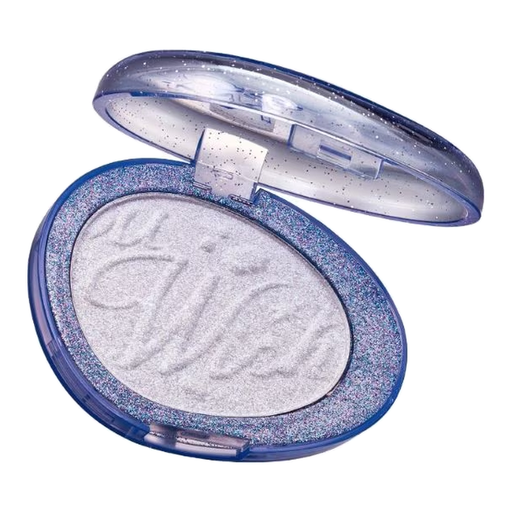
Why This Fits Their Persona: Perfect for experimental users inspired by the versatile looks of the Korean highlighter trend. The wide range of shades, from classic to colourful, allows for individual and creative makeup looks.
The soft, paste-like texture adheres well to the skin and avoids a powdery finish (avoids Trap 2). The wide selection of shades ensures there is a suitable, non-ashy option for every skin tone (avoids Trap 3).
A wide variety of shades and finishes (from shimmer to glitter). According to the manufacturer, the texture can be applied effortlessly with fingers, a sponge, or a brush.
We've compiled a complete, up-to-date list of products that fully meet these strict selection criteria.
1. How do I apply highlighter without it looking patchy? The right technique is key to an even result. Always start with a small amount of product. For a powder highlighter, it's best to use a fan brush or a small, fluffy brush. Gently apply the product to the high points of your face: cheekbones, bridge of the nose, brow bone, and Cupid's bow. For a liquid or stick highlighter, you can tap the product in with your fingertips or a damp makeup sponge. It's important to blend the edges well to avoid harsh lines.
2. Can I use highlighter on oily skin? Yes, you don't have to skip highlighter even if you have oily skin. A powder highlighter is often the better choice here, as it won't add extra shine. Apply the highlighter strategically and avoid areas that tend to get shiny, like the forehead or chin. A mattifying primer can also help control oil production throughout the day.
3. What is the difference between a highlighter and a luminizer? The terms are often used interchangeably, but there is a subtle difference. A highlighter is typically more pigmented and is used to strategically accentuate specific areas of the face and reflect light. A luminizer often has a more subtle, sheer texture and is intended to give the entire complexion a soft, all-over glow. For example, it can be mixed with a moisturiser or foundation to achieve a general glowy makeup effect.