
Lieferung heute & morgen

Qualitätsgarantie

Willkommens-Angebote freischalten: KOSTENLOSE Lieferung | Bis zu 80 % RABATT | Kostenlose 30-Tage-JoyPlus-Testphase
App herunterladen
The term "highlighter" has a dual meaning in everyday life. It refers to both the essential highlighter pen for studying and office work, as well as the cosmetic product that gives the face a radiant glow. Although their function—to highlight—is identical, the requirements for each are fundamentally different. Making the wrong choice in either category is frustrating and often leads to products going unused.
Many buyers rely on marketing promises, only to discover later that their new highlighter pen smears the ink on a printout, or their makeup highlighter has an unnatural, glittery finish. This guide breaks down the crucial features you should check before buying to make an informed decision—whether it's for paper or your face.
Before we dive into the technical details, let's look at two common problems that lead to disappointment:
To avoid these issues, you should focus on objective product features. The following parameters are crucial for functionality.
For highlighting documents, books, and notes, three aspects are of key importance:
With cosmetic products, the goal is to find the right formula and finish for your skin type and desired look.
Here are some selected products tailored to specific needs and use cases.
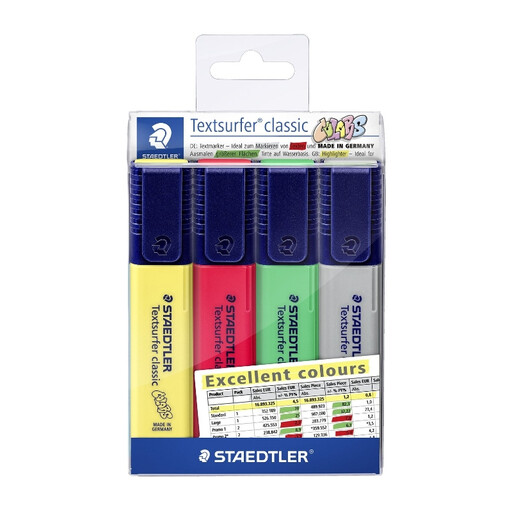
Why this product is a good fit: This set is designed for reliability and functionality. It is ideal for anyone who regularly works with printed texts and needs a clean, professional result.
The fast-drying ink is suitable for paper, fax, and carbon copies, and it prevents smearing on printouts, directly addressing the most common pitfall of highlighter pens.
Large ink reservoir for a long lifespan; Airplane-safe system prevents leaking on flights; Chisel tip for line widths of 1-5 mm.
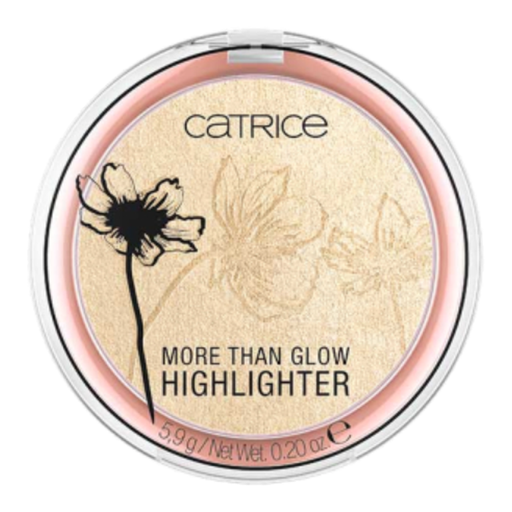
Why this product is a good fit: Ideal for makeup beginners or fans of a subtle look. This powder highlighter is known for its excellent value and its ability to create a natural shimmer.
The silky texture of the baked powder contains very fine pigments. This avoids the "disco ball effect" and ensures that pores or skin texture are not unflatteringly emphasised.
Vegan formula; the texture blends easily and melts into the skin; shade 010 is a universally flattering platinum tone.
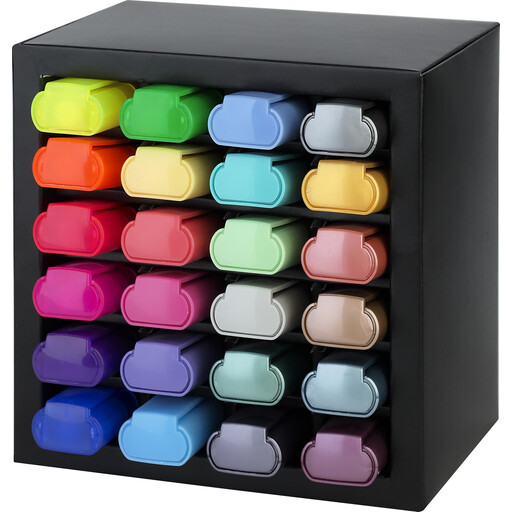
Why this product is a good fit: This comprehensive Highlighter Set is perfect for anyone who works visually, whether for bullet journaling, creating flashcards, or other creative projects. The wide variety of colours offers maximum creative freedom.
The water-based ink is suitable for most types of paper and minimises bleed-through. The chisel tip allows for precise work, from fine details to broad highlighting.
24 colours including Neon, Pastel and Metallic; Chisel tip for 3 line widths (1, 2, 5 mm); Comes in a practical desk organiser.
We have compiled a complete, up-to-date list of products that fully meet these strict selection criteria.
1. How do I prevent highlighters from smearing on printouts? Let the printout dry completely before highlighting. This can take a few minutes depending on the printer and paper. Specifically use highlighters labelled "Inkjet Safe," as their ink is formulated not to dissolve the printer ink.
2. Powder or stick highlighter: Which is better for beginners? A highlighter stick is often easier for beginners. It can be applied directly to the skin and blended with your fingers, making for a very intuitive and quick application. A highlighter powder offers more control over the intensity but requires a brush and a bit more practice to blend seamlessly.
3. How do I find the right highlighter shade for my skin? A simple rule of thumb is to look at your jewellery: If silver looks better on you, you likely have a cool skin undertone (suitable shades: pearl, cool pink, champagne). If gold looks better, you have a warm undertone (suitable shades: gold, peach, bronze). When in doubt, a champagne shade is often a safe bet as it flatters many skin tones.