
Lieferung heute & morgen

Qualitätsgarantie

Willkommens-Angebote freischalten: KOSTENLOSE Lieferung | Bis zu 80 % RABATT | Kostenlose 30-Tage-JoyPlus-Testphase
App herunterladen
A radiant complexion that looks lit-from-within—that's the goal for many makeup users. A Highlighter Stick promises just that: effortless application and a fresh finish. But the market is flooded with products that over-promise and under-deliver. Instead of a natural sheen, many leave behind nothing but chunky glitter particles or a patchy texture. This guide will show you what to look for to avoid disappointing purchases and find a product that truly suits you.
Before we dive into the selection criteria, let's look at the typical problems that often lead to disappointment:
To avoid these pitfalls, you should check three key features before buying. These will help you separate the wheat from the chaff and choose a product that delivers a professional result.
The texture is crucial for the final result and ease of application. The most common formats are:
A high-quality highlighter is characterised by micro-fine shimmer particles. These are barely visible to the naked eye as individual particles and reflect light in a subtle way.
Modern products can often do more than just highlight. Look for formulations that fit your lifestyle:
Based on the criteria above, we have put together a few products for different needs and preferences.
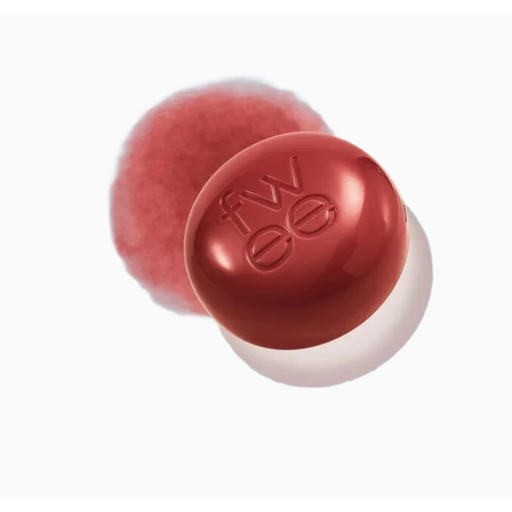
Why it's a match: Ideal for anyone who appreciates innovative textures and multifunctional products from the K-Beauty scene. The unique pudding texture can be used on both cheeks and lips for a harmonious look.
The "blurry" pudding texture melts seamlessly into the skin, creating a soft-focus, natural shimmer instead of coarse glitter. The finish is subtle and never looks overdone.
A 2-in-1 product for lips and cheeks that saves space and time. The buildable formula allows for both a subtle and a more intense colour payoff.
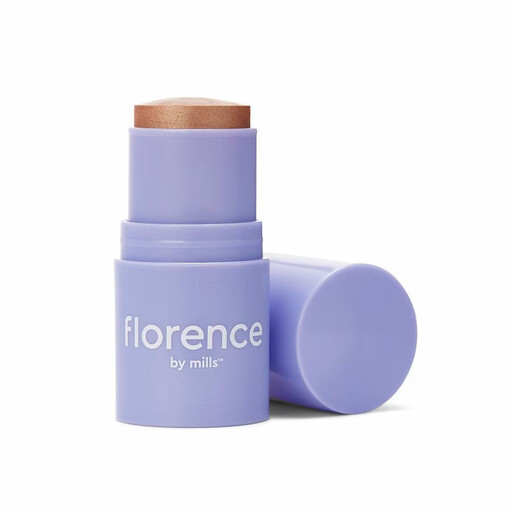
Why it's a match: Perfect for users looking for an easy-to-handle product for a quick, natural look. The stick format is ideal for beginners, and the brand is known for its "Clean Beauty" approach.
The cream-to-powder formula blends effortlessly, preventing a patchy result. It can be applied directly to the skin or over foundation without disturbing it.
The oil-free formula is non-greasy and feels comfortable on the skin. According to the manufacturer, the product is vegan and versatile (cheekbones, nose, collarbone).
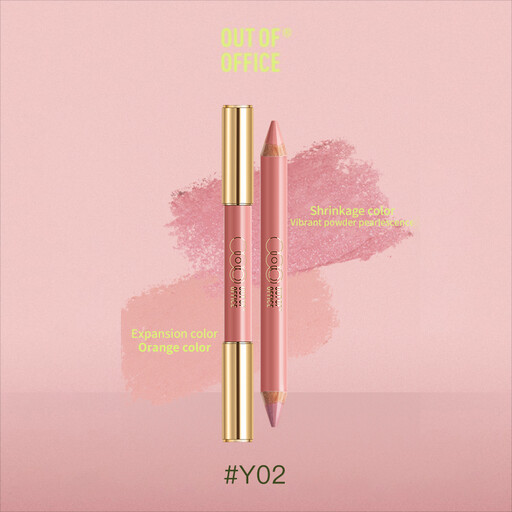
Why it's a match: This 2-in-1 product combines a contouring stick and a highlighter. It's a foolproof solution for anyone wanting to start defining and accentuating their facial features.
The coordinated shades for contour and highlight prevent an unnatural or ashy look—a common mistake when choosing separate products. The creamy texture blends easily.
A convenient duo-product that eliminates the need to buy two separate sticks. Ideal for travel and quick touch-ups without extra brushes.
We've compiled a complete, up-to-date list of products that fully meet these strict selection criteria and all applicable safety regulations.
1. How do you apply a highlighter stick without moving your foundation? Don't apply the stick directly to your face with heavy pressure. Instead, pick up the product with your fingertips, a slightly damp makeup sponge, or a dense brush, and gently tap it onto the desired areas (cheekbones, bridge of the nose, brow bone). The tapping motion prevents the makeup layer underneath from being disturbed.
2. Can I use a highlighter stick on oily skin? Yes, but the choice of texture is important. Look for oil-free formulations or those with a "cream-to-powder" finish. These dry down to a more powdery, less shiny finish and tend to last longer on oily skin. Avoid very rich, oily formulas, as they can enhance shine. Lightly powdering the T-zone can also help.
3. What is the difference between a cream highlighter and a contouring stick? A cream highlighter is used to catch light and accentuate high points of the face (like cheekbones). It contains light-reflecting pigments and is light in colour. A contouring stick has the opposite function: it is typically matte and has a cool, shadow-like tone. It is used to create the illusion of depth and add definition to the face (e.g., under the cheekbones or along the jawline).