
Lieferung heute & morgen

Qualitätsgarantie

Willkommens-Angebote freischalten: KOSTENLOSE Lieferung | Bis zu 80 % RABATT | Kostenlose 30-Tage-JoyPlus-Testphase
App herunterladen
Whether it is a kitchen knife, fabric scissors or a cable cutter, a cutting tool must be suited to the task at hand. Many disappointing purchases are not caused by a low price, but by unclear material specifications, unsuitable dimensions or a design that is not particularly comfortable in everyday use. This buying guide explains which criteria matter when choosing high-quality cutting tools and which models suit different usage profiles.
“Stainless steel” initially describes only a group of materials. In practice, manufacturing quality, edge quality, hardness and corrosion resistance are also important. A knife with a stainless-steel blade may be suitable for vegetables, while a cable cutter has different requirements in terms of strength and cutting geometry.
Coatings should also be assessed objectively. A non-stick or titanium coating can make cleaning easier, but it cannot replace the right cutting technique and should not be confused with long-lasting sharpness.
A small vegetable knife with an 8 cm blade is suitable for peeling, trimming and smaller cutting tasks. For large foods or long, even cuts, a bread knife with a 22 cm blade is more practical. Fabric scissors with a 21 cm blade can cut through several layers of fabric, but they are not automatically suitable for every material.
Before buying, you should therefore be clear about whether you need the tool for fine, long, forceful or repetitive cuts.
Dishwasher compatibility is not always an unqualified benefit for cutting tools. Frequent cleaning in a dishwasher can put greater strain on handles, coatings and cutting edges. With electrical appliances, blades and housings must also be cleaned separately in accordance with the manufacturer’s instructions.
Sharp knives should never be left loose in a drawer. A knife block, blade guard or suitable drawer insert reduces the risk of damage and injury.
Rust-resistant steels are widely used for household kitchen knives and stainless-steel cutting tools. What matters is whether the manufacturer provides specific information about the material and its processing. The ZWILLING ZW Nakiri GOURMET, for example, is described as featuring FRIODUR ice-hardened stainless steel and a double-sided cutting edge of approximately 15°. These are useful details about the construction, but they are not a universal promise for every situation.
Fabric scissors should have a sufficiently long, precisely ground cutting edge. The handle must be shaped so that the scissors can be guided securely. Cables and wire, on the other hand, require a tool with suitable cutting-edge hardness and a cutting capacity specified by the manufacturer.
The shape determines how the tool can be used:
A non-slip handle, safety lock or finger guard are practical design features. The SEVERIN AS 3915 electric food slicer includes features such as a safety switch, finger guard, pressure plate, non-slip suction feet and an adjustable cutting range of 0 to 15 mm.
For all tools, the cutting edge should only be used on the materials for which it is intended. Glass and ceramic chopping boards can blunt knife blades more quickly. Nail clippers should be used exclusively for nails, while a cable cutter should not be used on unsuitable metal thicknesses.
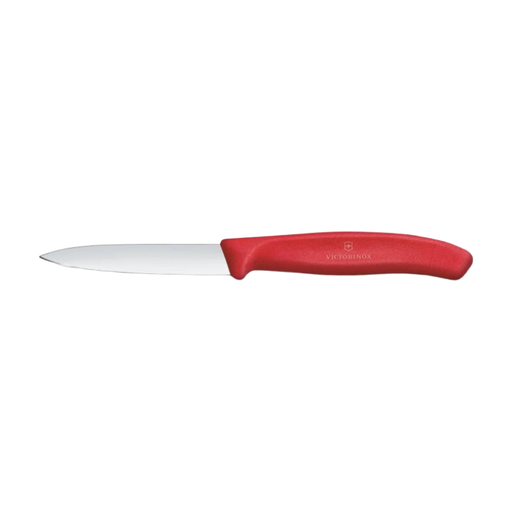
Why this product suits this profile: This compact vegetable knife is designed for peeling, trimming and smaller everyday cutting tasks.
The specified 8 cm blade makes its intended use clear and prevents the expectation that a small knife should handle every kitchen task.
Stainless-steel blade, polypropylene handle, weight of 20 g and dishwasher-safe according to the product specifications.
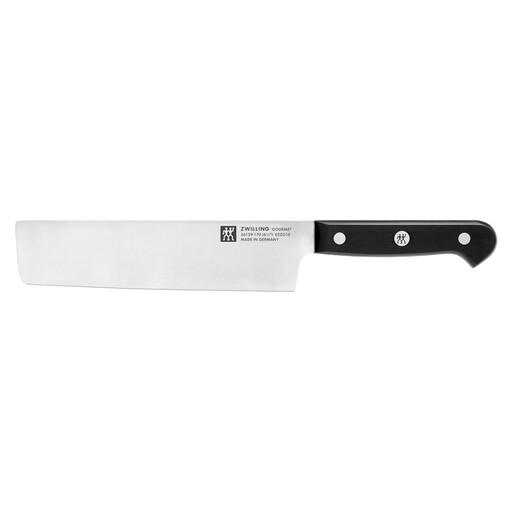
Why this product suits this profile: The broad Nakiri blade is ideal for home cooks who regularly prepare vegetables and herbs.
The blade shape and 17 cm length are clearly specified. This makes it easier to check whether the knife suits your cutting technique and work surface.
FRIODUR ice-hardened stainless steel, a V-shaped edge of approximately 15° per side and a specified weight of 260 g.
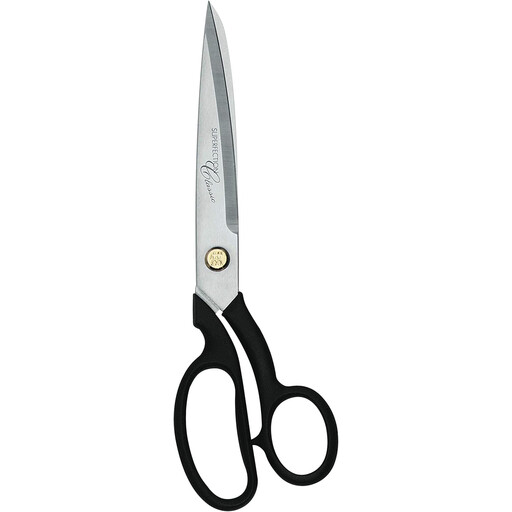
Why this product suits this profile: Tailors, sewing enthusiasts and DIY users get long-bladed scissors for fabric, wool, paper and cardboard.
The product description specifies the blade length, stainless steel and the intended range of materials. This makes it easier to distinguish these scissors from small household scissors.
21 cm blade, weight of 142 g, glass-fibre-reinforced plastic handle and precision screw for adjustment.
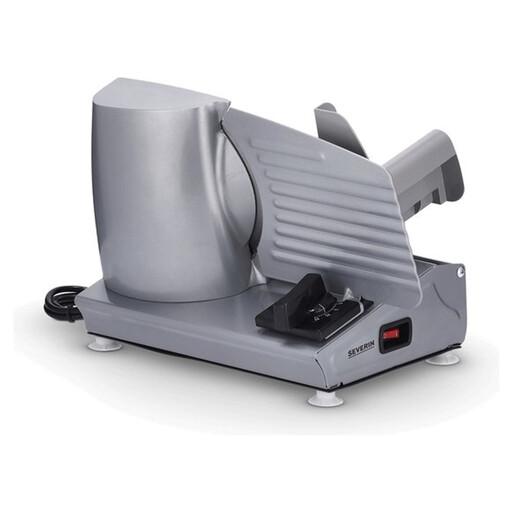
Why this product suits this profile: For households that regularly want to slice bread, cheese, cold meats or vegetables to an adjustable thickness.
The safety features and intended use are clearly listed. The blades must be disconnected from the mains before cleaning or changing them.
180 W motor, two removable stainless-steel blades and continuously adjustable cutting thickness from 0 to 15 mm.
For keen bakers, a set of 10 stainless-steel cookie cutters can be useful when several shapes are required and easy cleaning is important. When buying, consider the rim height, shape retention and suitability for the dough you use.
A nail clipper such as the 65 mm model from ZWILLING is compact and designed for both fingernails and toenails. Safe use depends on a mechanism that closes cleanly, sufficient leverage and a corrosion-resistant surface.
For bicycle repairs or DIY projects, choose a cable cutter according to the material and permitted cutting thickness. According to the product specifications, the WORKPRO 190 mm is made of chrome vanadium steel and features a return spring as well as a safety lock for storage. The tool’s recommended capacity must not be exceeded.
We have put together a complete, regularly updated list of products that fully meet these strict selection criteria and the safety regulations applicable in the EU.
Their service life depends on the material, cutting angle, frequency of use and care. Only cut suitable materials, use appropriate cutting surfaces and store knives safely. If cutting performance declines, a suitable knife sharpener or blade replacement may be appropriate, depending on the tool.
That depends on the individual product. Some kitchen knives and cutlery are dishwasher-safe according to the product specifications, while other tools should only be cleaned by hand. With electrical appliances, blades and housings must only be cleaned in accordance with the relevant instructions.
For many households, a chef’s knife, a vegetable knife and a bread knife provide a practical foundation. Depending on your needs, you can add steak knives, cookie cutters, fabric scissors, a nail clipper or a cable cutter. What matters is not the number of tools, but whether the tool, material and intended use are a good match.