
Lieferung heute & morgen

Qualitätsgarantie

Willkommens-Angebote freischalten: KOSTENLOSE Lieferung | Bis zu 80 % RABATT | Kostenlose 30-Tage-JoyPlus-Testphase
App herunterladen
Choosing the right hiking backpack can be a challenge given the vast array of models, sizes, and features. An unsuitable pack can ruin a trip with poor load distribution or a lack of comfort. The goal of this article is to provide you with clear, objective guidance. We will introduce different types of backpacks and explain which features are relevant for various uses, enabling you to make an informed decision.
Before you decide on a model, three fundamental criteria should be considered. These will help you narrow down the selection to products that meet your specific needs.
A backpack's volume, measured in litres (L), is crucial for its intended purpose.
A good suspension system is fundamental for comfort, especially on longer tours with heavier loads. It should be adapted to the anatomy of men's and women's packs. Pay attention to the following components:
The outer material should be robust and abrasion-resistant to withstand the rigours of the outdoors. Many backpacks are made from ripstop nylon or polyester, which offer a good balance of durability and weight. A waterproof backpack is rarely completely so without additional measures. Note the difference:
Based on the criteria above, we have compiled a selection of models for various activities.
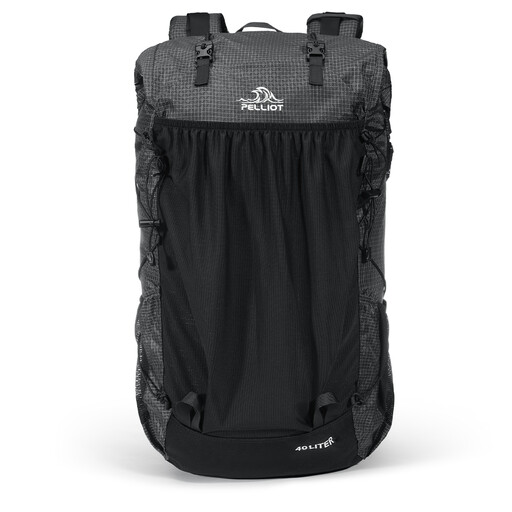
Why It Stands Out This model is designed for demanding tours. An integrated aluminium frame aids in load distribution, directing weight to the hips. The dynamic suspension system technology allows the shoulder straps to adapt to your walking motion, which reduces resistance. The 3D back panel with ventilation channels supports air circulation.
Advantages
Who It's For This 40-litre trekking pack is an excellent choice for hikers planning 2- to 3-day tours with a medium-weight load (up to approx. 11 kg) who value a stable suspension system.
View Details for the PELLIOT Trekking Backpack
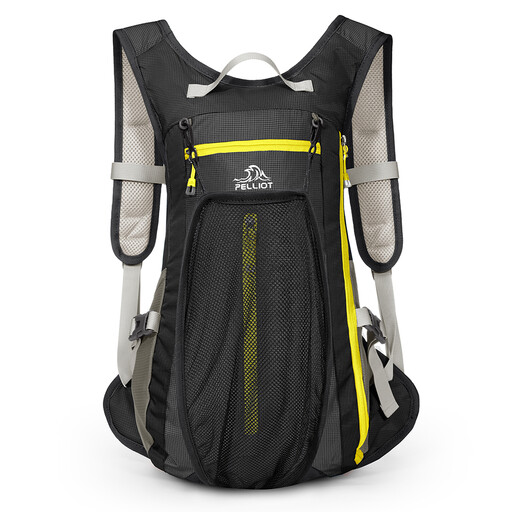
Why It Stands Out This backpack focuses on stability, low weight, and fast access (S.L.F. Triple Design). The ergonomic suspension system is designed to sit close to the body and not bounce during fast movements. The grid polyester fabric used is tear- and abrasion-resistant. Multiple compartments allow for organised gear storage.
Advantages
Who It's For As a lightweight hiking pack, this model is ideal for trail running, mountain biking, or fast day hikes where freedom of movement and a stable fit are paramount. It serves as a functional trail running pack and cycling backpack.
View Details for the PELLIOT Trail Running Backpack

Why It Stands Out This 10-litre model combines the function of a daypack with that of a dry bag. The reinforced, tear-resistant fabric is treated with a highly water-resistant coating to protect the contents from light rain. A special feature is its packability: the entire backpack can be stowed in its own pocket, making it easy to transport.
Advantages
Who It's For This backpack is a practical solution for anyone looking for a minimalist, lightweight, and flexible companion for daily use or short, uncomplicated outings. It serves as a functional, highly water-resistant bag.
View Details for the PELLIOT Waterproof Bag
The models presented cover common use cases. However, if you are looking for different sizes, specific colours, or backpacks for special requirements, it's worth taking a look at our broader assortment.
Explore a larger selection in our unisex luggage category to find the perfect model for your individual needs.
The required size depends on the duration and type of your tour. For day hikes, 10–25 litres are sufficient. For weekend trips with an overnight stay, 30–50 litres is a good guideline. For multi-day trekking tours without resupply options, you will need 50 litres or more.
The terms are often used interchangeably, but there is a functional distinction. A trekking pack is typically larger (over 50 litres) and designed for carrying heavy loads over long distances. It features a very robust suspension system. A hiking backpack is a more general term that also includes smaller models for day trips.
A hip belt is one of the most important features as soon as the backpack holds more than just the bare essentials. It transfers up to 80% of the weight from the shoulders to the hips, which can carry a much greater load. This relieves the spine, prevents fatigue, and significantly increases carrying comfort on longer routes. For a very small, lightweight pack under 15 litres, it can be omitted.