Choosing the right backpack can make or break a hike. An ill-fitting model leads to pressure points, an unbalanced load, and detracts from the overall outdoor experience. With a vast array of models, sizes, and features, it's challenging to keep track. This guide serves as your point of reference. It explains the essential criteria for selecting a hiking backpack and presents a selection of models for different purposes to help you make an informed decision.
What to Look for When Choosing a Hiking Backpack
Three main factors determine which backpack is right for your needs: volume, the suspension system, and the material construction.
Volume: From Day Hikes to Multi-Day Treks
The required volume depends directly on the duration and nature of your tour.
- Up to 20 Liters: Ideal as a daypack for hiking on short trips where you only carry the essentials, like a water bottle, snacks, and a rain jacket. Many of these models are designed as lightweight backpacks and are also suitable for everyday use.
- 20 to 35 Liters: A versatile size for extended day hikes or hut-to-hut trips with one overnight stay. This size can accommodate a change of clothes, more substantial provisions, and additional gear.
- 40 Liters and Up: These models fall into the trekking backpack category. A 40L backpack is designed for multi-day, self-sufficient tours with a tent and sleeping bag. The suspension system is crucial here to comfortably carry the heavier weight.
Suspension System and Fit: The Key to Comfort
An ergonomic suspension system is essential to effectively transfer the load from your shoulders to your hips. Look for the following features:
- Padded and adjustable shoulder straps: They should conform to your body's contours without digging in.
- Hip belt: A wide, padded hip belt is the most important element for load transfer. It should sit firmly on your hip bones.
- Back ventilation: A mesh back panel or ventilation channels in the back padding reduce sweating and increase comfort on long treks.
- Sternum strap: It stabilises the shoulder straps and prevents them from slipping.
Material and Functionality: Protection and Organisation
The material affects the backpack's weight, durability, and weather protection.
- Materials: Modern technical packs are often made of polyamide (Nylon) or polyester. These fabrics are lightweight, tear-resistant, and abrasion-resistant. A PU or silicone coating provides water-repellent properties. For complete protection in heavy rain, a waterproof outdoor backpack or a separate rain cover is recommended.
- Compartment Layout: A well-designed technical pack offers additional compartments besides the main one, such as a lid pocket for quick access, side pockets for water bottles, and a separate bottom compartment for a sleeping bag. Attachment loops for hiking poles or other gear increase flexibility.
Technical Packs We Recommend
Based on the criteria mentioned, we have compiled a selection of backpacks for various needs.
1. Beneunder LC183 Expandable Backpack 10L
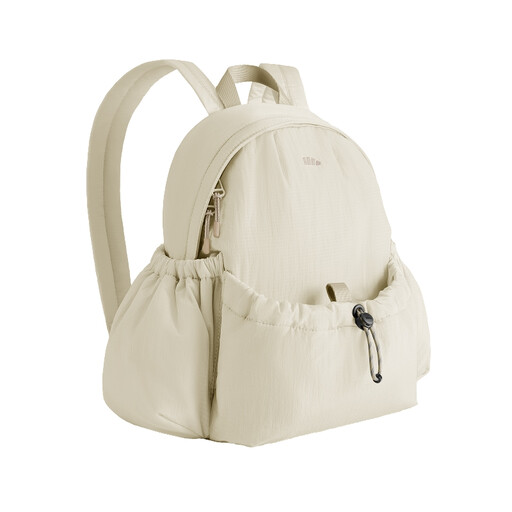
Why it stands out: This model is notable for its flexibility. The integrated expansion design allows the volume to be increased by 30% from 10 to 13 liters when needed. This makes it a practical companion for everyday life and spontaneous, short hikes.
Advantages:
- Expandable Volume: Flexibly adapts to different needs, from the daily commute to a short excursion.
- Lightweight Material: Made from high-strength, soft nylon fabric, which makes the backpack very light at approx. 235 g.
- Carrying Comfort: The pressure-relieving shoulder straps are designed to reduce the load and provide comfort even during extended wear.
- Weather Protection: According to the manufacturer, the multi-functional protective fabric is wind-, rain-, and dirt-repellent.
Who is it for? Ideal for commuters, city travelers, and casual hikers looking for a minimalist, lightweight, and adaptable backpack for daily use and short tours.
2. PELLIOT Trail Running Backpack 20L
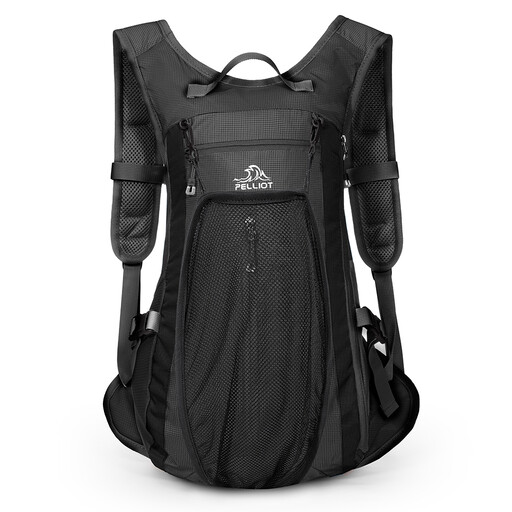
Why it stands out: This trail running pack is specifically designed for fast-paced, high-movement activities. The S.L.F. (Stable, Lightweight, Fast-access) suspension system ensures a close-to-the-body, bounce-free fit, while the low weight enhances performance.
Advantages:
- Ergonomic Suspension System: The pressure-reduction system distributes weight evenly to minimise shoulder strain during long runs or bike rides.
- Stable Fit: The body-hugging fit prevents the backpack from bouncing up and down during fast movements.
- Robust Material: The abrasion-resistant grid polyester fabric is resilient against branches or rocks and designed for intensive use.
- Thoughtful Organisation: Multiple compartments, including a quick-access front pocket, allow for organised storage of a water bottle, tools, snacks, and valuables.
Who is it for? For trail runners, mountain bikers, and fast hikers who need a lightweight, stable, and functional backpack that won't get in the way during high-intensity activities.
3. PELLIOT Trekking Backpack 40L
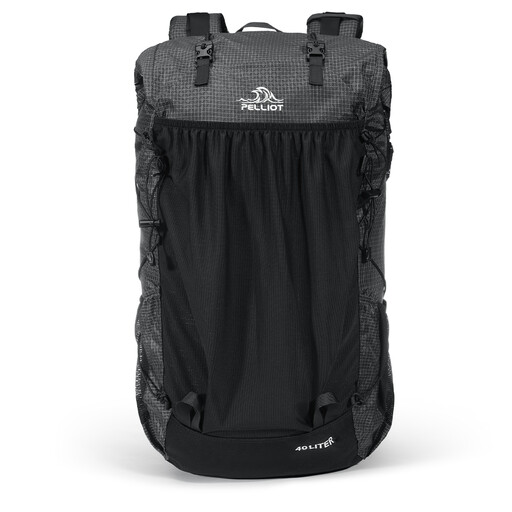
Why it stands out: This trekking backpack is engineered for demanding multi-day tours. Its core feature is the integrated aluminum frame, which, combined with the dynamic suspension system, transfers a large portion of the weight to the hips, thus relieving the shoulders and back even with a heavy load.
Advantages:
- Effective Load Distribution: The aluminum frame and the scientifically designed load distribution system significantly reduce strain on long treks.
- Dynamic Suspension System: According to the manufacturer, the shoulder straps automatically adapt to walking movements, which reduces resistance and promotes natural body motion.
- Breathable Back System: S-shaped padded straps, an ergonomic EVA back panel, and ventilated mesh ensure maximum air circulation and keep your back dry.
- Large Volume and Organisation: With a 40L capacity for 2- to 3-day tours, the backpack offers a large main compartment, various external pockets, and attachment points for trekking poles or a sleeping pad.
Who is it for? For trekking and hiking enthusiasts who need a robust and comfortable backpack for multi-day tours with a load range of around 11 kg.
Looking for Specialised Gear?
Some outdoor activities place special demands on equipment. Climbing, in particular, requires freedom of movement, a slim profile, and special attachment options for a rope and helmet. A conventional hiking backpack is often not the right choice here.
For demanding vertical routes, a specialised backpack is essential. Discover our selection of climbing backpacks for more options.
Frequently Asked Questions (FAQ)
For a typical day hike, a volume of 15 to 25 liters is usually sufficient. Such a daypack for hiking offers enough space for provisions, a 1.5-liter water bottle, a rain jacket, a first-aid kit, and personal items like a smartphone and keys.
What is the difference between a hiking backpack and a trekking backpack?
The main difference lies in the volume and the suspension system. A hiking backpack (typically 15-35 liters) is designed for day tours with light luggage. A trekking backpack (40 liters and up) is built for multi-day tours with heavier gear (tent, sleeping bag, stove). It features a more robust suspension system with a pronounced frame and a more substantial hip belt to comfortably distribute the heavy load.
How do I correctly adjust my backpack's suspension system?
A correct adjustment is crucial for carrying comfort. Follow these steps:
- Before putting the pack on, loosen all straps (shoulder, hip, sternum, load lifters).
- Put on the pack and position the hip belt so it sits centered on your hip bones. Tighten it firmly. It should carry the majority of the weight.
- Tighten the shoulder straps so they fit snugly against your body but do not carry the main weight.
- Adjust the load lifter straps (the small straps at the top of the shoulder straps) to pull the backpack closer to your back and increase stability.
- Fasten the sternum strap and tighten it just enough to keep the shoulder straps in a comfortable position without restricting your breathing.


