
Lieferung heute & morgen

Qualitätsgarantie

Willkommens-Angebote freischalten: KOSTENLOSE Lieferung | Bis zu 80 % RABATT | Kostenlose 30-Tage-JoyPlus-Testphase
App herunterladen
The idea of conquering challenging peaks with less effort or significantly extending your hiking range is now a tangible reality thanks to wearable exoskeletons. These technological aids promise to reduce the strain on your legs and boost your endurance. However, the market is new, and manufacturers' promises are often grand. Before you make an investment, it's crucial to separate the wheat from the chaff. Many buyers fall into traps set by exaggerated marketing claims and poorly conceived designs.
This guide highlights the most common pitfalls and shows you which technical parameters truly matter, enabling you to make an informed decision when choosing a hiking exoskeleton.
The technology is fascinating, but it also holds the potential for disappointment. Pay close attention to these three points to avoid a costly mistake:
To objectively evaluate a model's performance, focus on verifiable technical data rather than marketing buzzwords. A close look at an outdoor exoskeleton review or product data sheets is essential.
The power assistance for your legs is generated by electric motors. The power, specified in Watts (W), is a key indicator of how effectively the system can support you on inclines.
The battery is the heart of your portable walking aid. Don't just look at the advertised range in kilometres; focus on the capacity in Watt-hours (Wh). Even more important is flexibility: systems with swappable batteries (dual-battery system) allow you to significantly extend the range by carrying spare batteries. This is a decisive advantage for day trips or multi-day hikes.
Every extra gram on your body counts. A good outdoor exoskeleton strikes a balance between stability and low weight. High-quality materials like carbon fibre or special aluminium alloys are often the choice here. Also, pay attention to the IP rating (e.g., IP54). This indicates how well the device is protected against dust and splashing water—a must for use in unpredictable weather.
Instead of making a one-size-fits-all recommendation, we have matched models based on different user profiles. This will help you find a solution that fits your specific goals when you're looking to buy a leg exoskeleton.
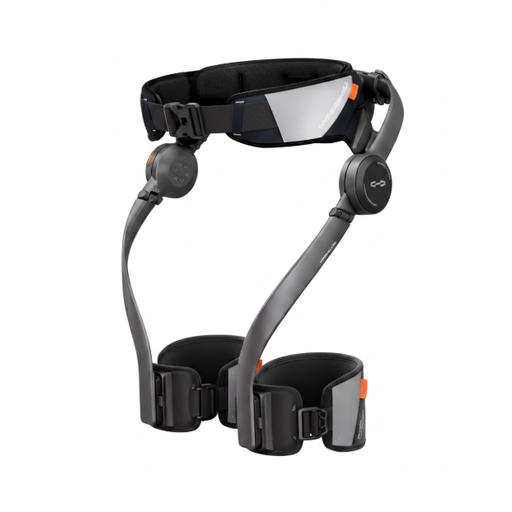
Why This Fits Their Persona: Ideal for users seeking a solid performance boost for day hikes in low mountain ranges. It offers a great entry point into the technology without being overloaded with features that are only relevant for extreme tours.
The 17.5 km range is more realistically calculated for day trips. The 10 modes offer a clear, understandable selection for various activities without making an overly complex AI promise.
800W Power: Provides noticeable support on inclines. Dual-Battery System: Allows for flexible range extension for longer tours.
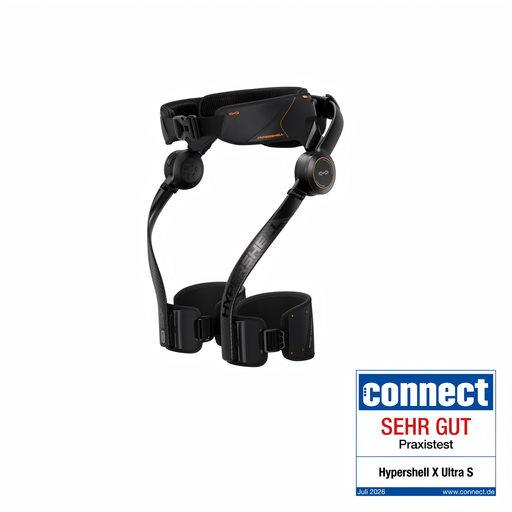
Why This Fits Their Persona: Designed for extreme outdoor adventures and multi-day tours where maximum range and powerful support in alpine terrain are crucial. Ideal for mountaineers and long-distance hikers.
The high range of up to 60 km is explicitly made possible by using two batteries. This is a transparent claim that bypasses the pitfall of unrealistic single-battery promises.
1000W Peak Power: Offers maximum power reserves for the steepest climbs. High Range: The dual-battery system is designed for long distances without charging opportunities.
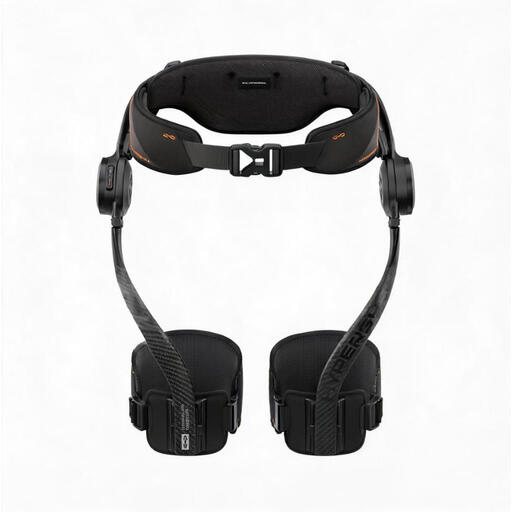
Why This Fits Their Persona: Perfect for tech-savvy users who want a powerful and versatile device for hiking as well as everyday activities. The focus is on a combination of power, smart modes, and durability.
The 12 smart modes are clearly defined for different scenarios (e.g., hiking, walking, running). The IP54 protection is a verifiable standard, not a vague promise, proving its durability for all-weather use.
1000W Power: Strong support for challenging terrain. IP54 Certification: Provides protection against dust and splashing water, increasing durability for outdoor use.
We have compiled a complete, up-to-date list of products that fully meet these strict selection criteria and rigorous safety standards.
The adjustment period varies by individual, but most users feel comfortable with how it works after one or two short trips (about 1-2 hours). It's advisable to start on flat or slightly hilly terrain to get a feel for the assistance and how the device responds to your movements.
Modern exoskeletons are relatively low-maintenance. Maintenance is usually limited to regularly cleaning off dirt and dust, checking screw connections, and storing the batteries properly according to the manufacturer's instructions. Mechanical parts should be inspected for wear and tear, especially after intensive use in challenging terrain.
Typically, no. The exoskeletons presented here are designed as sports and recreational devices, not as medical aids recognised for insurance reimbursement. Therefore, cost coverage is unlikely. For a definitive answer regarding potential coverage for specific medical indications, you should always contact your health insurance provider directly.