For shorter hikes, groups and lunchboxes, multipacks of small, individually wrapped bars are handy when you want to share out portions. On longer or more strenuous walks, the number of bars alone isn’t what matters: choose the type and quantity to suit the duration and intensity of your hike, and plan for other food and drinks too.
Which bars are right for you?
Hikers planning several snack breaks
If you’re packing small portions for a short or medium-length hike, look at the number of bars, the weight of each one and how easily they can be shared out. Whatever multipack you choose, remember to plan for drinks too, as the German Alpine Club advises.
Hikers on longer or more strenuous routes
When you’re active for longer, planning food and drink for the whole hike matters more than taking a large pack of bars. The German Alpine Club recommends matching your food and drinks to the duration and demands of your route.
Hikers with specific ingredient requirements
If you need to avoid certain ingredients or allergens, check the exact product variant and its packaging. Bars with similar names may have different recipes, and a ‘gluten-free’ label says nothing by itself about other allergens.
What should you look for when buying?
Small bars in a multipack
A good choice if: you want to share portions between several breaks, people or lunchboxes.
Keep in mind: lots of individual bars won’t, on their own, provide everything you need for a demanding hike.
Outdoor or energy bars
A good choice if: getting carbohydrates while you’re on the move is a priority on a longer or more strenuous hike.
Keep in mind: the name alone tells you neither the exact recipe nor the portion size that’s right for you.
First, decide whether food for your hike, checking ingredients or sharing out bars is your main priority. Then compare only the packs that meet that requirement.
| What to consider | What to check | Who it matters to |
|---|
| Food for your hike |
Consider the duration and intensity of your hike; plan for carbohydrates per 100 g and per bar, as well as drinks. |
For a longer hike, I don’t want to base my food plan on pack size alone. For around 40% of consumers, planning food for a hike is the main priority. |
| Ingredients and allergens |
Read the ingredients list, highlighted allergens and ‘may contain’ statements for the exact product variant; compare the nutritional information if needed. |
If I need to avoid certain ingredients, the exact recipe determines what I choose. Around 30% of consumers prioritise ingredients and allergens. |
| Portions and sharing |
Match the number of bars and the weight of each one to the number of people and planned breaks. |
For a group or several lunchboxes, I want to be able to pack and share out the bars individually. For around 30% of consumers, this is the priority. |
Common mistakes when choosing
-
Assuming the number of bars covers all your food needs for a hike
Even a large multipack won’t replace drinks or other food suited to your hike. The German Alpine Club recommends taking a small emergency ration and a drink, even on shorter walks.
Plan your bars, other food and drinks together, taking into account the duration and intensity of your hike, the weather and your breaks.
-
Treating a claim on the front of the pack as the whole story
Claims such as ‘protein’ or ‘low sugar’ don’t describe the full nutritional profile. The German consumer advice centre recommends checking the nutritional information too.
For suitable varieties, compare the values per 100 g and per portion, as well as the ingredients list.
-
Assuming a specific label means a product is free from all allergens
According to EDEKA, its gluten- and lactose-free EDEKA Bio sesame bar contains sesame and carries warnings that it may contain traces of peanuts and tree nuts.
If you have an allergy, check the ingredients and ‘may contain’ statements for the exact pack variant, not just the front of the pack.
-
Relying on online details instead of checking the pack you buy
EDEKA notes that product information on its website may differ from the packaging. This is particularly important if you’re choosing a product based on allergens or a specific recipe.
Before packing or eating the bars, check the information on the pack you actually bought.
Brands and product ranges to consider
GUT&GÜNSTIG
EDEKA sells a GUT&GÜNSTIG peanut muesli bar in an 8 × 25 g pack.
- Eight small, individually wrapped portions can be shared between several breaks or people.
- According to EDEKA, the peanut variety contains peanuts, cereals containing gluten and milk, among other ingredients. Always check the details on the pack you buy.
EDEKA Bio
The EDEKA Bio sesame crisp bar comes in a 3 × 25 g pack and is labelled gluten- and lactose-free, according to EDEKA.
- The smaller pack size and specific labelling may help you choose between varieties.
- The bar contains sesame; EDEKA states that it may contain traces of peanuts and tree nuts.
PowerBar
Outdoor retailer Bergfreunde includes PowerBar energy bars in its range of bars for hiking.
- The range gives you a starting point for comparing energy bars with classic muesli bars.
- Check the type of bar, ingredients and portion size for each product; the brand name doesn’t indicate a particular multipack format.
Chimpanzee
Bergfreunde stocks a range of Chimpanzee bars for hiking, including different varieties.
- The different varieties let you compare recipes and portion sizes to find what suits you.
- A high-protein or caffeinated bar won’t suit every hike just because of its name; check the details on the specific pack.
Multipacks of bars at Joybuy
These multipacks contain different numbers and sizes of bars, ready to pack for breaks or share with others. Pack size alone doesn’t determine how much food you’ll need for a hike.
 No image available
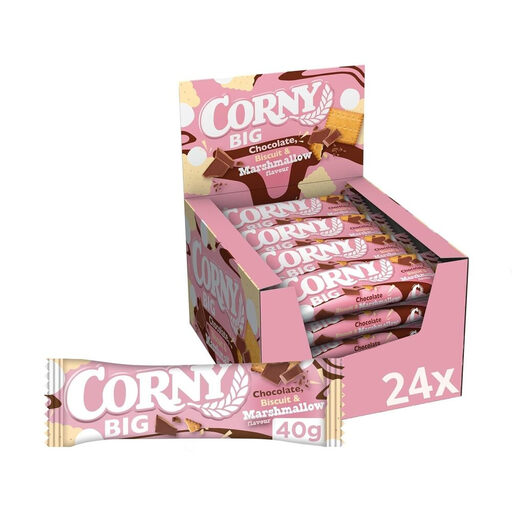
Corny Big Marshmallow cereal bars, 24 × 40 g
For several snack breaks or sharing: this pack contains 24 bars, each weighing 40 g. Check that this portion size suits your breaks.
If you need to check ingredients or allergens, read the labelling on the specific pack.
View at Joybuy
 No image available
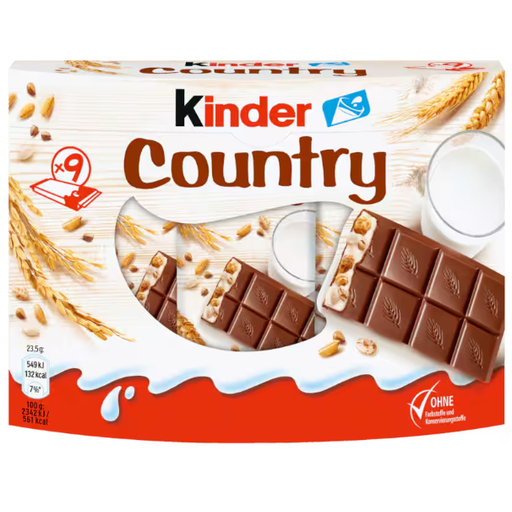
Kinder Country milk chocolate cereal bars, 9 × 23,5 g
For smaller snacks or lunchboxes: this pack contains nine bars, each weighing 23,5 g.
If ingredients or allergens are important to your choice, check the details on the specific pack.
View at Joybuy
 No image available
Corny Free White Chocolate No Added Sugar cereal bars, 6 × 20 g
For measured smaller portions: this pack contains six bars, each weighing 20 g. Check whether they’re individually wrapped if you want to share them out separately.
For this variety, read the ingredients list and nutritional information on the pack; the words ‘No Added Sugar’ in the name are no substitute for checking these details.
View at Joybuy
 No image available
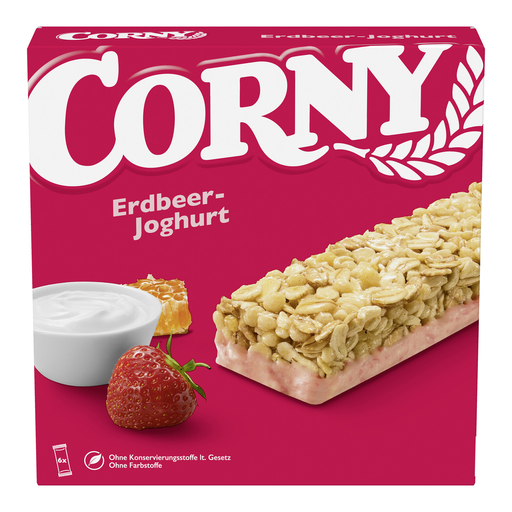
Corny Strawberry Yoghurt cereal bars, 6 × 25 g
For several breaks or sharing: this pack contains six bars, each weighing 25 g.
If ingredients or allergens are a deciding factor, check the details on the pack you actually buy.
View at Joybuy
 No image available
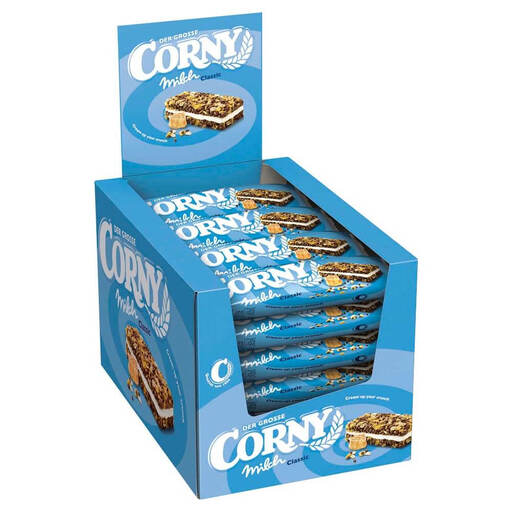
Corny Milk Classic cereal sandwich bars, 24 × 40 g
For several people or snack breaks: this pack contains 24 bars, each weighing 40 g. Choose how many to pack to suit your hike.
If you need to check ingredients or allergens, read the labelling on the specific pack.
View at Joybuy
Frequently asked questions
Is a multipack of bars enough food for a day hike?
No. A multipack doesn’t replace drinks or a food plan suited to your hike. The German Alpine Club recommends taking a small emergency ration and a drink, even on shorter walks. When choosing what to pack, consider the duration and intensity of your hike.
Which details on the pack should I compare when choosing bars?
First compare the number of bars and the weight of each one, then check the nutritional information, ingredients and allergens for the specific variety. This helps you choose a suitable portion size without relying on the multipack’s total weight alone.
Is a claim such as ‘High Protein’ or ‘low sugar’ enough to help me choose?
No. A single nutrition claim doesn’t describe a bar’s overall composition. The German consumer advice centre recommends checking the nutritional information; you may also want to compare the ingredients and portion size.
How can I identify allergens in packaged bars?
Read the ingredients list for the exact variety and look out for highlighted allergenic ingredients and possible ‘may contain’ statements. The German Food Federation explains allergen labelling; a warning about possible traces relates to accidental presence and should be considered separately when choosing a product.


