
Lieferung heute & morgen

Qualitätsgarantie

Willkommens-Angebote freischalten: KOSTENLOSE Lieferung | Bis zu 80 % RABATT | Kostenlose 30-Tage-JoyPlus-Testphase
App herunterladen
Outdoor hiking shoes with heels combine a striking appearance with features reminiscent of hiking or walking shoes. They are often chosen for everyday wear, leisure activities, events or easy routes. However, models with raised heels are not automatically suitable for demanding hikes. What matters is the actual construction, fit and intended use – not just the product name.
The term outdoor may simply describe the design or intended leisure use. It does not replace information about sole tread, cushioning, water resistance, ankle support or materials. If this information is missing, the shoe should initially be viewed as a fashionable leisure or everyday shoe.
Before buying, check whether the seller provides specific information on the following:
A heel shifts weight forwards and can affect the way the foot rolls. On flat paths, this may be acceptable for some wearers. On scree, wet woodland floors, uneven rocks or steep descents, however, it places greater demands on balance and sole contact.
Hiking shoes with heels should therefore not automatically be treated like traditional trekking shoes. This type of design may be suitable for easy walks, surfaced paths and short leisure routes. For long hikes or technically challenging terrain, flat, sturdily constructed walking shoes are generally the more obvious product category.
A shoe size such as 39 or 44 describes the nominal length, but not the actual width, heel shape or toe room. This is particularly relevant with women’s hiking shoes with heels and men’s hiking shoes with heels, as the cut and internal volume may vary.
When trying shoes on, wear the socks you intend to use. There should be some room for movement between the longest toe and the front of the shoe, while the heel should lift as little as possible when walking. Pressure around the ball of the foot, sideways movement or hard contact around the ankle are signs that the fit is not right.
The absolute heel height is not the only relevant factor. The heel’s contact area, the width of the sole’s footprint and the connection between the heel and the rest of the outsole are also important. A narrow heel may feel less stable on uneven ground than a broad, flat construction.
If you plan to wear the shoes every day, also check whether the heel makes even contact with the ground and whether the sole is flexible enough during the roll-through. These points can only be assessed to a limited extent from product images. If technical details are missing, it is worth contacting the retailer.
A moderate tread is often sufficient for surfaced paths. On wet or loose ground, clearly defined tread blocks and a slip-resistant rubber compound are more important. However, a general description such as “good grip” is not measurable proof of performance.
Look for:
A specific standard does not automatically apply to every leisure shoe. EN ISO 20347, for example, concerns certain types of occupational footwear and is not, in itself, a general quality certificate for fashionable outdoor shoes. Safety or protective features should only be assumed when they are expressly stated and properly documented.
“Water-repellent” and “waterproof” do not mean the same thing. Water-repellent surfaces can limit brief contact with moisture, whereas lasting waterproofing requires a suitable construction and testing. Without specific information from the manufacturer, a shoe should not be planned for prolonged rain or wet paths.
For everyday wear, a shape-retaining upper, neat stitching and comfortable lining are important selection criteria. For care, check whether the material can be treated with water, waterproofing spray or specialist cleaning products.
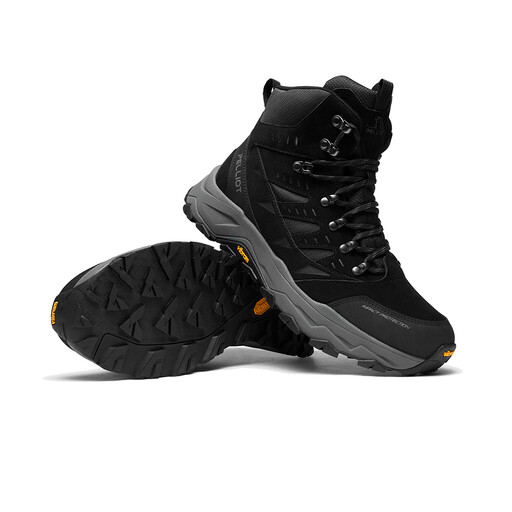
Why this product suits this profile: The black version in size 39 is aimed at shoppers looking for a distinctive outdoor design for everyday wear, leisure and short routes.
The specific colour and size variant makes choosing easier. Heel height, tread and weather suitability should also be checked on the product page before buying.
Black colourway; stated size 39; product presentation combining high-heel and outdoor styling.
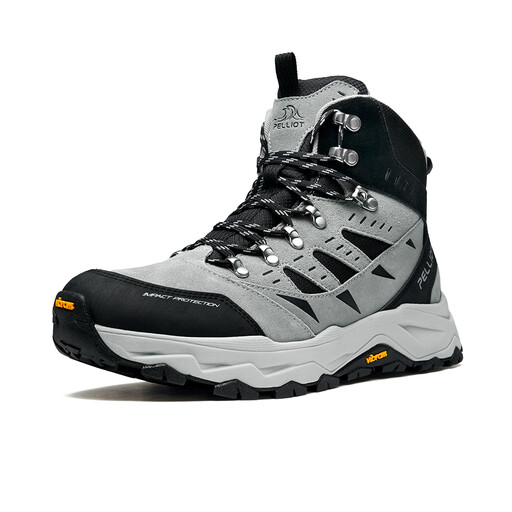
Why this product suits this profile: The grey version in size 44 offers a clearly defined option for men looking for fashionable outdoor shoes in a larger nominal size.
The variant is clearly named by colour and size. However, details of the material, heel dimensions and sole tread are missing, so these points should be checked before placing an order.
Grey colourway; stated size 44; combination of outdoor and high-heel styling.
Why this product suits this profile: Size 42 provides a specific option for men considering grey outdoor shoes for regular leisure and everyday wear.
The single available size prevents an unclear choice. For frequent wear, shoppers should also check the returns policy, sole wear and suitability for the intended terrain.
Grey colourway; size 42; same product line as the other men’s option.
We have put together a complete, regularly updated list of products that fully meet these strict selection criteria and the safety regulations applicable in the EU.
The variants shown include a selection of hiking shoes in sizes 37 to 44, including black women’s models in sizes 37, 38 and 39, as well as grey men’s models in sizes 41, 42, 43 and 44. An available size does not automatically mean that the fit will be right for every foot.
For the most reliable choice possible:
Service life depends on weight, terrain, mileage, moisture and care. Without details of the materials and construction, it is not possible to give a reliable general estimate of how long the shoes will last. For demanding hikes, shoes should only be used when their stability and weather-resistance specifications are expressly suitable for the terrain.
That depends on the heel construction, tread, fit and terrain. They may be suitable for surfaced paths and short, easy routes. Their suitability should be assessed particularly carefully for scree, steep slopes, wet conditions or long hikes.
There is no generally applicable maximum heel height for fashionable hiking shoes. In practice, heel height, contact area and sole tread should be considered together. The more uneven the ground, the more important secure support and a broad, stable footprint become.
First, remove dirt and dust with a soft brush. Then follow the manufacturer’s instructions for the specific material. Waterproofing products should only be used if they are suitable for the upper material. Shoes should dry slowly at room temperature and should not be placed directly on a radiator.