
Lieferung heute & morgen

Qualitätsgarantie

Willkommens-Angebote freischalten: KOSTENLOSE Lieferung | Bis zu 80 % RABATT | Kostenlose 30-Tage-JoyPlus-Testphase
App herunterladen
Choosing the right hiking trousers can be the difference between an enjoyable tour and an uncomfortable trek. But the market is flooded with models making lofty promises. As your Joybuy Product Recommendation Officer, I'm here to help you separate marketing hype from genuine performance features and make an informed decision.
Many buyers invest in a new pair of women's outdoor trousers only to find after their first hike that they don't meet basic requirements. Before we look at specific models, let's highlight three common pitfalls that lead to frustration and wasted money:
To avoid these pitfalls, you should check three key parameters before buying. These will determine if a pair of women's trekking trousers is right for your individual needs.
Modern hiking trousers are made almost exclusively from synthetic fibres like polyamide (nylon) or polyester. These materials are durable, lightweight, and dry quickly. A blended-in spandex content (typically 5-15%) provides the necessary stretch.
Precision is key here. A truly waterproof pair of women's rain trousers is defined by two features:
The fit should match the function. Consider what activities you'll primarily be using the trousers for:
Look for details like an elastic waistband with a drawstring, articulated knees, and adjustable ankle cuffs to optimise the fit.
Here are some models tailored to specific use cases that meet the criteria mentioned above.
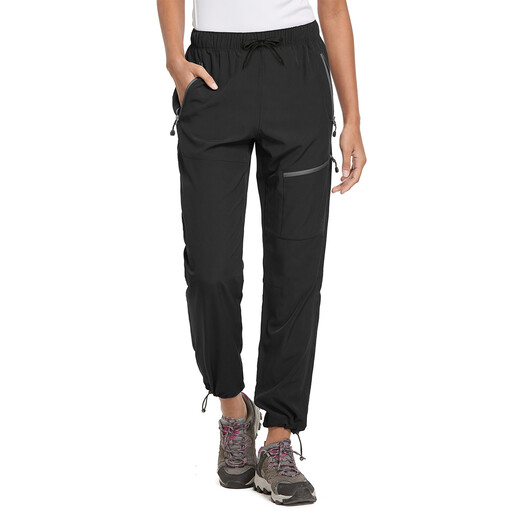
Why This Fits Their Persona: Ideal for women looking for versatile, lightweight hiking trousers for day trips from spring to autumn. They are functional enough for the trail and stylish enough for a post-hike café visit.
The material is not only water-resistant but also quick-drying and breathable, which prevents overheating. Articulated knees provide the necessary freedom of movement.
Integrated UPF 50+ sun protection and four secure zip pockets for valuables.
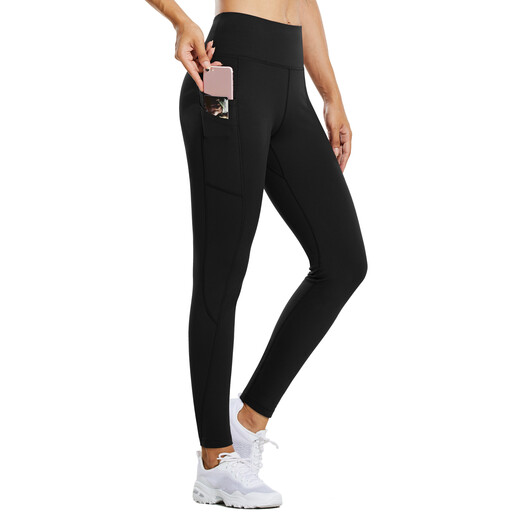
Why This Fits Their Persona: Perfect for anyone who doesn't want to miss their hike, even in temperatures below 5°C. These hiking leggings combine the mobility of leggings with the warmth of winter trousers.
The soft fleece lining provides effective thermal insulation, while the highly elastic material ensures full freedom of movement without restriction.
The water-resistant outer material protects against light snow or rain. Five pockets, including one zip pocket, offer secure storage.

Why This Fits Their Persona: For hikers who won't be deterred by heavy rain. These overtrousers offer reliable protection and can be quickly pulled on over another pair of trousers when needed.
These trousers definitively solve the "water-resistant vs. waterproof" dilemma. With a 10,000 mm waterproof rating and fully sealed seams, they offer genuine, reliable rain protection.
High breathability (10,000 g/m?) prevents heat build-up. The trousers are lightweight and pack down small, making them ideal for your backpack.
We have compiled a complete, up-to-date list of products that fully meet these strict selection criteria and all applicable regulations.
Although the terms are often used interchangeably, there are subtle differences. Women's hiking trousers are typically lighter and designed for day or weekend tours. Women's trekking trousers are often made from even more durable material, may have reinforcements on the knees and seat, and are designed for multi-day treks with a heavy backpack.
Machine wash the trousers at a low temperature (30°C) using a special detergent for technical apparel. Do not use fabric softener, as it clogs the membrane's pores and destroys breathability. To reactivate the water-repellent DWR layer, you can briefly put the trousers in the dryer on a low heat setting or iron them after washing (follow the manufacturer's instructions). If necessary, the waterproof coating can be renewed with a spray.
For summer, a pair of lightweight women's hiking trousers made from a thin, highly breathable synthetic fabric is the right choice. Lighter colours heat up less in the sun. High UV protection (UPF 50+) is especially important. Models with ventilation zips on the thighs can provide additional cooling.