
Lieferung heute & morgen

Qualitätsgarantie

Willkommens-Angebote freischalten: KOSTENLOSE Lieferung | Bis zu 80 % RABATT | Kostenlose 30-Tage-JoyPlus-Testphase
App herunterladen
Choosing the right infant formula can be a daunting task for parents. The market offers a vast array of options, and marketing claims are often difficult to navigate. Especially when transitioning to a follow-on milk from the 6th month, you want to ensure your baby receives all the necessary nutrients for their development. This guide will help you avoid common pitfalls and make an informed decision.
Common pitfalls when choosing infant formula:
To make a well-founded decision, it's helpful to understand the basic parameters of infant formula. Instead of being guided by marketing terms, you should focus on the following objective criteria.
The numbering on the packages corresponds to the developmental phases of the infant and is regulated by law.
Modern organic infant formula often contains more than just the basic nutrients. Certain components are important for specific developmental stages and needs.
Instead of making a blanket recommendation, we have compiled products for different requirement profiles.
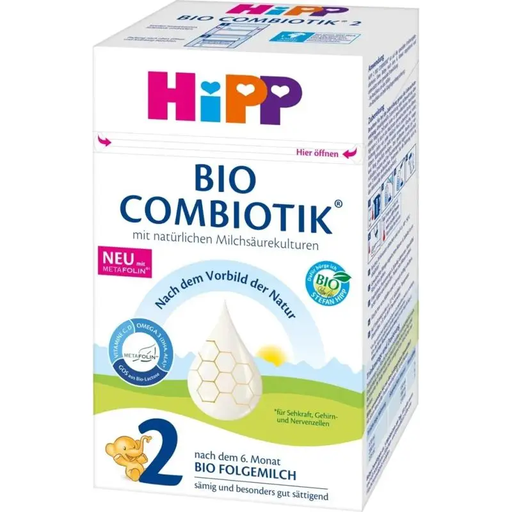
Why this product is a good fit: Developed for babies from the 6th month as part of a mixed diet, once weaning has begun. The composition is tailored to the increased nutritional needs during this growth phase.
This product is clearly declared as Stage 2, thus avoiding confusion with first infant milk. It combines the organic standard with specific ingredients like probiotics and Metafolin.
Contains natural lactic acid cultures (L.fermentum) and the folate source Metafolin. The added organic starch ensures age-appropriate satiety.
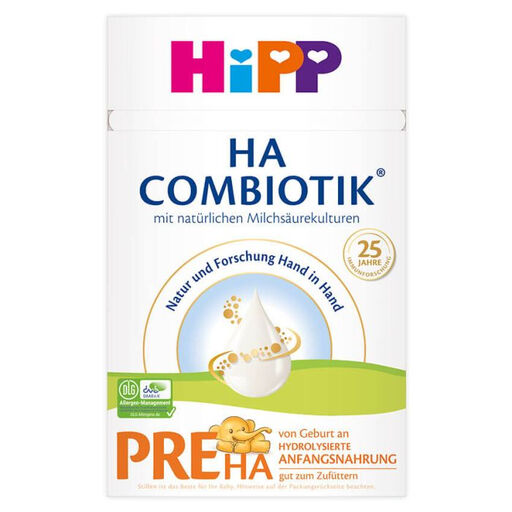
Why this product is a good fit: Designed for babies from birth who have an increased risk of allergies. The protein is extensively broken down (hydrolysed), making it less allergenic and easier to digest.
Specifically addresses the need for a hypoallergenic (HA) formula, preventing parents from accidentally choosing a standard formula that could trigger intolerances.
Contains hydrolysed whey protein and lactose as the only carbohydrate. This makes it suitable for the on-demand feeding of newborns.
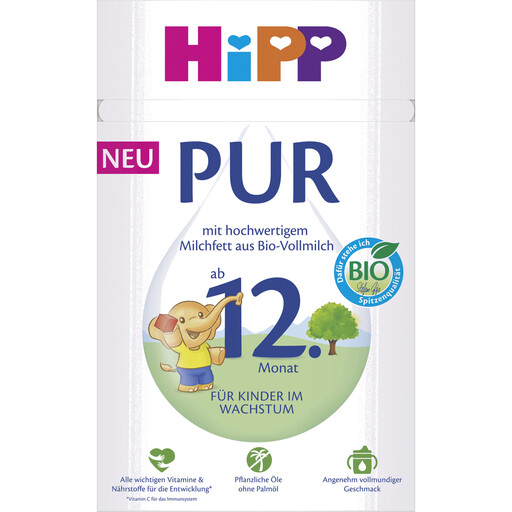
Why this product is a good fit: Specifically developed for the nutritional needs of toddlers from the 12th month. The protein content is reduced compared to cow's milk, while important nutrients like iron, iodine, and Vitamin D are added.
Prevents the mistake of continuing to give follow-on milk when the child's nutritional needs have changed. It is the correct, age-appropriate next step for the toddler phase.
Enriched with DHA (Omega-3), iron, calcium, and iodine to support growth. Can be used as a milk drink, in cereal, or as an evening meal.
We have compiled a complete, up-to-date list of products that fully meet these strict selection criteria and German safety regulations.
The main difference lies in the composition. While both product lines meet HiPP's high organic standards, the Combiotik line also contains a combination of natural lactic acid cultures (probiotics) and valuable dietary fibres (prebiotics/GOS). The standard Bio line does not include these additives.
Hipp Bio Combiotik 2 is a follow-on milk designed for babies from 6 months onwards. It can be given after breastfeeding or another first infant milk and is suitable for the entire bottle-feeding period, as long as your child receives a follow-on milk as part of a mixed diet of bottle feeds and solid meals.
Yes, for the preparation of any infant formula, you should always use freshly boiled drinking water. Allow the water to cool to the temperature recommended by the manufacturer (approx. 40–50 °C) before adding the milk powder. This is for safety and hygiene to prevent the growth of unwanted germs.