
Lieferung heute & morgen

Qualitätsgarantie

Willkommens-Angebote freischalten: KOSTENLOSE Lieferung | Bis zu 80 % RABATT | Kostenlose 30-Tage-JoyPlus-Testphase
App herunterladen
Parents often look to HiPP organic baby food for a quick, age-appropriate and hassle-free meal. The range includes vegetable purées and fruit purées, as well as HiPP baby meals, evening porridge and multipacks. However, similar product images and advertising claims can conceal important differences in ingredients, allergens, consistency and storage.
If you focus only on “organic” or “no added sugar”, you may overlook the suitable age stage, the types of cereals included or the actual portion size. The following criteria will help you compare HiPP baby purées and meals objectively.
The term no added sugar means that no additional table sugar or comparable sweetener has been added. Fruit purée still contains naturally occurring sugar. For example, the ingredients in HiPP Organic Fruit Mango Strawberry in Apple include apples, mangoes and strawberries; according to the product details, the product contains 11.3 g of sugar per 100 g. This is naturally occurring sugar from the fruit and should not be confused with a sugar-free product.
“Baby food from 5 months”, “baby food from 8 months” and “baby food from 12 months” often differ in consistency, texture and recipe. A meal for babies from 8 months may contain small pieces to help them practise chewing. Products for children from 12 months, on the other hand, are generally more closely aligned with family meals. The age marking on the packaging should therefore be checked before buying and serving.
A HiPP multipack can reduce the price per item, but it also takes up storage space and assumes that your child will accept the flavour. When introducing new ingredients or potential allergens, a smaller pack is often more practical for trying the product. Once it is consumed regularly, stocking up with packs of 6 or larger packs can be worthwhile.
When choosing organic baby food, the specific ingredients list should be the deciding factor, not just the brand name. Look out for:
For example, the HiPP vegetable purée range includes a meal with sweetcorn, potatoes and organic turkey for babies from 5 months. According to the product details, it contains 23% sweetcorn, 21% potatoes and 8.5% turkey meat, and is described as containing no added salt. A pure vegetable purée such as butternut squash has a much simpler composition, with 90% squash and water.
For starting complementary feeding, products for babies from 5 months may be suitable, provided they match the child’s individual dietary situation. HiPP Spaghetti Bolognese for babies from 8 months is available in a 220 g portion; the meal contains small pieces and, according to the product description, no added salt. For toddlers from 12 months, 250 g portions are also available, including Spaghetti Bolognese, paella and egg noodles with beef.
The age stage is also relevant for breakfast and evening meals:
The age recommendation is not a substitute for individual advice. If you are unsure about introducing new foods or your child has known intolerances, parents should follow the information on the packaging and, where appropriate, seek medical or nutritional advice.
Allergens must be checked in full before buying. The product information provided mentions milk, wheat, gluten, egg, oats, celery, mustard and possible traces, among others. For example, a couscous and chicken meal contains wheat and therefore gluten. The Spaghetti Bolognese variant for babies from 8 months also indicates celery, gluten-containing cereals and possible traces of egg.
After opening, different time limits apply depending on the product. In many cases, unopened leftovers should be sealed, stored in the fridge and used the following day. Fruit preparations may specify a period of up to three days. Leftovers that have already been heated should not be used again. Before serving, check the film seal, jar or pot for damage, and carefully check the temperature.
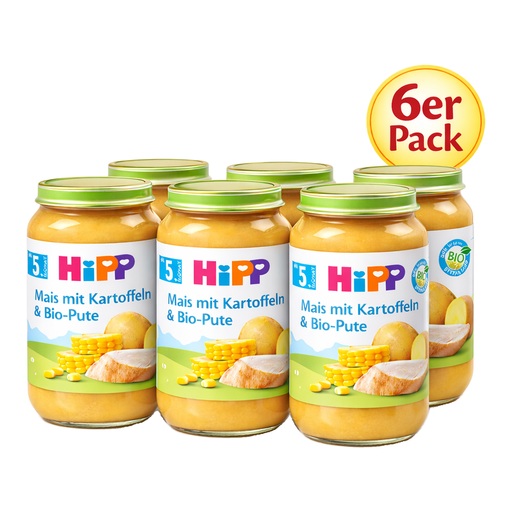
Why this product suits the profile: The pack of 6 contains six 190 g portions and is intended for starting complementary feeding from 5 months.
The age stage, portion size and ingredients are clearly stated. This makes it easier to compare with smaller individual jars.
Sweetcorn, potatoes and turkey; according to the product details, with no added salt and no artificial colours, flavours or preservatives.
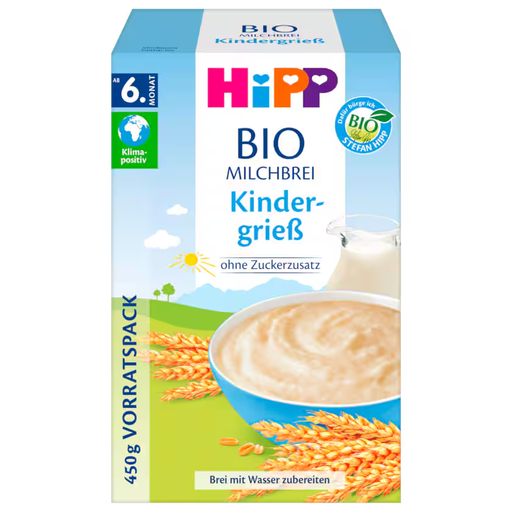
Why this product suits the profile: The milk porridge is intended for babies from 6 months and is prepared with hot water, keeping preparation straightforward.
The information indicates that it contains milk and wheat. Checking allergens in advance helps you make a more informed purchase rather than choosing solely on the basis of the organic label.
450 g value pack; according to the product description, with no added sugar and specified vitamins and minerals.
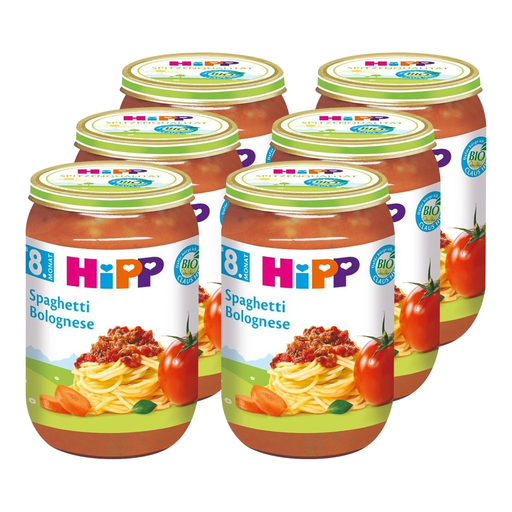
Why this product suits the profile: The multipack of 6 is ideal for families who regularly need a complete meal for babies from 8 months.
The from-8-months marking and information about gluten, wheat, celery and possible traces of egg make the choice easier to assess.
Six jars of 220 g each; according to the product details, with no added salt and rapeseed oil.
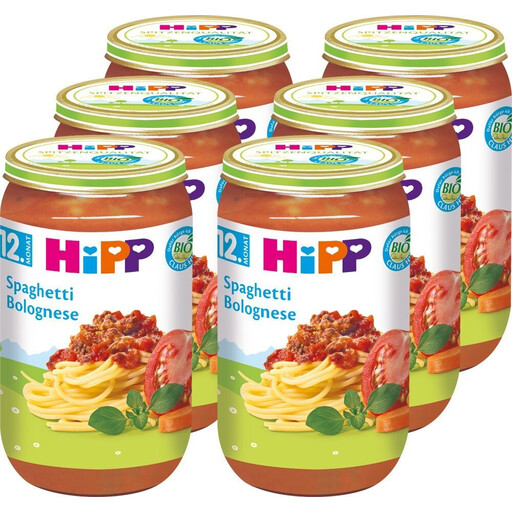
Why this product suits the profile: The 250 g portions are designed for toddlers from 12 months and are suitable for regular meals.
The product details explicitly state that it is suitable from 12 months and list allergens including wheat, gluten, egg and celery.
6 x 250 g; according to the nutritional information, 70 kcal and 0.28 g of salt per 100 g.
We have put together a complete, regularly updated list of products that fully meet these strict selection criteria and the safety regulations applicable in the EU.
Options for this age stage include mild vegetable preparations, rice flakes, 5-grain porridge and fruit products. The key factors are the specific marking on the packaging, the ingredients list and the desired consistency. New foods should be introduced in line with the child’s individual dietary situation.
HiPP evening porridge is intended as an evening meal and may contain milk and cereals. Milk porridge, such as semolina porridge from 6 months, is a specific product type with clearly stated milk and cereal ingredients. Allergens and preparation methods vary depending on the recipe and must always be checked on the label.
This depends on the product category. Unheated leftovers are generally sealed, stored in the fridge and used the following day; fruit preparations may specify a period of up to three days. Leftovers that have already been heated should not be reused. The information on the relevant packaging is always the deciding factor.