
Lieferung heute & morgen

Qualitätsgarantie

Willkommens-Angebote freischalten: KOSTENLOSE Lieferung | Bis zu 80 % RABATT | Kostenlose 30-Tage-JoyPlus-Testphase
App herunterladen
When a toddler is hungry, there is often little time in the family routine to prepare a separate meal. HiPP Kids Plate Meals from 1 Year offer a portioned option that can be heated quickly. Even so, parents should not base their decision solely on flavour or packaging design. The recommended age, ingredients, allergens and preparation instructions are more important when choosing a product than advertising claims.
An organic seal refers to the origin of the agricultural ingredients, but it does not replace checking the ingredients list. Organic children’s meals may contain pasta, milk, egg, fish, meat or celery, for example. The proportion of organic ingredients may also vary from one product to another.
Children’s meals from 12 months are intended for toddlers from the stated age. However, the consistency, seasoning and composition are not automatically equally suitable for every child. Before buying, parents should check the age recommendation on the current product label and take individual needs into account.
HiPP Plate Meals 250 g contain a set quantity. How much a child actually eats depends on factors including their age, appetite and other meals. An unopened portion can be practical, but leftovers should be handled according to the instructions on the packaging. For the products mentioned, portions that have already been heated are not intended to be used again.
For a toddler’s diet, it is advisable to take a close look at the ingredients list. You can choose according to the preferred focus:
Allergens are highlighted in the product information. Depending on the recipe, wheat, egg, milk, celery, mustard or fish, among others, may be relevant. In the case of a known allergy, only the information on the current packaging should be relied upon, as recipes can change.
The nutritional table should ideally be considered per 250 g portion, not only per 100 g. For several of the HiPP children’s meals listed here, the figures per pack are approximately 175 to 196 kcal, with around 6 to 8 g of protein and approximately 0.7 g of salt. These are product details, not a general recommendation for daily nutrition.
The main ingredients can also provide useful guidance. According to the product information, the ABC pasta dish with Bolognese sauce contains 45% tomatoes, 8% pasta, 5% carrots and 5% beef, among other ingredients. The ingredients list for the paella dish includes carrots, chicken, rice, sweetcorn, tomatoes, peas and peppers, among others.
The plate meals are intended to be heated in a bain-marie or microwave. Depending on the variety, the instructions may specify heating for approximately four to five minutes in a bain-marie or one minute at 450 watts in the microwave, for example. The precise instructions for the individual product always take precedence.
The following points are also important:
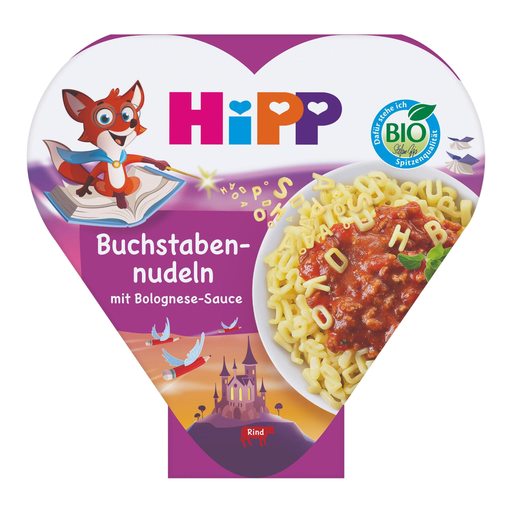
Why this product suits this profile: Pasta, tomato sauce and beef create a familiar combination for introducing portioned children’s meals that can be heated.
The ingredients list names the main components and indicates possible traces of milk and mustard. This makes it possible to assess the choice objectively before buying.
250 g portion, 175 kcal per pack according to the product information, and preparation in a bain-marie or microwave.
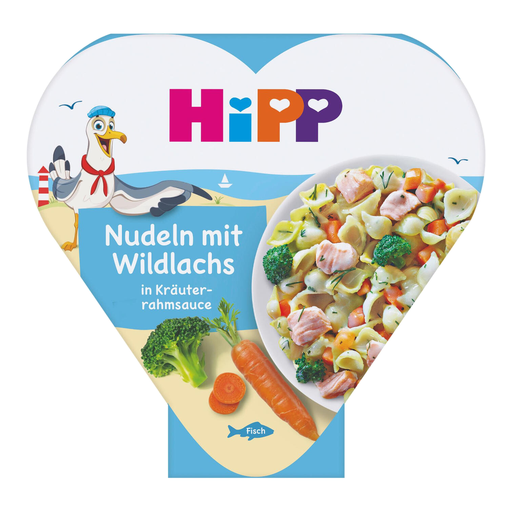
Why this product suits this profile: According to the product name, the recipe combines pasta with wild salmon, carrots, broccoli and herbs and is intended for children aged 1 to 3 years.
The ingredients information lists 9% salmon, 21% carrots and 8% broccoli. Fish and possible traces of celery and mustard should be taken into account before buying.
180 kcal and 7.8 g of protein per 250 g according to the product details; 82% of the agricultural ingredients are stated to come from organic farming.
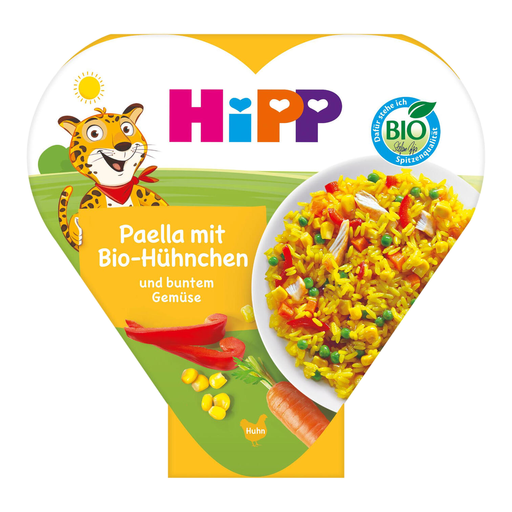
Why this product suits this profile: Rice, chicken and several types of vegetable are useful for childcare days when a hot meal is needed without extensive preparation.
The different vegetable ingredients are listed individually. Possible traces of milk, wheat, mustard, egg and celery are also indicated.
250 g contents, 186 kcal and 7 g of protein per pack according to the product information; rice and chicken are the main ingredients.
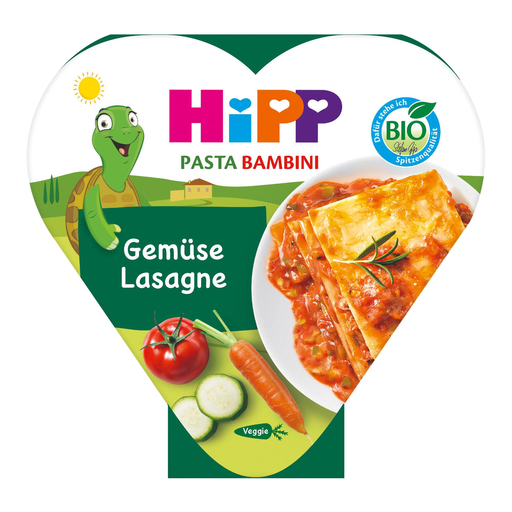
Why this product suits this profile: The recipe contains tomatoes, carrots and courgettes, offering a meat-free meal option with milk ingredients.
The main ingredients and allergens are clearly listed. Milk, hard cheese and possible traces of mustard should be considered when choosing meals for the family.
250 g contents, 196 kcal per pack and 41% tomatoes according to the product details; pasta content 8%.
We have put together a complete, regularly updated list of products that fully meet these strict selection criteria and the safety regulations applicable in the EU.
For a quick initial selection, parents can follow this order:
The selection of organic children’s meals can also be incorporated into the daily routine with fresh fruit, bread or another age-appropriate side dish. An individual ready meal is not a substitute for a varied diet. If you have questions about allergies, intolerances or your toddler’s individual nutritional needs, it is advisable to seek medical or professional nutritional advice.
Depending on the product, they are prepared in a bain-marie or microwave. When using a microwave, the lid film is usually pierced several times. The specific wattage and heating time are shown on the packaging and may vary depending on the appliance. The bowl must not be placed in the oven if this is prohibited in the instructions for use.
250 g describes the pack size, not a child’s individual needs. Some children eat the whole portion, while others eat only part of it. Age, appetite, other meals and individual development are the key factors. Storage and leftover instructions should be followed carefully.
This depends on whether the meal has been heated. For the products mentioned, leftovers that have already been heated should not be used again. Unheated leftovers may be refrigerated according to the manufacturer’s instructions and used within a limited period. The best-before date and the current information on the packaging are decisive.