
Lieferung heute & morgen

Qualitätsgarantie

Willkommens-Angebote freischalten: KOSTENLOSE Lieferung | Bis zu 80 % RABATT | Kostenlose 30-Tage-JoyPlus-Testphase
App herunterladen
Choosing HiPP organic baby food may seem straightforward at first glance. Many packs feature organic ingredients, age-appropriate recipes and claims such as “no added sugar”. However, other factors matter in everyday family life. These include the right age range, allergens, portion size, preparation and storage after opening.
This buying guide helps parents and carers avoid common purchasing mistakes and buy HiPP baby food that suits their child’s stage of development and daily routine.
A product can contain no added sugar and still contain sugar. This may come from fruit, milk or cereals, for example. The nutritional information for HiPP Organic Mango Strawberry in Apple lists 11.3 g of sugar per 100 g, even though no sugar has been added. When choosing a product, the ingredients list is therefore more informative than a single marketing claim.
When choosing baby porridge with no added sugar, parents should also check whether fruit juice concentrates or sweetening ingredients are included. “No added sugar” does not mean that the product has a neutral taste or is low in sugar.
“From 5 months”, “from 6 months” and “from 8 months” are not interchangeable marketing categories. The consistency, size of pieces and composition may vary. A finely puréed vegetable jar for the start of weaning is not automatically suitable for a child who is already chewing softer pieces.
Introducing complementary foods should be based on the child’s individual stage of development. If you have questions about nutrition or intolerances, advice from a paediatrician or qualified nutrition professional may be helpful.
A HiPP multipack often reduces the effort involved in reordering. However, it is only worthwhile if your child likes the variety, the age range is still suitable and you have enough storage space. Before buying, compare the shelf life, total quantity and weekly consumption. For products with a short shelf life after opening, choosing the right portion size is particularly important.
For the start of weaning from around 5 months, finely puréed vegetable products or gluten-free single-grain cereals may be suitable. According to the product information, HiPP Organic Rice Flakes Cereal from 5 Months consists of 100% organic rice flour and contains vitamin B1. It is gluten-free and can be prepared with water, milk or suitable infant formula.
From 6 months, milk porridges and combined fruit-and-cereal products may be worth considering. From 8 months, many meals contain finer pieces designed to support learning to chew. Products from 12 months generally have a firmer texture and a child-friendly consistency that is not completely puréed.
The ingredients list should be checked especially carefully for milk, gluten, wheat, egg, fish, celery and mustard. Individual allergies and intolerances also apply to organic baby food. The information on the packaging is authoritative, as recipes and labelling can change.
For milk and cereal porridges, vitamin B1 information is also relevant. According to the product description, HiPP Organic Good Night Porridge 3-Grain Flakes contains vitamins A, B1 and D as well as calcium. The stated portion is 190 g; the multipack contains six jars.
Jars and pots should be undamaged before use. According to the manufacturer’s instructions, opened leftovers that have not been heated should be stored in the fridge and consumed either the next day or within the stated period, depending on the product. Leftovers that have already been heated should not be used again.
Powdered porridges should be stored in a dry place, with the bag sealed securely. The HiPP Organic Milk Porridge Semolina pack, weighing 450 g, is prepared with hot water. Always refer to the packaging for the exact quantity and temperature.
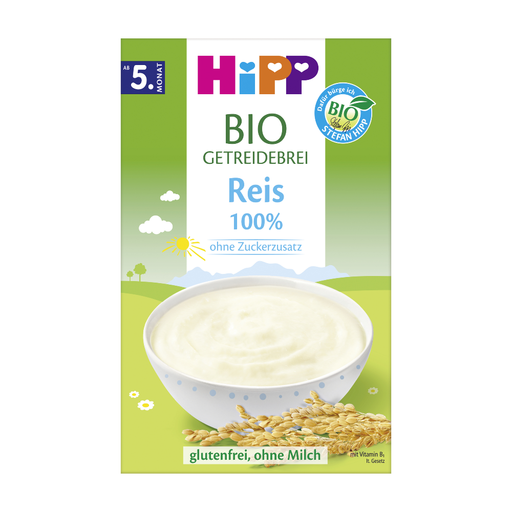
Why this product suits this profile: The seven-bag supply is ideal for families looking for a simple single-grain porridge for the start of weaning, with the flexibility to prepare it with water or milk.
The from-5-months age recommendation and single-grain recipe make gradual introduction easier. The “no added sugar” claim is clearly supported by the ingredients list.
100% organic rice flour according to the product information, gluten-free and enriched with vitamin B1; total quantity 1,400 g.
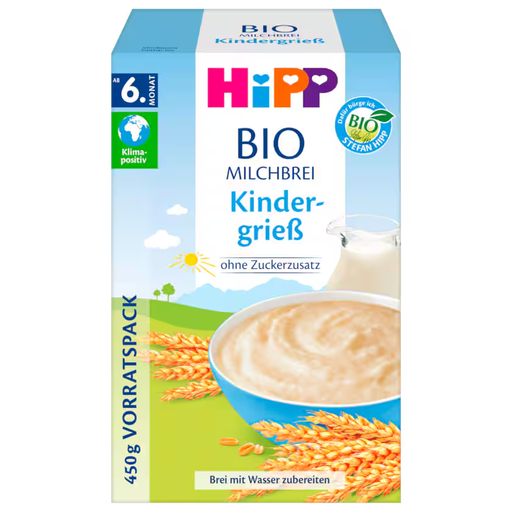
Why this product suits this profile: This milk porridge is ideal for families who prefer a warm, quick-to-mix porridge made with organic cereals and clearly stated vitamins.
The preparation instructions using water are clearly explained. The from-6-months age recommendation helps ensure that the product is not chosen based solely on pack size.
Organic wholegrain cereals, milk ingredients and stated quantities of calcium, iron and vitamin B1 according to the product data.
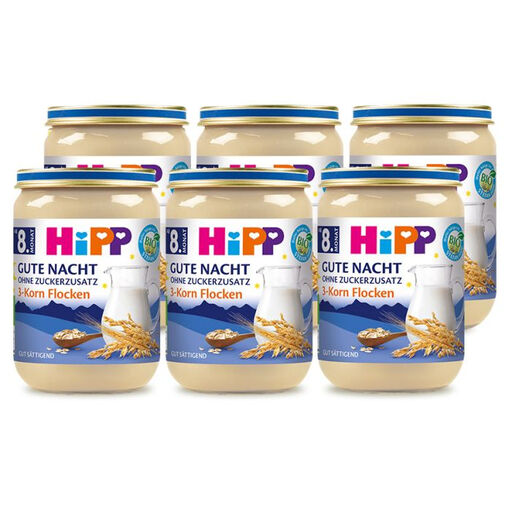
Why this product suits this profile: This multipack is ideal for families who want to serve a ready-to-eat evening porridge regularly, either warm or cold.
The pack size and age range are clearly stated. Before buying, check the gluten and milk ingredients.
Six 190-g jars, no separate mixing required, plus vitamins A, B1 and D and calcium according to the product description.
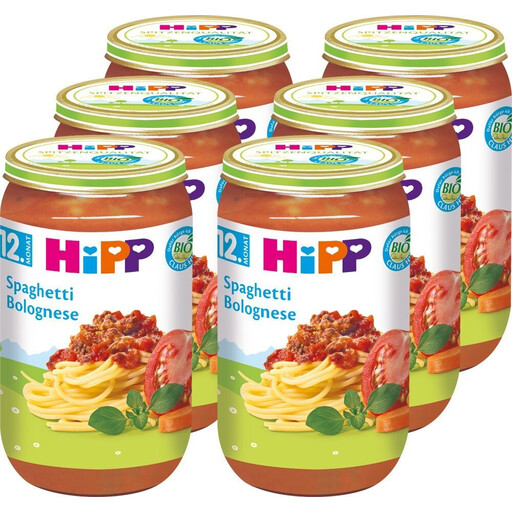
Why this product suits this profile: Six complete meal portions are practical for households that regularly need a quick meal for toddlers.
The from-12-months age recommendation and soft pieces are clearly stated. Before buying, check the information on egg, wheat and celery.
Six 250-g portions, low salt content according to the product data and fine pieces to support gradual learning to chew.
We have put together a complete, regularly updated list of products that fully meet these strict selection criteria and the safety regulations applicable in the EU.
It depends on the individual product. The range includes products for baby food from 5 months, from 6 months, from 8 months, from 10 months and from 12 months. The age recommendation on the packaging and the child’s stage of development are the deciding factors.
This depends on the product. Unused leftovers that have not been heated should be stored covered in the fridge and used within the stated period. Heated leftovers should not be put back in the fridge. The specific information on the label takes precedence.
No. “No added sugar” means that no sugar has been added. Fruit, milk and cereal products may naturally contain sugar. For an objective assessment, read the ingredients list and nutritional information together.