
Lieferung heute & morgen

Qualitätsgarantie

Willkommens-Angebote freischalten: KOSTENLOSE Lieferung | Bis zu 80 % RABATT | Kostenlose 30-Tage-JoyPlus-Testphase
App herunterladen
The search for a new large-screen TV can quickly become overwhelming. Manufacturers advertise with a flood of technical terms, but not all of them deliver on their promises. Especially with models like the Hisense 75E77Q PRO, many buyers wonder which features truly matter. As your Joybuy Product Recommendation Officer, I'll help you separate marketing hype from relevant technology and make the right decision for your home cinema or gaming setup.
Before you invest, you should be aware of three common pitfalls that often lead to disappointment:
To make an informed purchasing decision, you should focus on the technical parameters that directly impact the viewing experience.
The refresh rate, measured in Hertz (Hz), indicates how many frames per second a display can show. While 60 Hz is sufficient for movies and series, a higher frequency is crucial for demanding gaming. A 4K QLED TV with a 144Hz native refresh rate can fully leverage the power of modern consoles and PCs. The result is a visibly smoother and sharper depiction of fast movements, which offers a tangible advantage, especially in action games. Always look for the term "native" in the spec sheet to avoid falling for pure software optimisations.
HDR technology enhances the contrast and colour spectrum of an image. Static formats like HDR10 use the same metadata for an entire film. Dynamic formats like Dolby Vision IQ go a step further: they adjust brightness and contrast scene by scene. Additionally, the "IQ" variant uses a light sensor integrated into the TV to adapt the picture to the ambient lighting in the room. This gives you an optimised picture day or night, without having to manually change settings.
A modern 75-inch gaming TV should serve as the central hub for your entertainment system. For this, multiple HDMI 2.1 ports are essential. Only this standard supports the full bandwidth for features like:
Here are some recommendations tailored to different user profiles that meet the quality criteria mentioned.
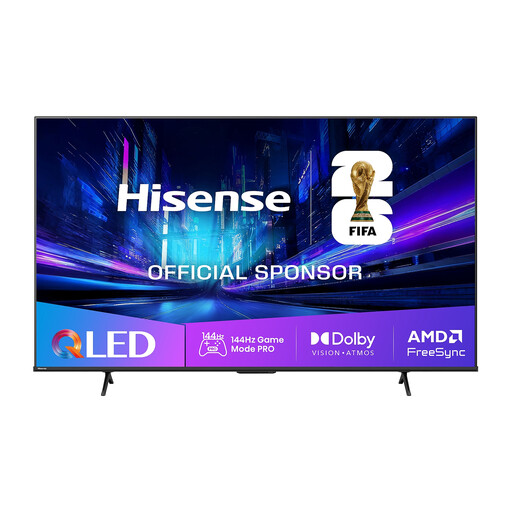
Why This Fits Their Persona: Ideal for users who want both next-gen gaming and high-quality home cinema without compromise. The combination of size, speed, and intelligent picture technologies offers excellent value for money for tech enthusiasts.
This model features a native 144Hz panel, supports Dolby Vision IQ, and offers four HDMI 2.1 ports. It thus avoids all the pitfalls mentioned and is equipped for current and future demands.
The combination of QLED technology for vibrant colours and the high refresh rate makes it a versatile device for gaming and movies. The fast VIDAA OS TV operating system also allows for swift access to all major streaming apps.
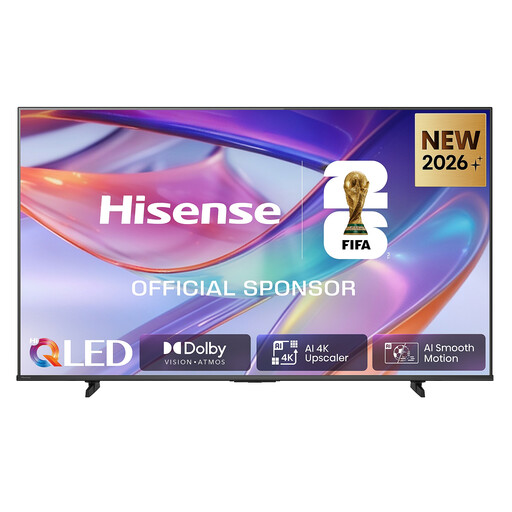
Why This Fits Their Persona: Perfect for anyone seeking an impressive 189 cm (75-inch) TV experience for movies and streaming but who doesn't have the budget for high-end gaming features. It offers excellent picture quality for everyday use.
This model provides a high-quality audiovisual foundation with Dolby Vision IQ and Dolby Atmos. It deliberately omits an expensive 144Hz panel, opting for a solid 60 Hz, which is perfectly adequate for streaming and traditional TV, keeping the price attractive.
The main advantage is the large QLED screen with advanced HDR support at an accessible price. The integrated AI 4K Upscaler also ensures that even older content is displayed in appealing quality.
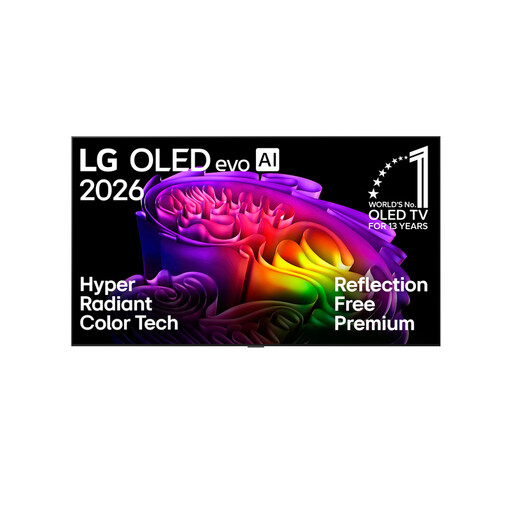
Why This Fits Their Persona: For users where picture quality is the top priority and budget is a secondary concern. The OLED technology offers unsurpassed contrast and black levels for a top-tier cinematic experience.
This premium model sets the standard with a native 165Hz panel, perfect HDR implementation through Dolby Vision, and four HDMI ports. It not only meets the criteria but redefines them in many areas.
The key advantage is the OLED evo panel technology. Each pixel is self-emissive, resulting in perfect blacks, infinite contrast, and extremely vibrant colours. Support for NVIDIA G-Sync and AMD FreeSync Premium completes the package for gamers.
We have compiled a complete, real-time list of products that fully satisfy these strict selection criteria and UK safety regulations.
QLED TVs (like those from Hisense) use an LED backlight and a layer of quantum dots to produce colours. They achieve very high brightness, making them ideal for bright living rooms. OLED TVs (like those from LG) have self-emissive pixels that can be turned on and off individually. This allows for perfect blacks and extremely high contrast, which is particularly effective in darkened rooms.
Yes, to use the full performance of a 4K TV with 144 Hz, you need an Ultra High Speed HDMI cable. Only these cables are certified for the HDMI 2.1 standard and can handle the required 48 Gbps data rate for 4K resolution at 120 or 144 Hz. Standard HDMI cables are not sufficient.
For a 75-inch TV (approx. 189 cm diagonal), a viewing distance of about 2.3 to 3.8 metres is recommended for an immersive 4K experience. Within this range, the image comfortably fills your field of view without you seeing individual pixels or having to move your head to see all the action.