What to look for when choosing
When cataloguing historical book titles with linked source files, the right keyboard depends on what matters most in your day-to-day work.
| Priority |
What to check before buying |
Who is this especially important for? |
| Entering historical characters |
Test typical names and titles from the moment you press a key to when the entry is saved. Check which characters your operating system and cataloguing software actually accept. |
If I need to record historical spellings accurately, entering the required characters is my top priority. Around 25% of consumers are likely to prioritise this accuracy. |
| Typing posture during long sessions |
Compare the position of your hands, mouse and source material at your workstation. If you’re considering a split keyboard, try its different layout first. |
People entering long records pay particular attention to whether the keyboard and work surface suit their posture. Consumers with this priority are likely to make up around 25%. |
| Switching between the catalogue and sources |
Check that the shortcut or macro feature you want works with your system and cataloguing software. Test a saved entry and its link. |
If I want to speed up repetitive steps involving source files, my software needs to support those workflows. Around 19% of consumers are likely to prioritise this way of working. |
| Desk space or a number pad |
Count the numerical entries in your catalogue form and allow space for your mouse and source material. The DGUV lists compact keyboards as an option if you enter few numbers or mainly use your mouse. |
If I often use the mouse to switch between the catalogue and sources, extra desk space may matter more than a separate number pad. Consumers who prioritise space are likely to make up around 19%. |
| Easy set-up and maintenance |
Check that the connection type matches the ports on your devices and whether the additional features you want require software. Follow the care instructions for the model you choose. |
People who prefer a straightforward connection and simple maintenance will mainly want to check their available ports and cleaning options. Around 12% of consumers are likely to prioritise this. |
Keyboards at Joybuy
The Joybuy models below have a German QWERTZ or ISO-DE layout. They differ in features including their size and customisation options.
 No image available
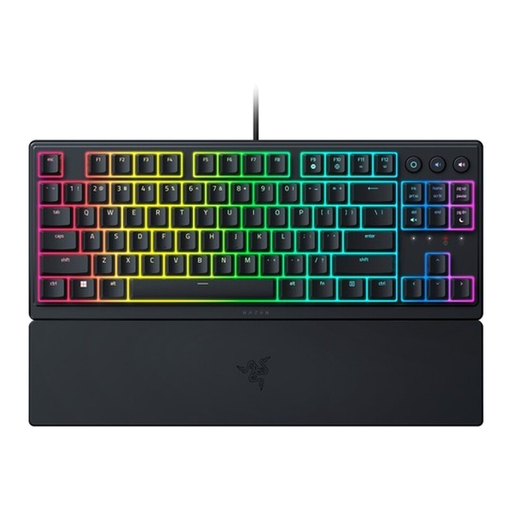
Razer Ornata V3 Tenkeyless, German layout
The tenkeyless format is an option if you’d like more room for mouse movements while working with your catalogue and source files.
German layout; no number pad.
View at Joybuy
 No image available
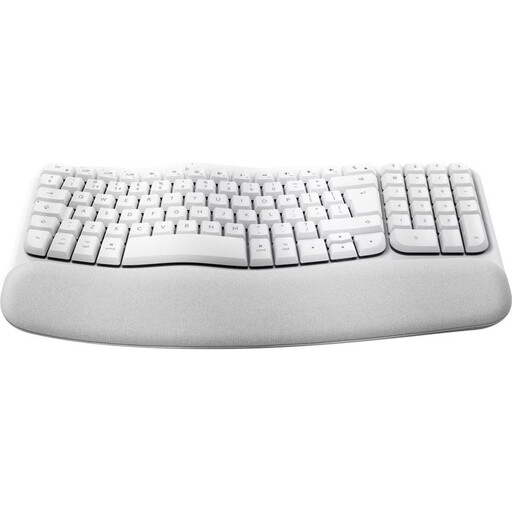
Logitech 920-012404 Ergonomic Wave, German QWERTZ, grey and white
The Wave shape and wrist rest are design features you can compare with your own working position during longer typing sessions.
Bluetooth; German QWERTZ layout; quiet membrane keys; wrist rest.
View at Joybuy
 No image available
CHERRY MX-LP 2.1 Wireless, 65%, German QWERTZ
The compact design is an option if you need more desk space around your keyboard. Consider whether you’ll be comfortable without the keys omitted from a smaller layout when cataloguing.
MX Speed low-profile switches; connects via 2.4 GHz, Bluetooth or USB-C; white.
View at Joybuy
 No image available
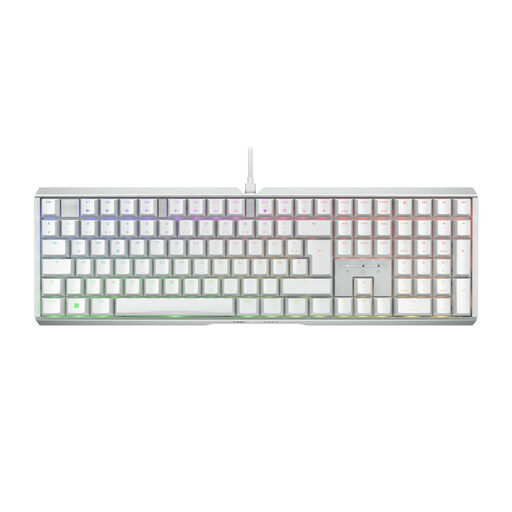
CHERRY XTRFY MX 3.1, MX2A Brown, German layout
The full-size layout is an option if you want a complete set of keys for cataloguing.
Mechanical keyboard; MX2A Brown switches; wired USB connection; white.
View at Joybuy
 No image available
Ticktype EVO75 Custom, ISO-DE, hot-swappable, VIA compatible
The ISO-DE layout is an option if you want to check the specific key arrangement for your historical entries. Programmable keys and macros are only useful if your cataloguing software supports the steps you want to automate.
Mechanical keyboard; Creamy Rye switches; hot-swappable; three-mode wireless connection.
View at Joybuy
Frequently asked questions
Do I have to use an E1 keyboard for historical titles?
No. Cataloguing a book collection doesn’t mean you have to use a particular layout. DIN Media describes additional input options in DIN 2137-1; what matters is whether your operating system and cataloguing software accept the characters in your specific source material.
Will a programmable key automatically create valid links to source files?
No. Logitech lists Smart Actions for the MX Keys S, but whether a workflow can create a valid file link in your specific cataloguing software depends on its features. Test an entry and open the saved link.
When is a keyboard without a number pad a good choice?
It may suit you if you enter few numerical details and need room for your mouse. The DGUV considers compact keyboards in these working conditions; a separate number pad may be more practical if you enter numbers frequently.
How should I clean a keyboard at my cataloguing workstation?
Follow the instructions for your specific model. Bitkom advises avoiding harsh substances and keeping liquids out of the device.
What should I consider when setting up a workstation with a screen for work?
For workstations covered by the Workplace Ordinance, ASR A6 sets out requirements for workplaces, including those with computer screens and home-working setups. Having a private book collection doesn’t in itself mean these requirements apply. The DGUV recommends arranging input devices to suit the task as a helpful workstation design principle.


