What should you check before buying?
First, compare your pan and preferred cooking method with the cooking zone. Then decide whether a portable appliance or a built-in hob is right for your kitchen.
Portable induction hob
Suitable if: you’re looking for an extra cooking spot without installation and your pan base is induction-compatible.
Things to consider: Pan size compatibility varies by model. Rommelsbacher specifies pans with a diameter of up to 230 mm for the CT 3410/IN.
Built-in induction hob
Suitable if: you regularly cook polenta and other dishes at the same time on several zones. Siemens lists five cooking zones and three flexible areas for the EX975LXC1E.
Things to consider: The Siemens model is 90 cm wide and, according to Siemens Hausgeräte Deutschland, is supplied without a plug. You’ll need to plan for the dimensions and a suitable electrical connection.
Conventional electric ceramic hob
Suitable if: you want a built-in electric hob without needing to check whether your pans are induction-compatible.
Things to consider: Check the actual heated zone, installation type and connection requirements for the specific model. A roasting zone alone doesn’t tell you whether your round pan will fit well.
| What matters to you |
What to check before buying |
Who should pay particular attention? |
| Gentle simmering |
Power settings and the instruction manual; follow the recipe’s guidance on stirring while cooking. |
If you want to adjust the heat as the polenta thickens and keep stirring as the recipe instructs, pay particular attention to the controls. Around 33 % of consumers put gentle simmering first. |
| Large pan for batch cooking |
Measure the flat base of the pan and compare it with the usable cooking zone and the model specifications; for induction, check that the base is compatible. |
If I’m cooking a larger quantity in one pan, its base needs to fit the cooking zone. Around 27 % of consumers prioritise pan size. |
| Cooking spot without installation |
Compare the available counter space, appliance dimensions and plug type with the specifications for the model you’re considering. |
If you want an extra cooking spot without renovating, consider where you’ll place it and how it connects. Around 20 % of consumers prioritise a portable option. |
| Cooking several dishes at once |
Check the layout and spacing of the zones, as well as the cut-out and connection requirements for built-in appliances. |
If you want to cook polenta and side dishes at the same time, you’ll need enough room for several pans. Around 20 % of consumers prioritise being able to cook several dishes at once. |
Induction hobs at Joybuy
The induction hobs below offer a range of zone layouts and installation options. Check that your pan base matches the cooking zone. For built-in models, you’ll also need to make sure the cut-out and connection are suitable.
 No image available
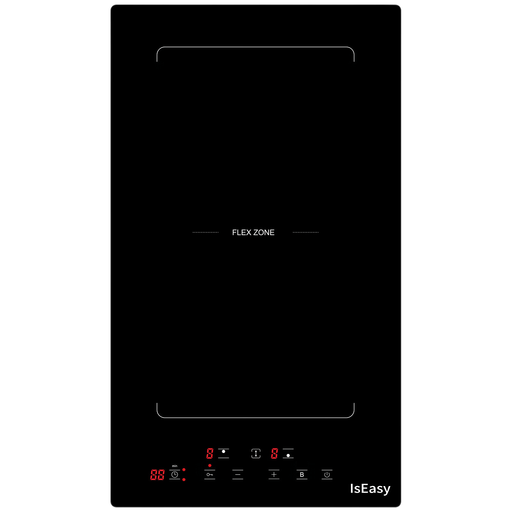
Induction hob with flexible zones
Flexible zones may be useful when positioning a larger pan. Check the specifications for the appliance you’re considering to make sure it’s suitable for your pan base.
View at Joybuy
 No image available
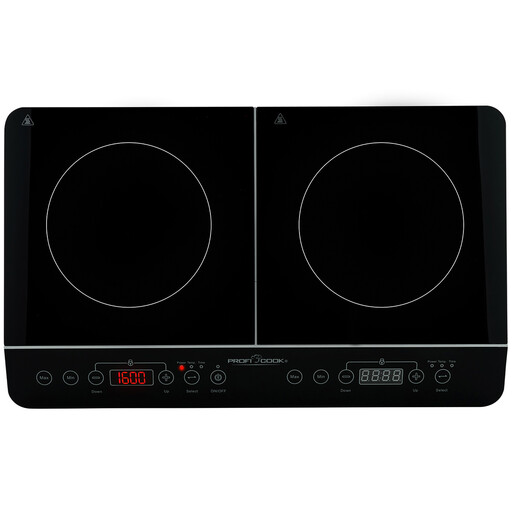
ProfiCook PC DKI 1067 double induction hob, 10 settings, up to 240 °C
The double hob has two cooking zones for preparing dishes at the same time. The product name lists ten settings and a maximum temperature of 240 °C. Check which setting suits your recipe.
View at Joybuy
 No image available
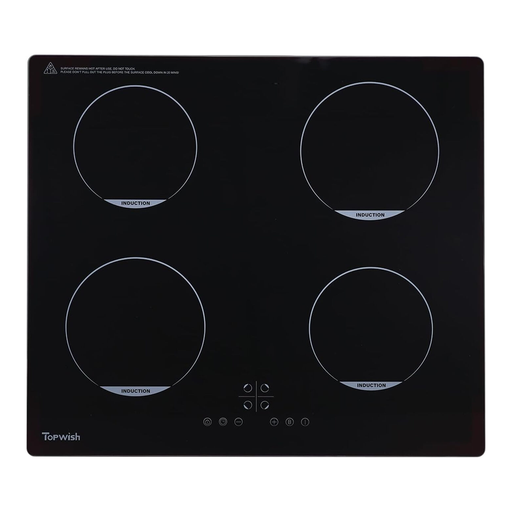
TOPWISH 60 cm built-in induction hob with 4 zones
Four zones may be useful if you want to use several pans at once. As a built-in appliance, this model needs a suitable cut-out and, according to the product information, must be installed by a qualified electrician.
View at Joybuy
 No image available
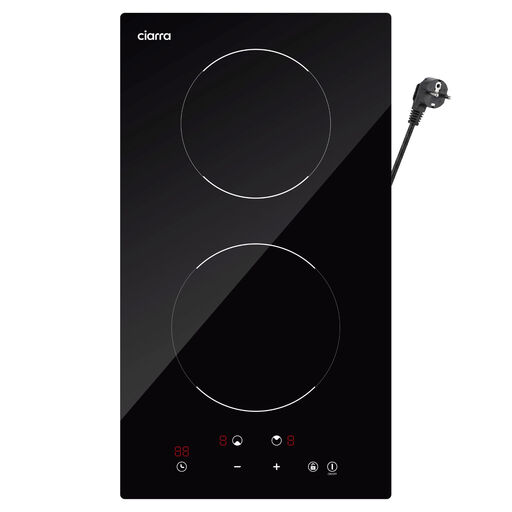
CIARRA CRGDBIH2, 3000 W, built-in induction hob with 2 zones
The product name lists two cooking zones and nine power levels; the specified cut-out measures 270 × 490 mm. Check that the dimensions and connection are right for your kitchen.
View at Joybuy
 No image available
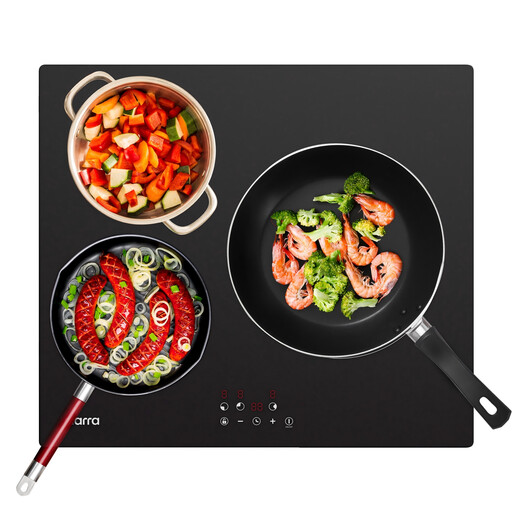
CIARRA CRGBIH3, 5600 W, induction hob with 3 zones
Three cooking zones and nine power levels may be useful when preparing several dishes at once. For installation, the product description specifies a cut-out of 560 × 490 mm and recommends using a qualified electrician.
View at Joybuy
Frequently asked questions
Do I still need to stir polenta on an induction hob?
Yes. Follow the recipe you’re using rather than relying on a sensor or timer function alone. The Alnatura recipe referenced here calls for stirring while the polenta first simmers, then stirring it occasionally as it thickens.
Can I use SenseBoil® for polenta made with milk?
Don’t rely on SenseBoil® to cook polenta. According to AEG’s support information, the function is designed to heat water, not other liquids. Check the instructions for the specific hob, too.
Can I connect a built-in hob without a plug myself, like a portable hotplate?
No. A built-in appliance without a plug shouldn’t be treated like a portable plug-in appliance. Bosch and Siemens specify that the built-in models described here must be connected by a qualified electrician. Ask a qualified professional to check the requirements for the specific appliance.
How should I store a larger batch of prepared polenta?
The German Federal Institute for Risk Assessment recommends cooling hot food quickly to below 7 °C before storing it for longer. Perishable food should be kept in the fridge at between 2 °C and 7 °C at most. A keep-warm setting doesn’t guarantee that the whole dish is at a safe temperature.
Is there an EU energy label for hobs to compare running costs?
No. According to Verbraucherzentrale, a cooker’s energy label rates the oven, not the hob. It can’t tell you how much electricity or money you’ll save when cooking a batch of polenta.


