
Lieferung heute & morgen

Qualitätsgarantie

Willkommens-Angebote freischalten: KOSTENLOSE Lieferung | Bis zu 80 % RABATT | Kostenlose 30-Tage-JoyPlus-Testphase
App herunterladen
Choosing a new hob can quickly become overwhelming. Manufacturers advertise numerous features, but not every innovation is truly relevant for everyday use. As a Joybuy Product Recommendation Officer, I'll help you distinguish the important features from the superfluous ones and make an informed decision that fits your kitchen and your budget.
Many buyers fall into two common traps:
To avoid a poor investment, you should check three core technical aspects. These determine not only the performance but also the long-term running costs and safety in your kitchen.
The technology is the most fundamental decision. The two most common electric variants are the induction hob and the glass-ceramic hob (often called a ceramic hob).
The design must suit the conditions of your kitchen.
Built-in hobs, especially models with four or more zones, often have a high power rating (e.g., 6,000 to 7,400 watts) and require a high-voltage connection (three-phase, 400 V). The installation must be carried out by a qualified electrician. Before buying, check whether the electrical prerequisites are met in your kitchen to avoid unexpected costs for rewiring. Mobile hotplates, on the other hand, can be operated from a standard earthed socket (230 V).
Based on these objective criteria, we have compiled a selection of models suitable for different needs and lifestyles.
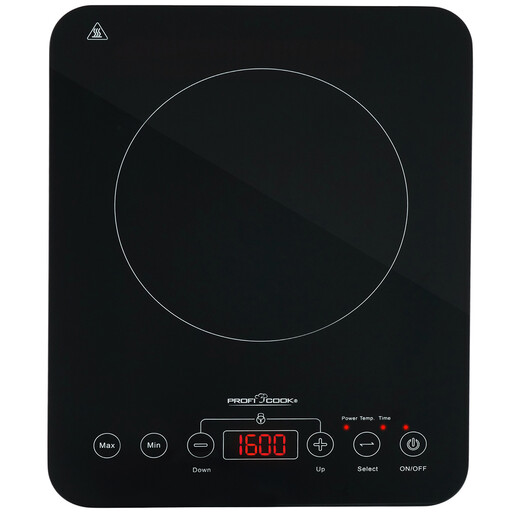
Why This Fits Their Persona: Ideal for students, tenants in small apartments, or as a supplementary hob in the kitchen. This mobile hotplate offers the benefits of induction technology without the hassle of installation.
It incurs no installation costs as the device plugs into a standard socket. The initial cost is low, and you can easily check if your existing pots are magnetic before investing.
Efficiency and Safety: Delivers fast, energy-saving cooking with induction technology and safety features like pan detection and overheat protection.
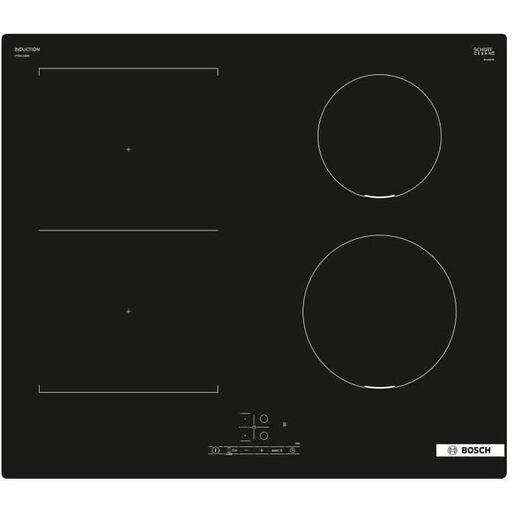
Why This Fits Their Persona: A reliable and efficient solution for the family kitchen. This self-sufficient 60 cm induction hob offers proven brand quality and useful features for daily use.
Focuses on essential features like PowerBoost for rapid heating, rather than complex programmes that drive up the price. It's an investment in durability and efficiency, not in marketing gimmicks.
Practical Features: The Re-Start function saves the last setting in case of accidental shutdown. The TouchSelect controls are intuitive, and the glass-ceramic surface is easy to clean.
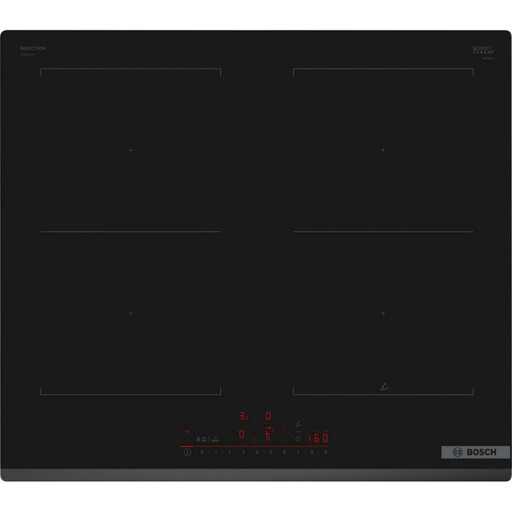
Why This Fits Their Persona: For those who cook more than just standard meals. The flexibility of the CombiZone allows for the use of large roasting pans or teppanyaki grill plates, offering more creative freedom.
The CombiZone is a targeted investment in a feature with high practical value for ambitious cooking. Instead of many vague programmes, it offers a concrete, understandable expansion of cooking possibilities.
Flexibility and Performance: The ability to combine two cooking zones into one large area ensures even heat distribution for large cookware. The high total power of 7400 W enables rapid cooking.
We have compiled a complete, up-to-date list of products that fully meet these strict selection criteria and German safety regulations.
Yes, in most cases. Induction only works with pots and pans that have a ferromagnetic base. You can test this easily: if a magnet sticks to the base of the pot, the cookware is suitable for an induction hob. Cookware made of pure aluminium, copper, glass, or ceramic will not work.
A self-sufficient hob is a standalone unit with its own controls, which is built into the worktop independently of an oven. A hob and oven set is a combination of a hob and an oven where the hob is controlled via the controls on the oven. These appliances are installed together.
The cost of installing a built-in hob by a qualified electrician can vary, but it typically ranges between €100 and €250. The price depends on whether a suitable high-voltage connection is already in place or if it needs to be installed. It's best to get a quote from a local professional in advance.