For cooks serving food later
If a portion won’t be served until later, you’ll need to decide whether to keep the sauce hot under controlled conditions or chill it promptly. The BfR offers guidance on keeping cooked food hot.


First, check whether your pan is suitable for induction. Cast-iron and electrically heated ceramic-glass hobs are also options if your cookware is not induction-compatible. If you’re serving mushroom sauce later, keeping it hot means checking the temperature of the food throughout, not relying on a keep-warm function alone. The Federal Institute for Risk Assessment (BfR) recommends keeping food at a minimum of 60 °C until it is served. If you can’t monitor this reliably, chilling the portion promptly is an alternative.
If a portion won’t be served until later, you’ll need to decide whether to keep the sauce hot under controlled conditions or chill it promptly. The BfR offers guidance on keeping cooked food hot.
If you want to turn down the heat after frying, look for controls that are easy to reach and understand. Dr. Oetker’s mushroom sauce recipe says to sauté the mushrooms over a medium heat, but it doesn’t specify a particular hob setting.
Before you buy, check that the base of your pan is suitable for induction and matches the hob’s stated size range. For other types of pan base, you could consider a cast-iron or radiant ceramic-glass hob.
A good fit if: your pan has an induction-compatible base and you want to adjust the heat between frying and cooking at a lower temperature.
Bear in mind: the pan material and base diameter must be compatible with the specific model. A hob setting doesn’t tell you the temperature of the sauce throughout.
A good fit if: you want to keep using a pan you already own that isn’t induction-compatible.
Bear in mind: according to the manufacturer comparison, cast iron heats up more slowly and retains heat for longer. This residual heat may continue heating the sauce after you turn the hob down.
A good fit if: your pan isn’t induction-compatible and you’re looking for an electrically heated cooking zone.
Bear in mind: the Rommelsbacher CT 2200/E is not an induction hob. Its residual heat indicator shows that the surface is hot, not the temperature of the sauce.
| What matters | What to check before buying | Who it matters most to |
|---|---|---|
| Serving a portion later | Controls for adjusting the heat; check the food itself rather than relying on the hob display alone. | If a portion won’t be eaten until later, I want to keep it hot under controlled conditions or chill it promptly. Around 36% of consumers rate serving a portion later as their most important buying consideration. |
| Adjusting the heat while cooking | Compare the power settings or control dial on the specific model, and check whether they’re easy to reach while stirring. | When moving from frying to the next stage of cooking, I want to be able to adjust the heat easily. Around 29% of consumers say heat control when making sauce is their top priority. |
| Using a pan I already own | Check the pan base material and diameter against the hob’s requirements. | If I want to keep using my sauce pan, it needs to be compatible with the hob. Around 21% of consumers put compatibility with their existing pan first. |
| Space and cooking zones | Measure the available surface area, including room for the pan handle, and check whether you really need a second cooking zone at the same time. | If I want to cook a side dish at the same time as the sauce, I’ll need another cooking zone and enough space. Around 14% of consumers prioritise an extra cooking zone or the available worktop space. |
A function on the appliance or a sensor doesn’t prove that the mushroom sauce is hot enough throughout. The BfR recommends keeping cooked food at a minimum of 60 °C throughout until it is served.
Check the food itself if you’re keeping it hot. If you can’t ensure that it stays at the right temperature, chill the portion you’ll serve later promptly rather than keeping it warm without monitoring it.
A pan with a base that isn’t induction-compatible won’t heat as intended on an induction hob.
Before choosing induction, check the material and diameter of your pan base against the specifications for the specific model.
According to the manufacturer comparison, cast iron retains heat for a long time. On the Rommelsbacher CT 2200/E, the residual heat indicator shows that the cooking surface is still hot.
Turn the heat down in good time, and remember that the surface may still be hot when moving or cleaning the hob.
The TC 2400 Thermo Control is worth considering if you have an induction-compatible pan and want a way to monitor the temperature.
The CTS 2000/IN and CT 2200/E represent different types of hob, with different requirements for cookware and controls.
The KP 1091 is a portable single-zone cast-iron hob for anyone who wants to use a pan they already own that isn’t induction-compatible.
The EKP 3582 is an electric single-zone hob with a cast-iron surface, suitable for a sauce pan you already own.
The products below are single- and dual-zone hobs for preparing sauce or reheating it later. With induction, your cookware must be compatible. A hob setting is no substitute for checking the food’s temperature.
 No image available
Continuously variable temperature control makes it easy to adjust the heat while cooking or reheating sauce later.
One cooking zone; 18 cm diameter heating ring. Use only cookware with a flat, stable base. The cooking surface gets hot during use and must be allowed to cool completely before cleaning.
 No image available
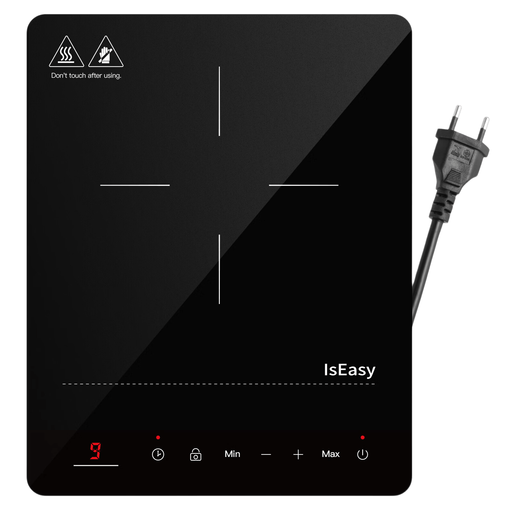
Nine heat settings and the Max/Min function give you a choice of settings for different stages of cooking.
One cooking zone, an 8-hour timer and child lock. Induction requires suitable magnetic cookware; the settings don’t indicate the temperature of the sauce throughout.
 No image available
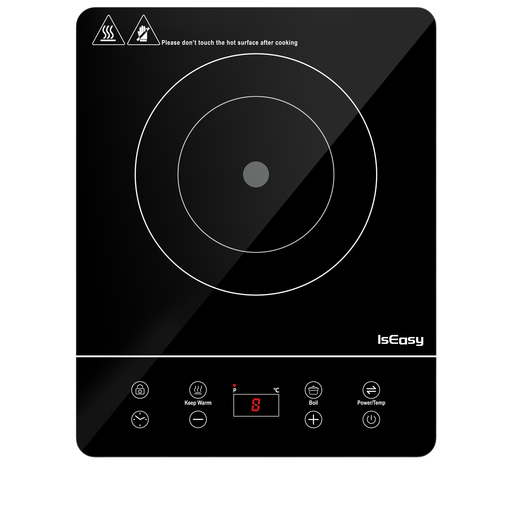
Nine power levels and an external sensor are worth considering if you want to use different settings while cooking and monitor the temperature.
Nine temperature settings, 28 cm, an 8-hour timer, child lock and 220–240 V. The product description specifies magnetic cookware with a diameter of 12–26 cm. A sensor is no substitute for checking the sauce throughout.
 No image available
Two independently controlled cooking zones are an option if you really do want to prepare another dish at the same time as the sauce.
Five temperature settings; according to the product name, suitable for simmering and keeping food warm. Induction requires suitable cookware. A keep-warm function doesn’t guarantee that the sauce stays hot enough throughout.
 No image available
Five heat settings and a control dial give you a choice of settings for a portable single cooking zone.
One cooking zone; according to the product name, designed for home use, camping and motorhomes. Induction requires suitable cookware.
No. The setting alone doesn’t prove that the sauce is at a safe temperature. The BfR recommends keeping cooked food at a minimum of 60 °C throughout until it is served. If you can’t ensure this, chill the portion you’ll serve later promptly rather than keeping it warm without monitoring it. This recommendation doesn’t relate to any specific hob model.
Only if the pan base is induction-compatible and fits the size range of the specific model. If your pan isn’t suitable, you could use a cast-iron hob or an electrically heated ceramic-glass hob instead.
Compare the appliance dimensions and setup instructions in the manual with the space available. Let the cooking surface cool before cleaning; even an induction cooking surface can be hot after use.
No. A voluntary manufacturer’s guarantee may offer additional benefits, but it can’t reduce your statutory rights. According to Your Europe, consumer purchases in the EU have a minimum two-year legal protection period. Check the terms of any additional guarantee separately.
The EU Low Voltage Directive covers electrical equipment with an AC voltage of 50 to 1,000 V; the voltage stated for a 230-V model falls within this range. Check the labelling and safety instructions for the specific appliance. The Federal Network Agency explains that the CE marking is the manufacturer’s declaration of conformity, not an independent quality mark for cooking sauce.