Families with a large soup pot
If you’re cooking a larger portion, compare the base of your pot with the available surface and size of the cooking zone. A portable hob may also have a maximum weight limit.


Choose a hob based on whether your soup pot fits the usable cooking zone and whether you want to cook a side dish on a second zone at the same time. Induction requires compatible cookware; a portable single hob doesn’t need to be built in, but it does occupy its only zone while you’re cooking. For a built-in hob, the cut-out and electrical connection must be suitable for the specific model.
If you’re cooking a larger portion, compare the base of your pot with the available surface and size of the cooking zone. A portable hob may also have a maximum weight limit.
If you want to cook soup and another dish at the same time, consider how many cooking zones you can use simultaneously.
If you’re looking for a portable hob or want to keep using your existing pans, check that they’re compatible with the heating technology of the specific appliance.
First compare your pot with the cooking zone, then consider how many zones you’ll need at once, followed by installation, connection and cookware.
| What you need | What to check before buying | Who it matters most to |
|---|---|---|
| Pot and cooking zone | The diameter of the pot base and whether it’s suitable for induction; for portable hobs, also check the specified pot size and weight limit. | If I’m using a large, full soup pot, I want to check that its base is compatible with the heating surface. Around 33% of consumers say that pot compatibility is their main concern. |
| Cooking more than one dish at a time | The number of cooking zones you need and the usable size of each one. | If I’m cooking a side dish as well as soup, I need another zone for it. Around 27% of consumers say that cooking multiple dishes at once is their main concern. |
| Positioning and connection | For built-in appliances, check the cut-out and connection requirements for the exact model; for portable hobs, make sure you have a suitable place to use it. | If you don’t want a permanently installed hob, positioning and connection are particularly important. Around 20% of consumers say this is their main concern. |
| Cookware and ongoing costs | Check whether your existing pans are suitable for induction, and factor in the cost of any cookware or connection work you may need. | If I want to keep my pans and avoid extra purchases where possible, the right heating technology matters. Around 20% of consumers say cookware and ongoing costs are their main concern. |
The wattage doesn’t tell you whether your existing pot is suitable for induction, fits the cooking zone or stays within the weight limit of a portable hob.
Measure the base of your pot and compare it with the specifications for the exact model. For a portable hob, also include the weight of the filled pot in your comparison.
While your soup pot is using the only cooking zone, you can’t heat a side dish on the same hob at the same time.
Before choosing, think about how many pots you’ll want to have on the hob at once.
Manufacturers’ cut-out and connection specifications can vary from one model to another.
Check the dimension drawing and connection requirements against the exact model number. If electrical work is needed, follow the requirements for carrying it out.
A glass-ceramic surface alone doesn’t tell you whether the hob uses induction or radiant heating underneath. The cookware requirements depend on the type of heating.
Check the product description to confirm which heating technology the hob uses.
The examples below relate to specific product ranges and models. They aren’t a general assessment of the brands or a statement about availability.
Built-in induction hobs with a range of cooking zone layouts.
Built-in induction hobs, including a 90 cm model with five cooking zones.
Portable hobs, including the single-zone Touch 2000 induction hob.
Portable hobs with different types of heating.
Portable hobs with one or two cooking zones.
The selection includes built-in induction and glass-ceramic hobs, as well as a portable double induction hob for different cooking needs.
 No image available
With four cooking zones, this built-in induction hob is suitable for cooking with several pots at once.
Four cooking zones; induction. Check the cut-out and connection requirements for the exact model variant.
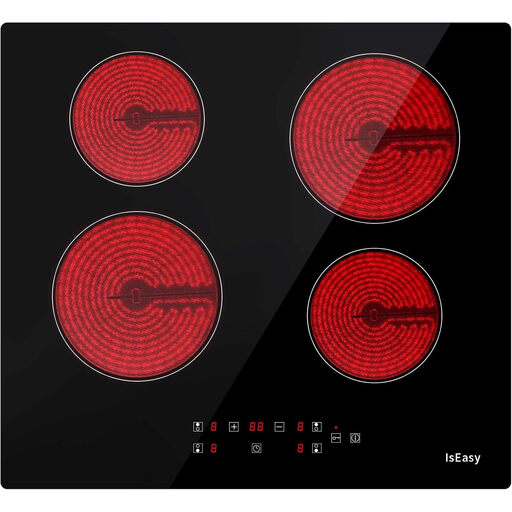 No image available
Four zones give you space for several pots, for example when cooking soup and a side dish at the same time.
Built-in appliance; 59 cm; four zones; 6000 W; frameless.
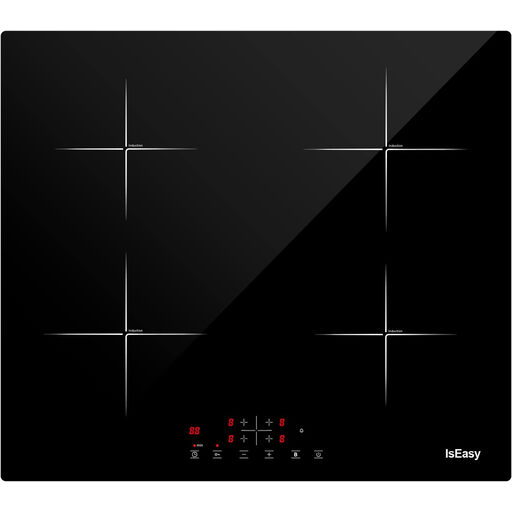 No image available
Four cooking zones are designed for preparing several dishes at once. Check that the installation and connection are suitable for your kitchen.
60 cm; four zones; 6800 W; nine power settings; 1–99-minute timer.
 No image available
Two cooking zones are a good option if you want to prepare soup and a side dish at the same time.
Two cooking zones; five temperature settings. Check the positioning requirements for your intended use.
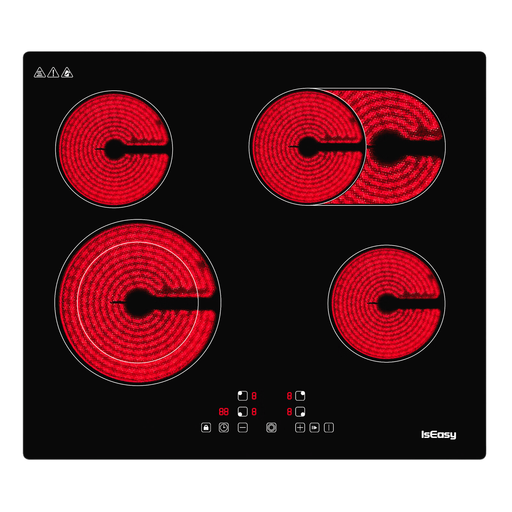 No image available
Four zones let you cook several dishes at once. Check the dimensions against your planned installation.
60 cm; four zones; 6600 W; touch controls; oval and dual cooking zone.
First check that the base of your pot is suitable for induction, then compare its size with the range specified for the particular appliance. A portable hob may also have a weight limit for a filled pot: CASO Design specifies a range of 12–24 cm and a maximum weight of 6 kg for the Touch 2000.
The power setting you select doesn’t show the temperature of the soup. The German Federal Institute for Risk Assessment recommends keeping heated food at a temperature of at least 60 °C throughout until it’s ready to be eaten. You’ll need to check the temperature of the food accordingly.
If electrical work within the meaning of § 13 NAV is required, it can generally only be carried out by the network operator or by a company registered in a network operator’s directory of installers. You should also follow the connection requirements for the specific hob.
The German Environment Agency recommends using a pan that matches the heating zone, keeping a lid on it and turning down the heat once the food has initially heated through. For radiant hobs, you should also follow the model-specific guidance on residual heat and cleaning.
No. Your statutory rights cover claims against the seller for faulty goods; a guarantee is an additional voluntary promise, subject to its own terms and conditions. Check the terms for the specific appliance for details of servicing and repairs.