Soup for everyone in one large pan
You’re cooking a portion for everyone in one pan, so check that its flat base and diameter are compatible with the heating type and cooking zone.


A portable single hob is a good starting point for making soup in one pan. A second cooking zone makes sense if you want to prepare a side dish in another pan at the same time. First, check that the pan base is compatible with the type of heating and cooking zone you choose: induction requires suitable cookware, while radiant ceramic glass or cast iron may be alternatives. Then compare the controls, available space and connection requirements for the specific appliance.
You’re cooking a portion for everyone in one pan, so check that its flat base and diameter are compatible with the heating type and cooking zone.
If you want to use a second pan while the potato soup simmers, look for two compatible cooking zones with separate controls.
If you want to keep using your current pan, consider a radiant ceramic-glass or cast-iron hob rather than assuming induction is the right choice.
| What matters when buying | What to check | Who it matters to |
|---|---|---|
| Pan and cooking zone | Compare the base material, flatness and diameter of the pan base with the specifications for the specific model. The Federal Office for Radiation Protection advises that induction requires suitable material, a flat base and an appropriate size. | If I want to use my large soup pan, I’ll first check that its base is compatible with the heating type and cooking zone. Around 36% of consumers put compatibility with their existing pan first. |
| Simmering and serving later | Compare the power settings and timer on the specific appliance. If you’re eating at different times, check the temperature of the soup itself. Since 2020, the Federal Institute for Risk Assessment has recommended keeping heated food at a minimum of 60 °C throughout until it is eaten. | If I want the soup to simmer gently after coming to the boil and serve it later, I’ll look for suitable controls and check the food itself. Around 29% of consumers prioritise simmering and serving later. |
| Using two pans at once | Check the number of cooking zones, whether they can be controlled separately, suitable pan sizes, the space available and the appliance’s connection requirements. Rommelsbacher specifies two separately controlled zones for the CT 3410/IN. | If I want to cook soup and a side dish at the same time, I need two suitable cooking zones rather than one larger hob. Around 21% of consumers prioritise cooking two dishes at once. |
| Keeping your existing pan | Make sure the heating type and size of the heating surface suit the pan base. For ceramic glass or cast iron, also take residual heat and the appliance instructions into account. | If my pan isn’t suitable for induction, I’ll consider another heating type before replacing it. Around 14% of consumers prioritise continuing to use a pan that isn’t induction-compatible. |
The top rim doesn’t reliably show whether the pan base will fit the cooking zone. With induction, the base must also be suitable and flat.
Measure the flat base and compare it with the specifications for the hob you’re considering. If the pan and heating type aren’t compatible, you may need a different pan or a different heating type.
A second cooking zone is only useful if you really need to use another pan at the same time.
Before buying, think about how many pans you’ll need on the hob at once. Then compare single and double hobs, as well as the space you have available.
A double hob takes up more space than a single hob.
Verbraucherzentrale explains that the EU energy label for a cooker applies to the oven, not the hob.
Assess the hob technology and the specifications for the specific appliance separately from the oven’s energy label ratings.
An appliance setting doesn’t prove that the soup has reached the recommended temperature throughout. The Federal Institute for Risk Assessment recommends keeping heated food at a minimum of 60 °C throughout until it is eaten.
If you’re serving the soup later, check the temperature of the food itself rather than relying on the timer or hob setting alone.
The CT 2010/IN and CT 3410/IN are portable induction hobs, while the CT 2203/TC is a radiant ceramic-glass alternative.
The portable single induction hob ProMenu 2100 may suit a compatible soup pan.
The KP 1071 is a portable induction hob, while the KP 1091 is an electric cast-iron hotplate.
The SIKP 2200 B1 is a portable single induction hob that you can include in your comparison as a specific model.
This selection includes portable hobs for one or two pans, as well as a built-in induction hob. Choose a heating type and design that suit your existing pan, cooking routine and intended location.
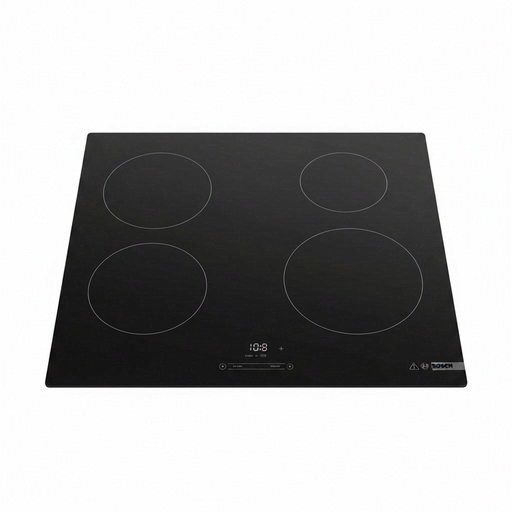 No image available
For a permanent kitchen installation when you want to prepare several dishes on a built-in induction hob. The product specifications state a connected load of 7400 W and installation by a qualified electrician. Check the installation and connection requirements before buying.
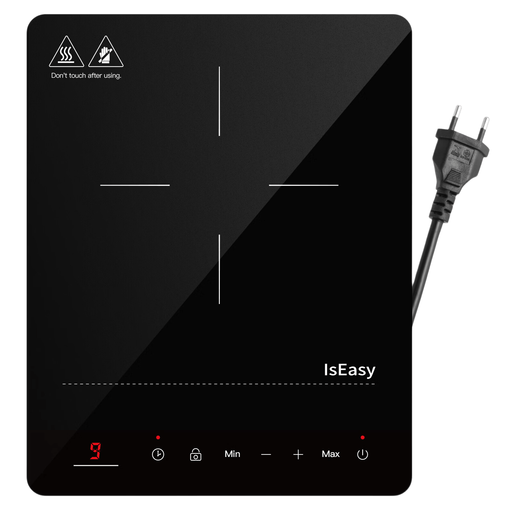 No image available
A single portable cooking zone for your soup. The product name specifies 2100 W and a 28 cm cooking surface. Your pan must be suitable for induction and compatible with the cooking zone.
 No image available
For cooking soup and a side dish in two pans at the same time. The product is described as an induction hob with two cooking zones and five temperature settings; both pans must be suitable for induction.
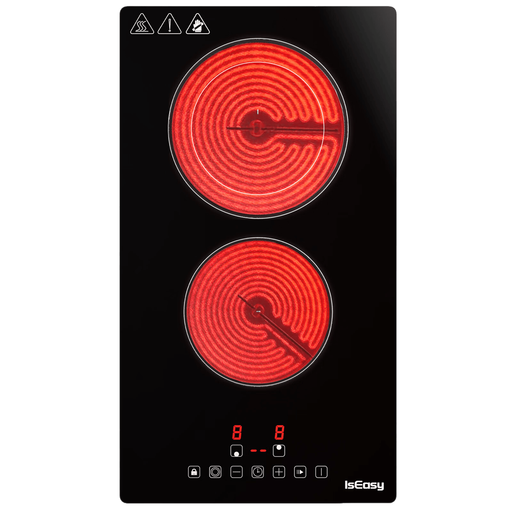 No image available
For cooking with two pans at once, and as a non-induction alternative if the pan and appliance specifications are compatible. The product name specifies 3200 W and nine power levels; check the connection and placement instructions before use.
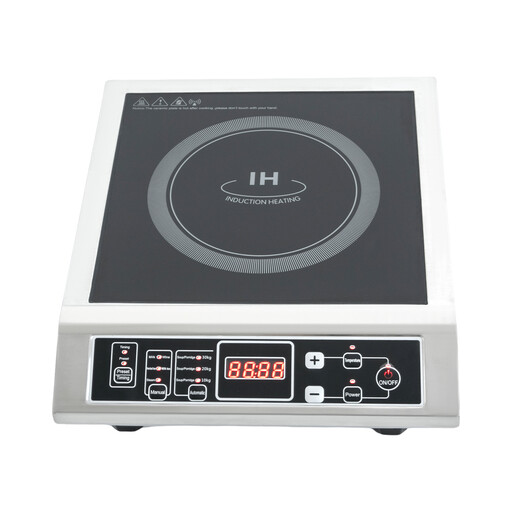 No image available
For cooking a soup pan on a portable single hob. The product name specifies 3500 W, a timer and a reservation function. Check the appliance’s connection requirements and make sure your pan is suitable for induction.
Only if its material and base size meet the requirements for the specific model. Rommelsbacher specifies a ferromagnetic pan base and a cooking zone measuring 120 to 230 mm for the CT 2010/IN. Check the base of your pan rather than relying on the top rim alone.
A hob setting doesn’t confirm the temperature of the soup. The Federal Institute for Risk Assessment recommends keeping heated food at a minimum of 60 °C throughout until it is eaten. If keeping food hot for a while, check the food itself; this recommendation isn’t a guaranteed feature of any hob.
Follow the instructions for your chosen appliance and check the connection and location before using it. The CASO instructions for the ProMenu 2100 require a socket protected by a 16 A fuse and a properly functioning protective earthing system. Rommelsbacher warns against using the CT 3410/IN on metal worktops. These model-specific requirements aren’t general connection standards for all hobs.
Section 13 of the NAV (German Low Voltage Connection Ordinance) specifies who may carry out work on an electrical installation. This is different from using a portable hob with a plug: under this regulation, simply plugging in a portable appliance doesn’t mean it must be installed by a qualified electrician.
The Federal Office for Radiation Protection notes that magnetic fields can affect electronic implants, and that the individual risk of interference needs to be assessed by a doctor. Check suitability with your healthcare professional and consult the information for your implant rather than assuming that a general safety distance means it is safe for you.