
Lieferung heute & morgen

Qualitätsgarantie

Willkommens-Angebote freischalten: KOSTENLOSE Lieferung | Bis zu 80 % RABATT | Kostenlose 30-Tage-JoyPlus-Testphase
App herunterladen
By Joybuy Product Recommendation OfficerPublished July 28, 2026
The search for the right model car can quickly become overwhelming. Whether it's a durable toy for a child, a detailed collector's item, or a gift for a car enthusiast, the market is filled with options that promise more than they deliver. Many buyers invest in models that either show defects after a short time or fail to meet expectations. This guide will help you avoid the common pitfalls and make an informed decision.
Before you make a decision, it's helpful to know the most common issues that can lead to disappointment.
To avoid a poor purchase, focus on objective and verifiable criteria. These three parameters are crucial for the quality and longevity of model vehicles.
The scale indicates the size ratio of the model to the original vehicle. It is a key indicator of its intended use:
Pay attention to how precisely details like headlights, the grille, and the interior are executed. Transparent plastic parts for lights are often a feature of higher-quality models compared to simple paint prints.
The choice of material is critical for durability and feel.
Check the craftsmanship for sharp edges or burrs, especially if the model is intended for children. A clean paint job without blemishes and precisely printed details (like on a Siku VW T5 with a Berlin decal) are signs of quality.
Features should enhance play value or increase authenticity for collectors, not distract from flaws.
Here are some recommendations tailored to different needs and use cases.
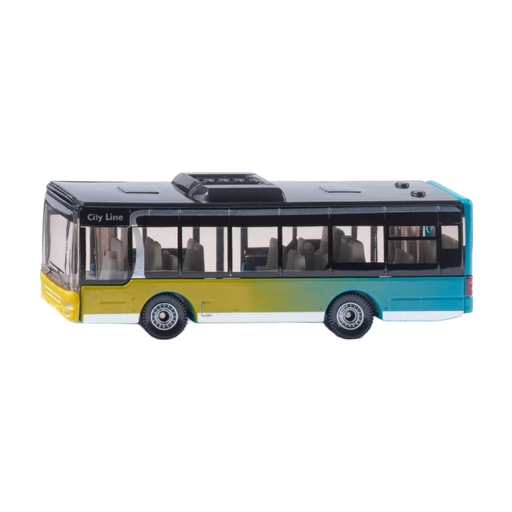
Why It's a Match: Ideal for children aged 3 and up who need a sturdy vehicle for their toy city. It's compact, durable, and integrates seamlessly into the existing SIKU play world.
This model avoids the trap of misleading material claims with a solid construction featuring a metal body and a robust plastic chassis, designed for heavy play.
High durability and compatibility with the SIKU system, which secures long-term play value. The plastic wheels offer good rolling performance on smooth surfaces.

Why It's a Match: A classic for the display case. This model is aimed at adult collectors and enthusiasts who value an authentic replica of an iconic vehicle.
It avoids the trap of overrated features. Instead of relying on a simple pull-back motor, the focus is on the high level of detail and opening doors, which is more relevant for collectors.
The die-cast metal body provides a premium feel and durability. The age recommendation of 14+ clearly positions it as a collector's item.

Why It's a Match: This set is more than just a car; it's a complete play scenario. Perfect for children who want to re-enact realistic rescue and transport missions.
It avoids the scale trap. The large 1:16 scale is used effectively here to integrate numerous realistic functions like an extendable loading ramp, a winch, and a light & sound module.
Made from high-quality ABS plastic for maximum durability. The set also includes a roadster, which immediately enhances the play value.
We have compiled a complete, up-to-date list of products that fully meet these strict selection criteria and German safety regulations.
1. What exactly does the scale on a model car mean? The scale describes the size ratio of the model to the original. A scale of 1:64 means the model is 64 times smaller than the real vehicle. A smaller number after the colon (e.g., 1:18) indicates a larger model, while a higher number (e.g., 1:87) denotes a smaller model.
2. What is the best way to care for die-cast model cars? To preserve the paint and details, die-cast models should be protected from direct sunlight and dust, ideally in a display case. For cleaning, a soft, dry cloth or a brush is usually sufficient to remove dust. According to some manufacturers like CCA, a cloth with a small amount of alcohol can be used for heavier soiling. Water should be avoided to prevent corrosion on metal parts or damage to decals.
3. From what age are model cars from Siku or Bruder suitable? The manufacturers' age recommendations should be followed. Many models from Siku and Majorette are suitable for children aged 3 and up. They are robustly built but often have small parts that can pose a choking hazard. Bruder models are generally designed for children aged 4 and up, as they have more complex functions and larger dimensions. For younger children, always choose models without easily detachable small parts.