Prepare fruit salad in advance
If you cut fruit before a meal, you’ll need a suitable, hygienic way to store it until then. The German Federal Institute for Risk Assessment recommends keeping cut fruit in the fridge until it’s ready to eat.


When storing cut fruit salad in a holiday cottage, it’s not just the temperature setting that matters, but the temperature actually reached where you plan to keep it. A compact household or table-top fridge is a better fit if you need space for other food as well as the salad. If you’re considering a drinks fridge, check the interior layout and whether it’s suitable for storing food. Also compare the dimensions, stated energy consumption and noise level of the specific model.
If you cut fruit before a meal, you’ll need a suitable, hygienic way to store it until then. The German Federal Institute for Risk Assessment recommends keeping cut fruit in the fridge until it’s ready to eat.
If you need to fit salad bowls and other food into a small kitchen, usable interior space, floor space and room to open the door are all important factors. The German consumer advice centre recommends choosing a fridge that suits the space available and your needs.
If the fridge will be running frequently or for long periods, you can compare the stated energy consumption and noise level of the specific model. The German consumer advice centre and F.A.Z. Kaufkompass both consider these factors when selecting or comparing fridges.
A good fit if: You need space for fruit salad and other fresh food, but not a freezer compartment.
Things to weigh up: Check the space available, usable fridge capacity and whether your containers will fit.
A good fit if: You also want to store frozen food in your holiday cottage.
Things to weigh up: The freezer compartment takes up interior space, so compare the fridge and freezer capacities separately.
A good fit if: Space is limited and a covered container will actually fit inside.
Things to weigh up: A temperature setting doesn’t tell you the temperature where food is stored. The interior layout and actual cooling performance need to suit your needs.
The German Federal Institute for Risk Assessment recommends storing perishable food at 2 °C to a maximum of 7 °C. What matters is the temperature reached where you plan to store it, not just the setting on the appliance.
| What matters | What to check when buying | Who should pay particular attention? |
|---|---|---|
| Cooling where food is stored | Check the temperature setting, then use a fridge thermometer to measure the temperature on the shelf you plan to use once the fridge is in place. | If I’m keeping cut fruit until mealtime, I want to check that it’s cool enough where I plan to store it. Around 36% of consumers prioritise reliable cooling. |
| Space for the fridge and inside it | Measure the available space, the room needed to open the door and your containers. Compare the fridge capacity, not just a total figure that includes the freezer compartment. | If space is limited in my holiday cottage kitchen, salad bowls need to fit inside and the door needs to open freely. For around 29% of consumers, usable space is the top priority. |
| Energy consumption | Compare the stated annual consumption in kWh with the usable capacity of the specific model. Your personal running costs will also depend on your electricity tariff and how long the fridge is switched on. | If the appliance will be running during longer stays, I want to factor its energy consumption into my buying decision. Around 21% of consumers prioritise running costs. |
| Noise where the fridge will stand | Check the noise level for the exact model and consider where you plan to put it. Assess its cooling performance separately. | If the fridge will be near the living or sleeping area, I want to know how noisy the specific appliance is stated to be. Around 14% of consumers pay particular attention to operating noise. |
A setting doesn’t tell you what temperature will be reached on every shelf. The bottle-focused interior layout can also make a drinks fridge impractical for salad bowls.
Check that your container will fit, then measure the temperature where you plan to store it once the fridge is in place.
According to the manufacturer, 13 of the Bomann KS 2194.1’s 120 litres are taken up by the freezer compartment. For fresh food, it’s the separate fridge capacity that matters.
Compare the fridge and freezer capacities separately, and only choose a freezer compartment if you’ll actually use it.
For the Exquisit KS16-V-040E, the manufacturer gives a greater depth with the door open as well as the appliance dimensions.
Allow for the space needed to open the door, access the shelves and transport the fridge to its final position.
The KS16-V-040E weiss is a fridge with no freezer compartment, aimed at buyers who need space for fresh food.
The KS 2194.1 is a table-top fridge with a small freezer compartment, for when you need freezer space as well as fridge space.
The Rdgd 1401 Pure is a table-top fridge whose stated dimensions and noise level can be compared with the requirements of your space.
The Beersafe M range includes compact drinks fridges that may be worth considering when space is limited, provided the model’s layout and cooling performance suit your containers and food.
These compact fridges can store fruit salad and other fresh food. Before buying, check that a covered bowl will fit inside. Once the fridge is in place, measure the temperature where you plan to store it.
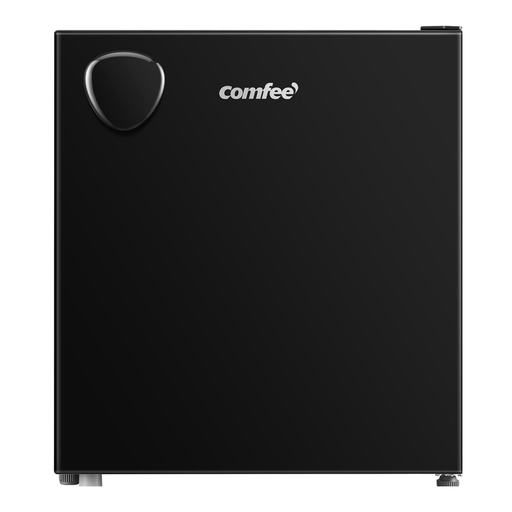 No image available
Its compact design could suit a small holiday cottage kitchen, provided it has room for the food you need to keep cool.
43-litre capacity; 44.5 cm wide; three temperature settings; adjustable shelves; fresh food drawer; 80 kWh/year according to product specifications; reversible door.
Once the fridge is in place, check the actual temperature where you plan to store food.
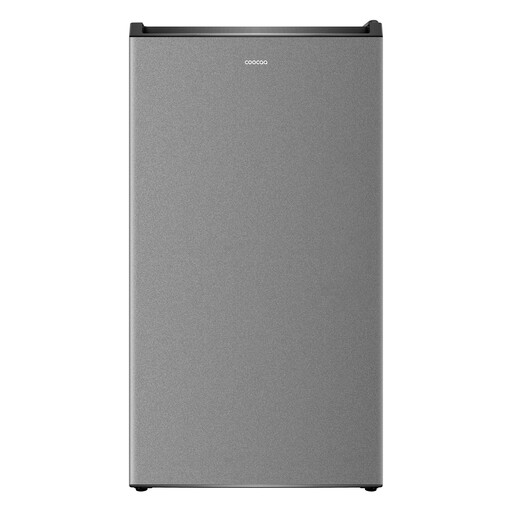
 No image available
The shelves and chiller box may affect how you arrange salad containers and other food, so check your containers’ dimensions first.
90-litre total capacity; three glass shelves; fridge compartment specified as 0–10 °C; noise level 40 dB; dimensions 449 × 485 × 842 mm.
The stated fridge compartment temperature range is no substitute for measuring the temperature where food will actually be stored.
 No image available
This fridge is an option if you want to store fruit salad alongside other fresh food.
83-litre fridge capacity; no freezer compartment listed; energy class E; adjustable shelves and salad crisper.
Once the fridge is in place, measure the temperature where you plan to store food.
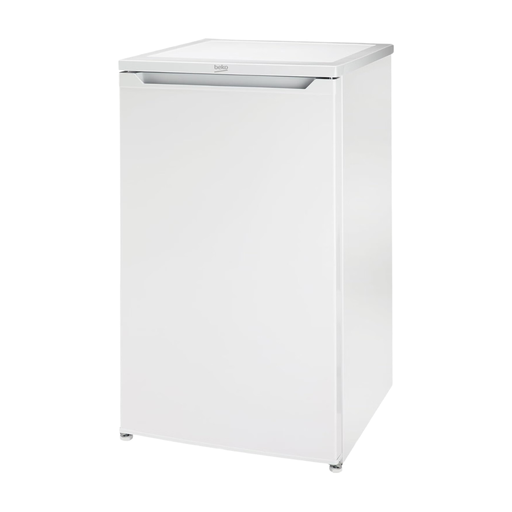 No image available
If you want to store containers alongside other food, compare the interior space with what you actually need.
88-litre total capacity; three glass shelves; fresh food drawer; 85 kWh/year; 47.5 cm wide; noise level 38 dB; reversible door.
Check the temperature where you plan to store food once the fridge is in place.
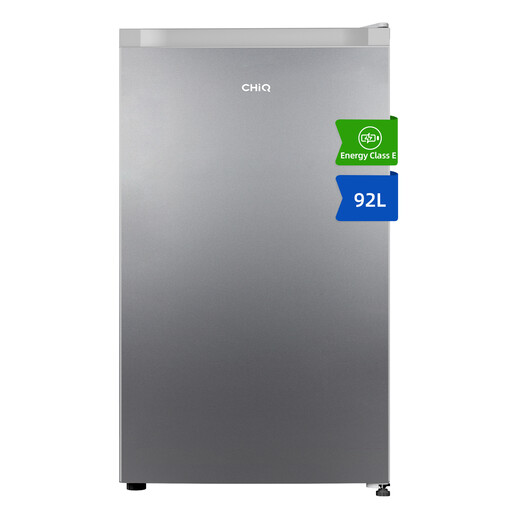 No image available
Adjustable shelves and a fresh food drawer can help you organise fruit salad and other food.
92-litre capacity; 47 cm wide; seven temperature settings; adjustable glass shelves; fresh food drawer; energy class E; reversible door.
The temperature setting doesn’t tell you what temperature will be reached in a particular storage area.
Yes, as long as you cover it and keep it chilled until you’re ready to eat. The German Federal Institute for Risk Assessment points out that cut fruit is perishable and recommends storing perishable food in the fridge at 2 °C to a maximum of 7 °C. For people who are particularly vulnerable, the BfR recommends avoiding pre-cut produce or preparing fruit from thoroughly washed fresh ingredients shortly before eating.
Use a fridge thermometer to measure the temperature directly where you plan to store food, and adjust the setting if needed. A dial setting or advertised temperature setting alone doesn’t tell you what temperature will actually be reached there.
The EU energy label for covered household fridges includes details such as the energy efficiency class, annual consumption in kWh, capacity and noise emissions. To work out your own running costs, you’ll also need your electricity tariff and should consider how long you plan to run the fridge.
Check the EU energy label and the specifications for the specific model. The current scale for covered household fridges runs from A to G; an older rating such as A++ is no longer a current class. Not all very small or specialist fridges fall within the same scope.
No. Under EU consumer rules, when you buy from a business seller, you have a legal guarantee of at least two years from the date you receive the goods. Any commercial guarantee offered is separate; whether a specific claim is valid depends on the fault and the sales contract.