Citrus at breakfast
If you mainly want to juice oranges or other citrus fruits in your holiday cottage, a citrus press may be all you need. NDR recommends choosing a machine based on the ingredients you plan to process.


Choose according to your ingredients: a citrus press is enough for oranges and other citrus fruits; a centrifugal juicer is an option for quickly making juice from mixed fruit and vegetables; and a slow juicer is suited to frequent use with leafy greens. NDR and ETM TESTMAGAZIN highlight different requirements when it comes to ingredients and ease of use. Also consider how many parts you’ll need to clean after breakfast and store in your holiday cottage kitchen.
If you mainly want to juice oranges or other citrus fruits in your holiday cottage, a citrus press may be all you need. NDR recommends choosing a machine based on the ingredients you plan to process.
If you also want to juice apples or carrots for several glasses, cleaning the sieve and finding space for the machine matter just as much as preparation. NDR and ETM TESTMAGAZIN cover these different requirements for juicers.
If you often juice leafy greens or fibrous ingredients, consider whether the machine is suitable for them and how noisy it is in your accommodation. ETM TESTMAGAZIN describes slow juicers as a good fit for green juices and comparatively quiet operation.
First decide which ingredients you’ll actually want to process at breakfast. Then compare how easy the machine is to clean, how much space it takes up and how much effort it involves to make several glasses.
A good fit if: you mainly juice halved oranges, lemons or grapefruits. A manual press is also an option if you’d rather not use an electric motor.
Bear in mind: This option is not as versatile as a juicer designed for different ingredients, such as apples, carrots or leafy greens. NDR recommends choosing a machine to suit the types of produce you’ll be juicing.
A good fit if: you want to quickly make several glasses from juicy fruit or vegetables in the morning, and have the space and an electricity supply.
Bear in mind: NDR notes that these machines can take more effort to clean and are less suitable for fibrous ingredients such as kale. A large feed chute doesn’t mean you can skip cleaning the sieve.
A good fit if: you regularly juice leafy greens or fibrous ingredients and quieter operation matters more to you than maximum speed. ETM TESTMAGAZIN describes these as suitable uses for slow juicers.
Bear in mind: Depending on the model, you may need to chop ingredients first and clean the pressing chamber and sieve. There’s no evidence that juice is automatically healthier simply because it’s made with a particular type of machine.
| What you need | What to check before buying | Who is likely to find it especially important |
|---|---|---|
| Suitable ingredients | Check that the machine is designed for your ingredients. For citrus presses, also consider the cones, container or direct-to-glass spout. | If I mainly juice oranges or other citrus fruits in my holiday cottage, I don’t want to have to store a more versatile machine. Around 30% of consumers put this need for citrus juice first. |
| Ease of cleaning | Check which parts can be removed and which, according to the instructions, are dishwasher-safe. | If I have to clean the machine after every breakfast, the number of parts involved matters to me. Around 30% of consumers say ease of cleaning is their most important consideration when buying. |
| Several glasses | Check the feed chute, pulp container and footprint of the specific machine. Remember to factor in cleaning the sieve afterwards, too. | If I’m making several glasses from apples or carrots, I want to spend as little time as possible on preparation in the morning. For around 20% of consumers, quickly prepared mixed juice is the priority. |
| Leafy greens and noise | Check that the machine is suitable for your ingredients, as well as its space requirements and cleaning needs. Compare noise information for the specific model. | If I’m juicing leafy greens early and don’t want to disturb other guests, quiet operation matters more than maximum speed. Around 20% of consumers prioritise this need. |
NDR considers the blanket claim that juice from a slow juicer is always healthier to be an overstatement. The machine’s features and the ingredients also matter.
Choose according to your ingredients and how easy the machine is to use, rather than relying on general claims about nutrients.
A larger chute can mean less chopping, but you’ll still need to clean the machine after every use.
Check the size of the feed chute and the cleaning instructions separately. The sieve, pulp container and spout should be cleaned after juicing; ETM TESTMAGAZIN makes this point, too.
According to the manufacturer, the individual parts of the Severin CP 3535 are not dishwasher-safe. Instructions may differ for other models.
Check the instructions for each component and the exact model before putting any parts in the dishwasher.
The CP 3535 is an electric citrus press with a 1-l container, suitable for making several glasses of citrus juice.
The Stelio citrus press is designed to dispense citrus juice straight into a glass.
The MultiJuice 5 SJ5000BK is a centrifugal juicer for a mix of fruit and vegetables.
The Viva Collection HR1889/70 is a slow juicer for anyone who also wants to process leafy vegetables.
The products below include citrus presses and slow juicers for fruit and vegetable juice. The right option for you depends on which ingredients you want to process at breakfast.
 No image available
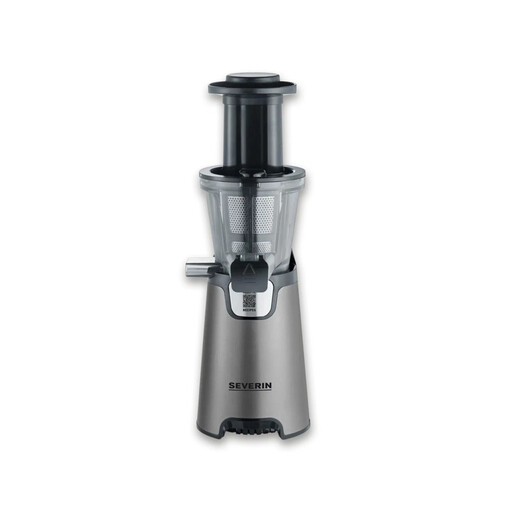
This slow juicer is an option if you want to turn fruit and vegetables into juice.
 No image available
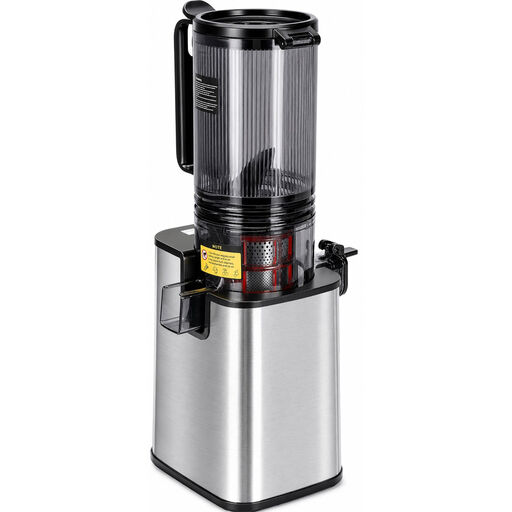
This model is described as suitable for making juice from fruit and vegetables. With suitable ingredients, its large feed chute may mean less chopping is needed.
 No image available
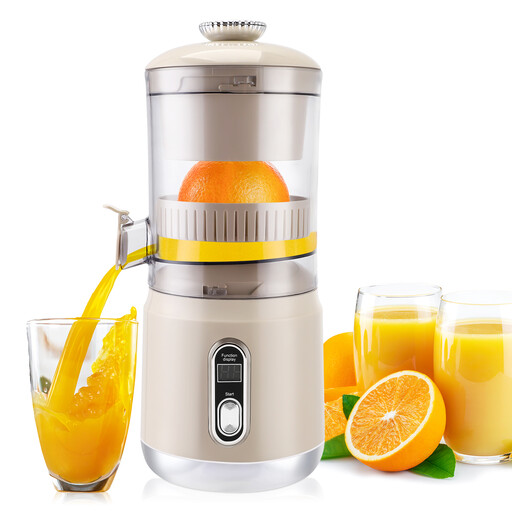
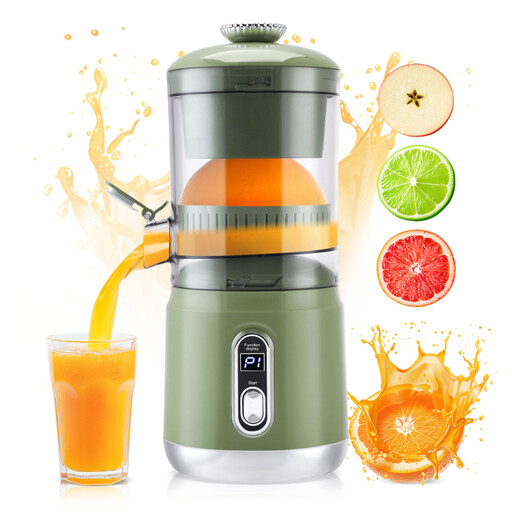
A citrus press is an option if you want to juice oranges, lemons or other citrus fruits.
 No image available
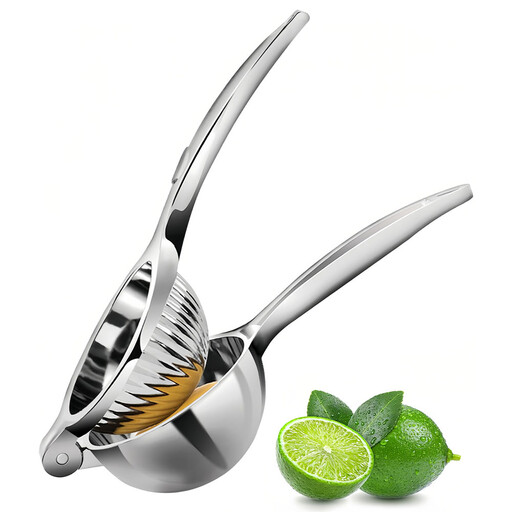
This manual press is an option for lemons, limes and oranges if you want to juice without an electric motor.
 No image available
This slow juicer is described as suitable for fresh ingredients and is also marketed for travel and camping.
Yes, if you only want to juice citrus fruits. You’ll need a different type of machine for apples, carrots or leafy greens. If you juice different types of citrus fruit, it’s worth checking the pressing cones.
Clean the machine after every use, especially the sieve, pressing chamber, spout and container. Which parts are dishwasher-safe depends on the instructions for the specific model. For example, according to the manufacturer, the Severin CP 3535 is not dishwasher-safe.
If your product develops a fault, statutory consumer rights against the seller are separate from any voluntary manufacturer’s guarantee. Verbraucherzentrale explains these different rights. Contact the seller about your specific issue and check the terms that apply to your purchase date and circumstances.
Bundesnetzagentur explains that the manufacturer uses the CE marking to confirm, under its own responsibility, that the product meets the applicable requirements. The mark is not an independent product test. When buying, also check the model’s identity and make sure the safety information is clear.
No. Umweltbundesamt explains that waste electrical equipment must be collected separately from mixed municipal waste. Find out where to dispose of it properly, such as at a recycling centre or an appropriate take-back point.