What should you look for when buying?
First, check the storage instructions for your desserts and measure your containers. You can then work out the space available, how much fridge capacity you need, whether you need a freezer compartment and how to assess the stated annual energy consumption.
| Buying priority |
What to look for |
Who it matters most to |
| Reliable cooling |
Follow the dessert’s storage instructions and check the temperature after stocking the fridge. |
If I’m storing perishable desserts in my holiday home, I’ll follow their storage instructions and want to be able to check the actual temperature. This is likely to matter to around 33% of consumers for whom keeping food chilled is the top priority. |
| Space and shelves |
Check the appliance dimensions and door clearance, and compare the shelves with your containers. |
If I need to chill several dishes, they must fit on the shelves and the door must open where I plan to put the fridge. Around 27% of consumers prioritise floor space and usable shelves. |
| Freezer compartment or fridge space |
Compare fridge and freezer capacity separately, and work out whether you really need freezer space. |
If I want to store frozen food as well as desserts, I’ll need a separate compartment and will want to consider how much fridge space remains. An estimated 20% of consumers also need freezer space. |
| Energy consumption |
Compare the kWh/year figures on the energy label and consider how you’ll use the fridge in your holiday home. |
If I only use the fridge occasionally, I’ll want to compare its stated annual energy consumption with its capacity and how long I plan to use it for. Around 20% of consumers are likely to place the greatest importance on running costs. |
For perishable food, the German Federal Institute for Risk Assessment gives a general fridge temperature recommendation of 2 °C to no more than 7 °C. You should also follow any specific storage instructions for the product. The temperature setting alone doesn’t confirm the actual temperature where the food is stored.
Fridges at Joybuy
The models below include compact fridges without a freezer compartment, as well as appliances with an additional chiller or freezer compartment. The right choice depends on which containers you need to fit and whether you really need freezer space as well as somewhere to chill desserts.
 No image available
Sonlu CS-100L fridge, 82 l, energy class E
For chilled desserts when you don’t need extra freezer space; the product specifications list an 82 l capacity and no freezer compartment.
View at Joybuy
 No image available
TCL RF120DWE0 fridge, 90 l, with chiller compartment, energy class E
An option if you want to chill desserts and have a separate chiller compartment; the product name gives a total capacity of 90 l.
View at Joybuy
 No image available
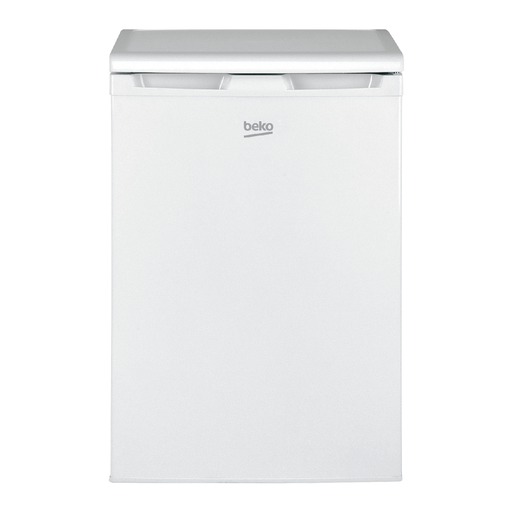
Beko TSE1284N b100 under-counter fridge with freezer compartment
A good choice if you want to store frozen food as well as chilled desserts. The product specifications list 101 l of fridge space and a separate 13-l freezer compartment.
View at Joybuy
 No image available
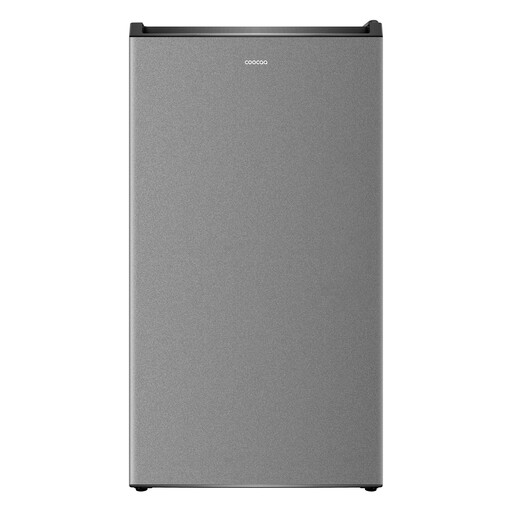
Coocaa SRS-120DTE fridge, 83 l, energy class E
For chilled desserts when you don’t need a freezer compartment; the product specifications list 83 l of fridge space and no freezer compartment.
View at Joybuy
 No image available
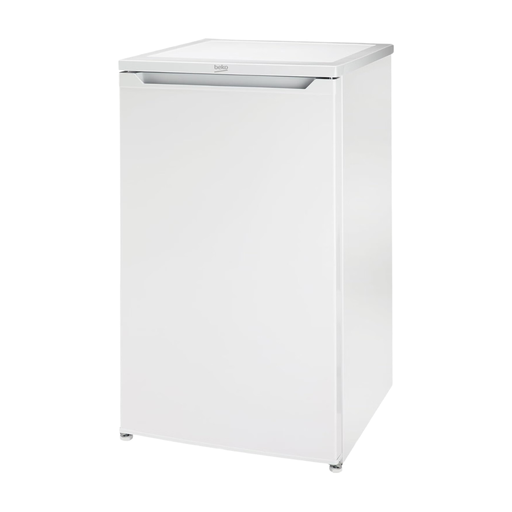
Beko TS190040N freestanding fridge, 88 l
A compact fridge-only option for chilled desserts when you don’t need extra freezer space; the product listing gives a capacity of 88 l and energy class E.
View at Joybuy
Frequently asked questions
What temperature do perishable desserts need?
First, follow the storage instructions for the specific dessert. For perishable food in a fridge, the German Federal Institute for Risk Assessment recommends 2 °C to no more than 7 °C and advises keeping it chilled while travelling, too. This is general food hygiene advice, not a blanket legal temperature requirement for every dessert.
Can a compact fridge go in an existing recess?
Not simply because its external dimensions fit. In the instructions for the VS 7255, Bomann explicitly states that the appliance isn’t designed for built-in installation. For other models, check the relevant installation instructions; the guidance for this Bomann model doesn’t automatically apply to other fridges.
How should I compare energy consumption if I only use the fridge occasionally?
Start by comparing the kWh/year figures on the energy labels, then use the same assumed period of use when making your own estimate. The annual figure is for comparison; it doesn’t measure how much energy the fridge will use in your holiday home.
Which energy labels and disposal options should I know about?
As explained by the German consumer advice centre and the European Union, fridges and freezers that require an energy label use the EU A to G scale, replacing the previous plus ratings. Old appliances must not go in household rubbish: the German Environment Agency lists local collection points and participating retailers as options for returning them. Check directly with the retailer if collection is available with your order.


