What should you look for when buying?
If you mainly eat berries fresh, start by checking the fridge space and room for punnets. If you regularly have a surplus or leave frozen food in the appliance during longer absences, freezer capacity, defrosting method and running costs become more important.
| What matters |
What to check when buying |
Who is it important for? |
| Fridge space for berries |
Compare fridge capacity separately from freezer capacity, as well as the salad drawer and shelf layout. |
If I want to keep several punnets chilled and without stacking them during short stays, I need fridge space that’s easy to use; around 37% of consumers would prioritise keeping food fresh. |
| Freezer space for a surplus |
Check the freezer capacity, usable drawers and defrosting method of the specific model. |
If I have more berries left after picking than I can eat soon, I want to freeze portions for later; around 27% of consumers would prioritise freezer space. |
| Running the appliance between visits |
Check the annual energy consumption on the EU energy label and whether separate controls are specifically listed. |
If frozen food stays in the holiday home while no one is there, I want to be able to control each compartment appropriately; around 18% of consumers would prioritise weighing up energy use and periods when the property is empty. |
| A suitable installation location |
Check the height, width, depth, door clearance and climate class against the intended location. |
If the kitchen has limited space or is sometimes unheated, the appliance must fit and be suitable for the temperature there; around 18% of consumers would prioritise the installation location. |
Fridge-freezers at Joybuy
The selection below includes freestanding fridge-freezers for keeping fresh berries in the fridge compartment, occasional freezing, and checking the available space and how long the appliance will be in use.
 No image available
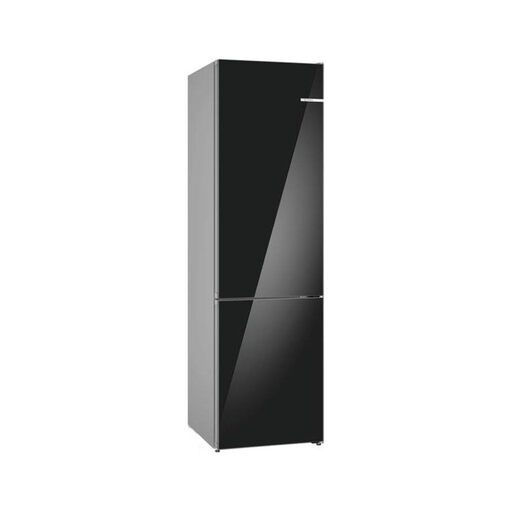
Bosch Serie 6 KGN39LBCF, 363 l, black
A good option if you’re considering fridge space and short-term storage of fresh berries. Before buying, check how much room the specific model offers for berry punnets.
Total capacity: 363 l. Colour: black.
View at Joybuy
 No image available
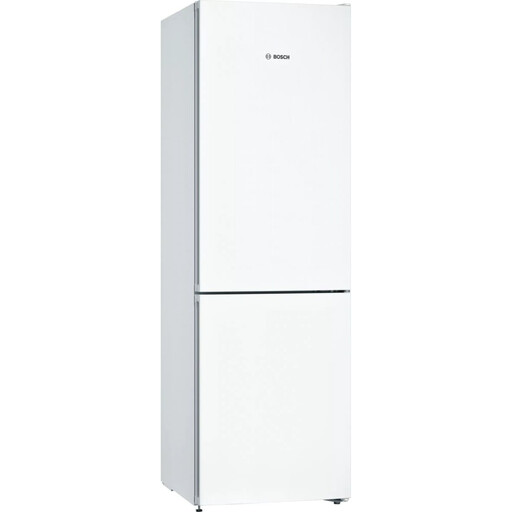
Bosch Serie 4 KGN36VWED
If you’re planning longer absences, check which functions the specific model offers for controlling the fridge and freezer compartments.
Total capacity: 326 l. NoFrost, VitaFresh and energy class E are listed in the product name. VitaFresh doesn’t guarantee a specific storage life for berries.
View at Joybuy
 No image available
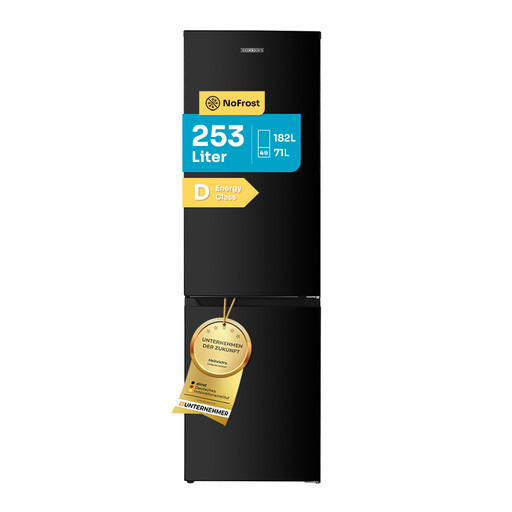
Heinrich´s fridge-freezer, 253 l
For households weighing up fridge space against freezer space for a surplus of berries; compare the listed compartment capacities with your needs.
Total capacity: 253 l. Fridge capacity: 182 l. Freezer capacity: 71 l. The product name also lists No frost and 39 dB.
View at Joybuy
 No image available
CHiQ JR263LGE, 262 l, Low Frost
A good option if you’re considering fridge space and short-term storage of fresh berries. Check the layout and installation space using the full model specifications.
The product name lists 262 l, Low Frost, 70/30, a width of 54 cm and a height of 176 cm. The stated operating range is 16–38 °C; according to the product information, the appliance is not suitable for temperatures below 16 °C.
View at Joybuy
 No image available
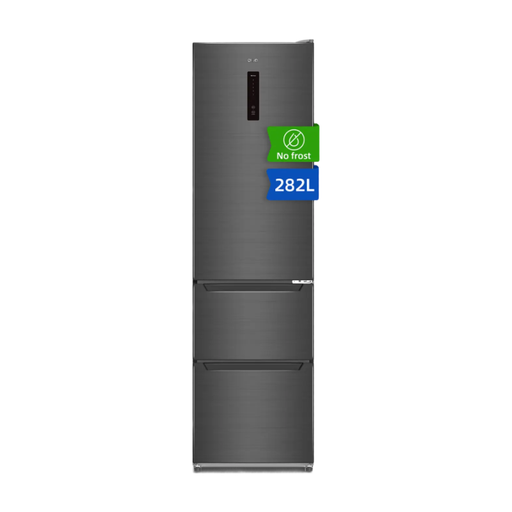
CHiQ CID282NEIBE, 282 l, Multi-Door
A good option if you’re looking for separate storage areas and space for berry punnets; check that the compartment layout suits your needs.
The product name lists 282 l, a width of 54 cm, a height of 192 cm, energy class E and No Frost. Dual Inverter and Touch Controls are also listed.
View at Joybuy
Frequently asked questions
How should I store strawberries when I arrive at the holiday home?
Remove any damaged fruit and store the strawberries carefully, unwashed and covered, in a cool place or in the salad drawer. Wash them just before eating. The BZfE says they can be stored this way for up to two days; this isn’t a period guaranteed by any particular appliance.
How should I freeze leftover berries for my next visit?
Prepare the berries and freeze them in portions. If you want to take out individual raspberries, the BZfE recommends first freezing them individually with a little space between them, then transferring them to a bag or container.
Can I switch off the fridge compartment while I’m away?
For a fridge-freezer with two control circuits that can be operated separately, the consumer advice centre describes switching off the fridge while keeping the freezer running as an option for longer absences. Check the functions of your specific model to see whether it allows this; fresh berries must not be left in a switched-off fridge compartment.
How do I compare energy consumption?
Compare the model’s annual energy consumption in kWh on the EU energy label. The label also lists fridge and freezer capacity separately, so you can assess energy consumption alongside the capacity that suits your needs.
What are my rights if the appliance develops a fault, and what should I do with the old one?
For purchases made on or after 31 July 2026, the consumer advice centre explains that if you choose a repair rather than a replacement under your statutory guarantee, the period is extended from two to three years; this is separate from a manufacturer’s warranty. According to the German Environment Agency, old refrigerators must not go in household waste. When buying a replacement of the same type, you can also return the old appliance free of charge when it is delivered, including for online purchases.


