Guests bringing cheese for their stay
If you’re storing opened portions of cheese, you’ll need a suitable chilled area and well-organised shelves. The Verbraucherzentrale recommends following the instructions on the packaging.


If you’re storing cheese in a holiday home, a fridge with enough usable chilled space is essential. A large freezer compartment is worthwhile mainly if you also keep frozen food in stock. Follow the storage instructions on the packaging: the Verbraucherzentrale (German consumer advice centre) gives around 8 °C in the upper fridge compartment as a general guide for cheese. Also check the appliance dimensions and annual energy consumption. If your holiday home is unheated, make sure the climate class suits the temperatures where the appliance will be installed.
If you’re storing opened portions of cheese, you’ll need a suitable chilled area and well-organised shelves. The Verbraucherzentrale recommends following the instructions on the packaging.
You’ll need to balance the available floor space, door opening and your refrigeration needs. The Verbraucherzentrale recommends choosing an appliance size to suit your needs; product details from Liebherr and Exquisit illustrate the range of designs and dimensions available.
If you want to store frozen food as well as cheese, freezer capacity and functionality become important. The Federal Centre for Nutrition notes that a four-star compartment is also suitable for freezing food.
| What you need | What to check before buying | Who it matters most to |
|---|---|---|
| Keeping cheese at the right temperature | Check the temperature setting for the fridge compartment and follow the storage instructions on the packaging; make sure there’s enough shelf space for your portions. | If I want to keep opened portions of cheese chilled and easy to find during my stay, fridge space matters more to me than a large freezer compartment. Around 36% of consumers put suitable cheese storage first. |
| Available space and appliance size | Check the external dimensions, door swing and access route against the space available. | If my holiday-home kitchen is short on space, the appliance, door opening and access route all need to work together. Around 29% of consumers prioritise dimensions that fit their space. |
| Energy use and running the appliance while you’re away | Compare energy consumption in kWh/year; if you want to run only the freezer compartment, check whether the specific model has separate controls. | If the appliance stays on between stays, I want to know which compartments need to keep running and what that means for energy use. Around 21% of consumers focus first on energy consumption and running the appliance while they’re away. |
| Freezer functionality you need | For fresh food, check for a four-star rating; choose freezer capacity to suit the amount you actually need to store. | If I’m storing frozen food as well as cheese, I need a freezer compartment that’s suitable for freezing food. Around 14% of consumers put usable freezer functionality first. |
According to the Federal Centre for Nutrition, small one- or two-star compartments are suitable only for short-term storage, not for freezing fresh food.
If you want to freeze food yourself, check the star rating. If you only need to keep cheese chilled, focus on fridge space first.
For the Exquisit KGC232-60-E-040C, the manufacturer also lists the depth with the door open; changing the door hinge is listed as a separate service option.
Check the door swing, required clearance from the wall and access route for the specific model.
The Verbraucherzentrale recommends considering the appliance size alongside its stated annual energy consumption. Energy figures are based on standardised conditions.
Compare models of a suitable size by their kWh/year figures rather than looking only at the letter on the energy label.
The Re 1201 under-counter fridge is an example of a compact appliance with a freezer compartment.
The KGC232-60-E-040C inoxlook-az fridge-freezer is an example of a model with a separate freezer compartment.
According to its own product range page, Bosch offers freestanding and built-in fridges, as well as models with and without a freezer compartment, including mini fridges.
The models below include compact fridges with freezer compartments and freestanding fridge-freezers to suit different space and storage needs.
 No image available
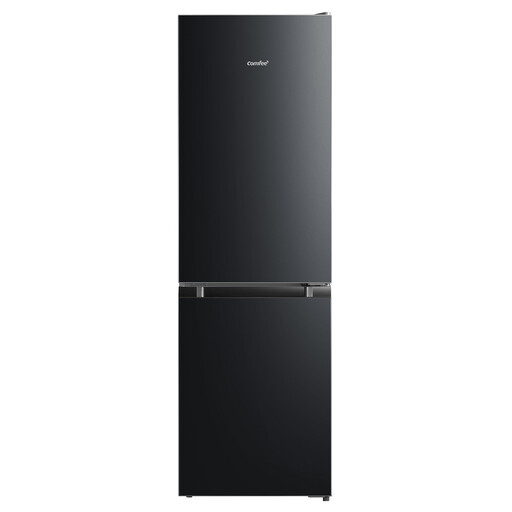
A freestanding fridge-freezer for anyone who needs a separate freezer compartment as well as fridge space.
173 l total net capacity; four-star freezer function.
 No image available
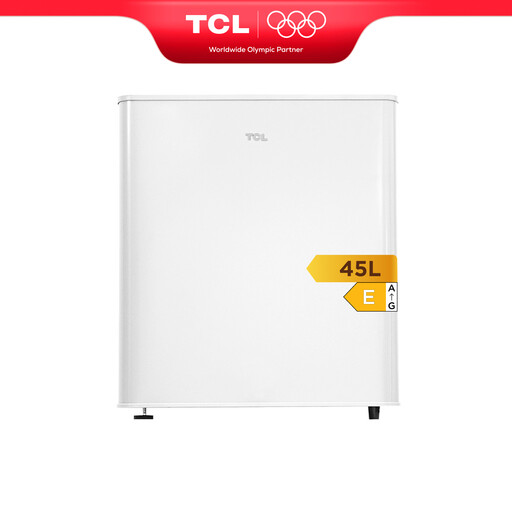
A separate freezer compartment could be a good choice if you want to store frozen food as well as chilled cheese.
174 l total capacity, with a 115 l fridge compartment and 59 l freezer compartment; Low Frost technology and adjustable shelves.
 No image available
This model can sit on a worktop, making it an option if you’re looking for a compact fridge for smaller quantities.
With a freezer compartment, adjustable feet and a safety-glass shelf.
 No image available
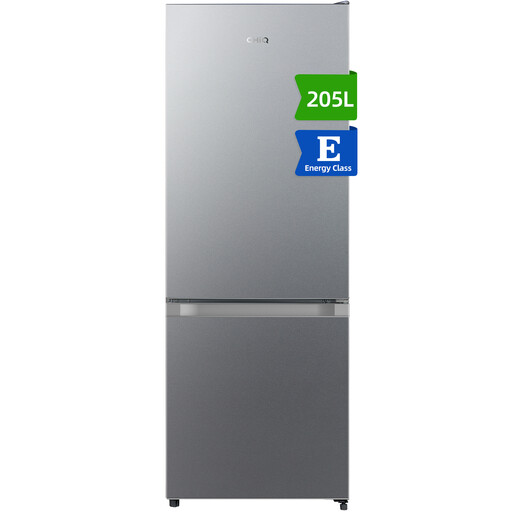
The separate freezer compartment suits anyone planning to store frozen food as well as cheese.
205 l total capacity, with a 153 l fridge compartment and 52 l freezer compartment; Low Frost and reversible door.
 No image available
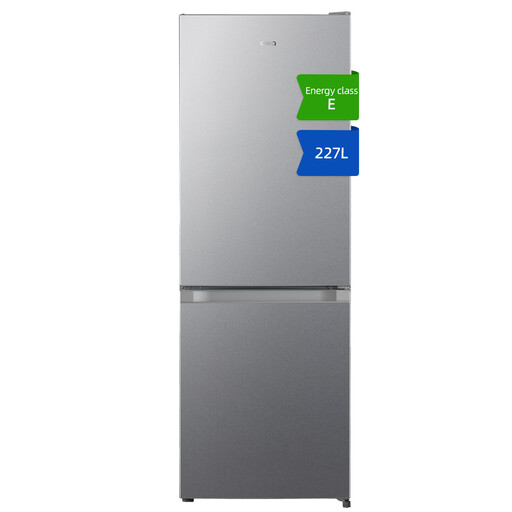
A fridge-freezer with separate compartments could be a good choice if you’ll use both regularly.
227 l total capacity, with a 153 l fridge compartment and 74 l freezer compartment; four-star freezer rating, Low Frost and 54 cm wide.
Start by following the instructions on the packaging. As a general guide, the Verbraucherzentrale recommends around 8 °C in the upper fridge compartment. Keep opened food chilled, use it promptly and serve it with clean utensils.
That depends on the appliance and the temperatures where it’s installed. Check the model’s climate class and permitted ambient temperature range against the conditions there. For example, Liebherr lists +10 °C to +32 °C for SN and +16 °C to +32 °C for N; these ranges do not automatically apply to other appliances.
Check the specifications for the model to see whether the fridge and freezer compartments can be controlled separately. This matters if you want to switch off the fridge compartment while continuing to store food in the freezer.
Don’t put it in your household rubbish. Take it to an authorised collection point, or return it to a manufacturer or retailer. The Federal Environment Ministry explains that retailers’ take-back obligations are subject to legal conditions, and online retailers also have obligations to take back old electrical appliances.