What to look for when buying
First, think about whether you’ll usually make one serving or several. Then consider the space available, any other ingredients you plan to use and where you’ll be blending during your stay.
| Consideration |
What to check before buying |
Who is this important to? |
| Servings per batch |
Compare the usable capacity and fill mark with the number of glasses you plan to make. Tefal lists a usable capacity of 0.7 l and a total capacity of 0.85 l for the Blend Up. |
If I’m making smoothies for several fellow travellers, I want to know how many glasses I can make in one go. That’s why around 40% of consumers put serving size first. |
| Space and cleaning |
Check the appliance’s dimensions, which parts can be removed and the specific dishwasher guidance. Bosch lists dimensions of 367 × 122 × 126 mm for the MMB2111S; cleaning guidance applies only to the parts explicitly mentioned. |
When worktop space and time for washing up are limited, I look at the dimensions and which parts can be removed. Around 30% of consumers make space requirements and cleaning their top buying consideration. |
| Ice and frozen ingredients |
If you plan to use ice cubes or frozen fruit, check that the specific model is approved for them. Bosch describes the MMB2111S cup as ice-resistant; Philips lists ice cubes and frozen fruit for the HR2767/00. |
If my recipe includes ice or frozen fruit as well as melon, I need confirmation that this particular blender can handle them. Around 20% of consumers prioritise suitability for these additional ingredients. |
| Blending without a socket |
Check whether the appliance runs on battery power or mains electricity. For battery-powered models, also consider how to charge them, the cup capacity and which ingredients they can handle. |
If there isn’t a suitable socket where I want to blend, I don’t want to rely on a mains-powered appliance. Around 10% of consumers put freedom from the socket first. |
Joybuy products for melon smoothies
This selection includes portable blend-and-drink appliances, blenders with larger containers and cordless models. For the specific appliance, check which ingredients it can handle, the cleaning guidance, information about parts that come into contact with food and electrical safety advice.
 No image available
Ninja BlendBoss, 710 ml
The removable travel cup is handy if you want to blend a single serving and take it with you.
710-ml cup; preset programmes; described in the product details as suitable for crushing ice. Removable parts are listed as dishwasher-safe.
View at Joybuy
 No image available
3-in-1 multifunction blender, 800 W
The blending jug may suit you if you want to make several servings, while the travel bottle is designed for a single serving to take away.
1,500-ml blending jug, 600-ml travel bottle and 300-ml chopping cup; 800 W. The product details also list six stainless steel blades and dishwasher-safe parts.
View at Joybuy
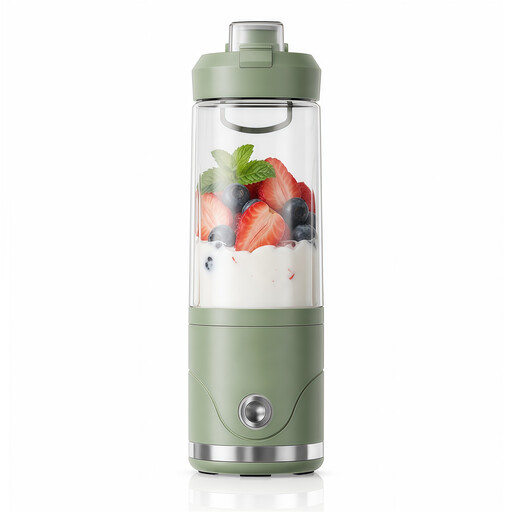 No image available
Rechargeable USB-C blender, 650 ml
Rechargeable operation may suit you if you want to blend somewhere without needing a socket.
650-ml capacity, six stainless steel blades and USB-C charging. The product description also mentions a built-in battery and a self-cleaning mode.
View at Joybuy
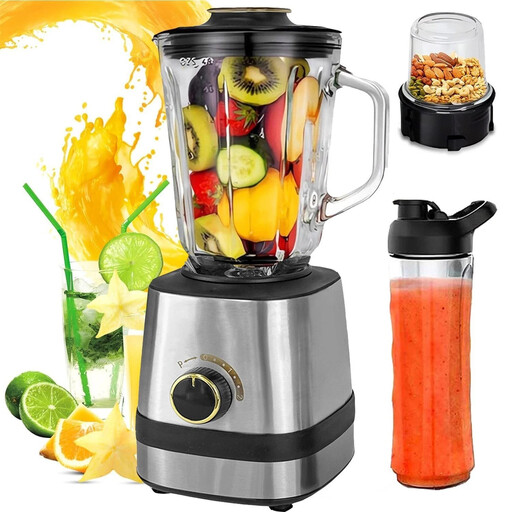 No image available
3-in-1 smoothie blender, 800 W
The blending container is a good option if you want to prepare several servings and take an extra bottle with you.
1.5-l container and 600-ml bottle; 800 W and six blades. The product description lists removable, dishwasher-safe parts.
View at Joybuy
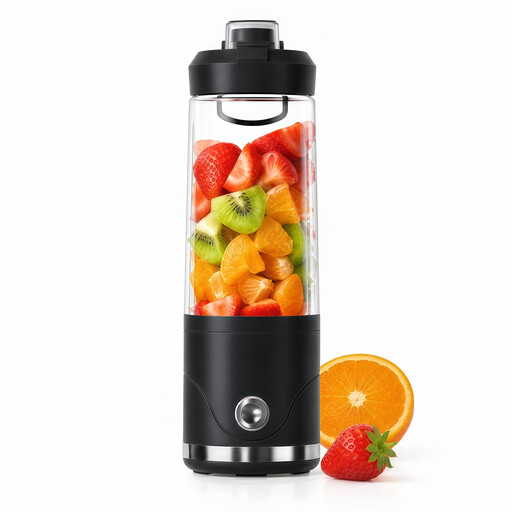 No image available
Mini smoothie maker, 650 ml, Green/black Black
The built-in battery and cup make this an option if you want to prepare a single serving without a socket and take it with you.
650-ml plastic cup with screw-top lid; USB-C charging and six stainless steel blades. The product description mentions a self-cleaning mode.
View at Joybuy
Frequently asked questions
Does a blender need to crush ice to make a fresh melon smoothie?
No, not if you’re making a smoothie with fresh, soft melon only. If you want to add ice or frozen fruit, check the guidance in the instructions for the specific model. Another blender from the same brand may not have the same suitability.
What should I check before blending for the first time in my holiday home?
If you have a mains-powered appliance, check that its plug and the mains specifications shown on the appliance are compatible with the socket available. Also read the instructions for assembling and cleaning it: a cup or removable part described as dishwasher-safe doesn’t mean the motor base can go in the dishwasher too.
Can I leave a melon smoothie unrefrigerated in its drinking cup?
A sealable drinking cup isn’t a substitute for refrigeration. The German Federal Institute for Risk Assessment recommends eating cut melon promptly or keeping it refrigerated. It advises particular care with pre-cut produce for people at higher risk.
Who is responsible if a blender is faulty?
For a consumer purchase in Germany, the seller is generally responsible under statutory consumer rights, not the manufacturer; a voluntary guarantee is separate. The Verbraucherzentrale generally refers to a two-year statutory warranty from delivery and explains additional rules for sales contracts made from 31 July 2026.
What safety information matters when buying in Germany?
EU rules on food contact materials apply to parts that come into contact with food. The electrical appliance is subject to the product safety regulations that apply to it and, where relevant, CE requirements. Your Europe explains that CE marking is not an independent test certificate issued by a central EU body.


