Families with strict allergen rules
If a child needs to avoid certain ingredients, it’s important to check the label on every snack. If you’re offering a selection, make sure the ingredients and any possible traces can be checked for each pack.


When choosing snacks for a holiday group, start with the ingredients that individual children need to avoid. For allergies or coeliac disease, the label on the pack you actually buy is what matters; ‘gluten-free’ and ‘vegan’ each answer only part of the question. Separate, clearly labelled options are easier to match to different requirements than a shared bowl of mixed snacks.
If a child needs to avoid certain ingredients, it’s important to check the label on every snack. If you’re offering a selection, make sure the ingredients and any possible traces can be checked for each pack.
For outings with people following different diets, separate, labelled options can help. A gluten-free product isn’t automatically vegan, and a vegan product isn’t automatically gluten-free.
If you’d like to offer a range of flavours and snack types, you can serve them separately. Ingredient lists are especially important for seasoned varieties if anyone in the group needs to avoid something.
Before putting together your selection, check which ingredients need to be avoided. Only then can you decide whether one snack will suit everyone or whether it’s better to offer several separate options.
| What to consider | What to check when buying | Who it matters most to |
|---|---|---|
| Specific allergens | Read the ingredients list and check the allergens highlighted on the current pack; pay particular attention to any possible traces. | If a child needs to avoid a particular ingredient, I want to be able to identify exactly what’s in every snack on offer. For around 36% of consumers, avoiding a specific ingredient is the top priority. |
| Gluten-free and vegan options | Check the gluten-free label and information about animal-derived ingredients separately. | When a group includes people with different dietary requirements, I need suitable, clearly distinguishable alternatives rather than one supposed solution for everyone. Around 29% of consumers put this combination first. |
| Variety and serving | Choose packs and varieties that keep checked options separate and easy to identify. | For a holiday outing, I want to offer variety without children taking snacks from bowls where it’s unclear what’s in them. Around 21% of consumers prioritise a selection that’s easy to serve separately. |
| An alternative snack base | Compare the ingredients and nutritional information per 100 g of similar products; check allergens separately. | If I’m looking for a different type of snack instead of potato crisps, I want to be able to assess its ingredients and nutritional value. Around 14% of consumers put this comparison first. |
A gluten-free snack may still contain other relevant ingredients. Lorenz lists Naturals Rosemary as gluten-free, but the variety contains milk ingredients according to the manufacturer.
Check each ingredient that the person concerned needs to avoid, rather than assuming that one label rules out everything else.
A mix like this isn’t automatically a suitable alternative if anyone needs to avoid nuts or peanuts. Lorenz lists peanuts, cashews, almonds and pistachios as ingredients in Nuts & Fruits Prachtstück.
Provide a separate option for children who need one, checking the pack first, and avoid serving everything from a shared bowl.
Recipes and pack labels can change. Lorenz therefore specifically advises checking the ingredients list on the individual pack.
Read the label on the pack you’ve bought again before serving, and keep the packaging in case anyone in the group has questions.
The label relates to animal-derived ingredients, but doesn’t rule out nuts, peanuts, soya or cereals containing gluten, for example.
Use ‘vegan’ to narrow down your options, then check the specific product for any other ingredients that need to be avoided.
The brand offers crisps, peanut snacks and nut and fruit mixes, with ingredient information available for individual varieties.
Alongside potato crisps, the brand offers other types of snacks, including lentil crisps.
REWE has an online category for gluten-free snacks and sells products under its ‘REWE frei von’ range.
EDEKA lists gluten-free snacks in the range at selected stores.
Lidl’s Vemondo is its own brand of vegan products.
ALDI SÜD has range categories for vegan sweets and snacks, as well as gluten-free biscuits.
This selection includes savoury snacks and sweet treats for holiday activities. These are individual products, not ready-made snack mixes, so check the packaging against your group’s requirements before putting them together.
 No image available
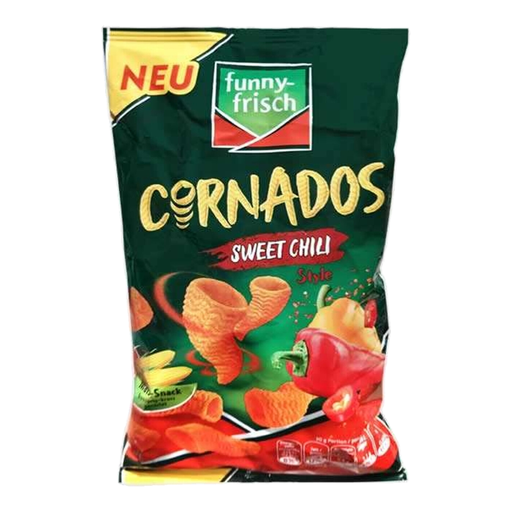
A spicy corn snack for a savoury selection. If gluten or animal-derived ingredients need to be avoided, check the relevant information and any possible traces on the current pack.
 No image available
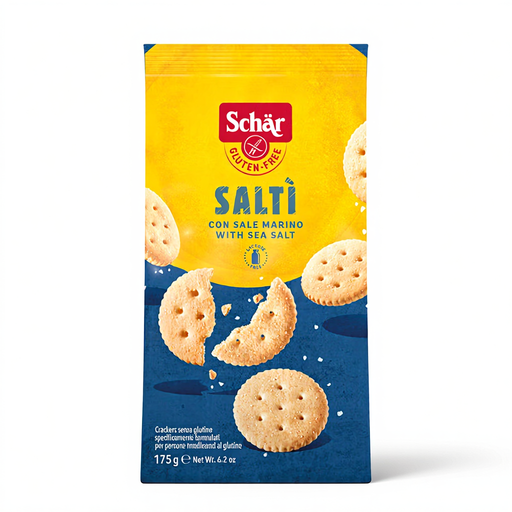
Salted crackers for a selection that needs to include gluten-free products. Soya is listed as an ingredient in this product, with lupin listed as a possible trace; if either needs to be avoided, check the current pack.
 No image available
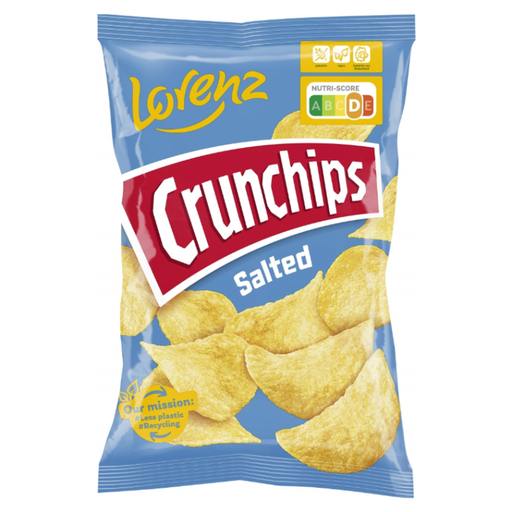
Salted potato crisps for a savoury option. Lorenz lists potatoes, vegetable oils and salt as ingredients in Crunchips Salted. If milk or other allergens need to be avoided, check the information on the pack you’ve bought too.
 No image available
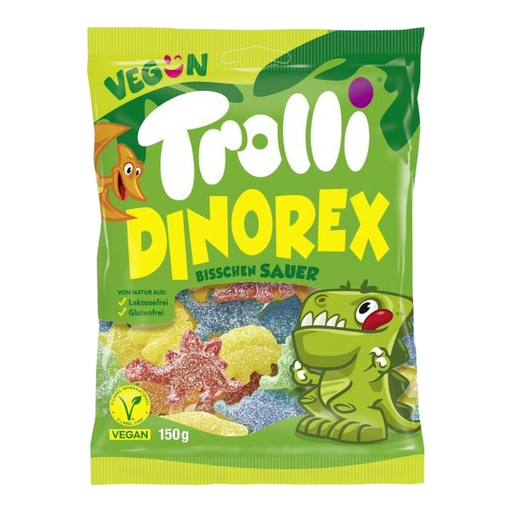
A sweet treat rather than a savoury snack. Check the ingredients and trace information on the pack; according to the product description, these fruit gummies pose a choking risk for young children.
 No image available
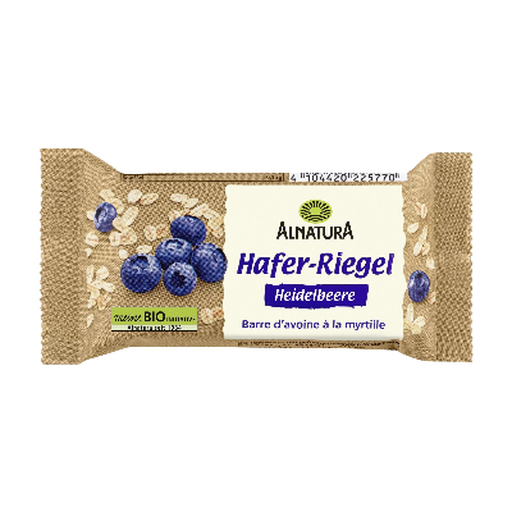
A bar to choose as an individual snack, rather than as part of a ready-made mix. This product contains oats with gluten, so it isn’t a gluten-free option. If anyone has other allergies, check the current pack for possible traces too.
No, because the two labels refer to different things. A gluten-free snack may contain milk, for example, while a vegan product may contain nuts, soya or cereals containing gluten. Check the ingredients on the specific pack against what the child needs to avoid.
The ingredients list names ingredients that have been deliberately added. According to the Federal Ministry of Agriculture, Food and Regional Identity, the 14 allergens that must be labelled have to be declared. A ‘may contain’ warning, by contrast, relates to possible accidental traces. If someone needs to avoid a particular ingredient, check both on the pack you’ve bought.
Serve products separately after checking their packaging, and keep the packs so you can identify each one. A shared, open mix makes it harder to match ingredients and possible traces to an individual snack.
Yes. If certain ingredients need to be avoided, the label on the pack you actually buy is what matters. Lorenz points out that recipes can change and that packs with both the old and new labelling may be on sale at the same time.
REWE has an online category for gluten-free snacks, while EDEKA lists relevant products at selected stores. Then check each individual pack for any other ingredients that your group needs to avoid.