What should you look for when buying?
Start with the ingredient that needs to be avoided. Then compare snack types and nutritional information.
| Criterion | What to check when buying | Who it matters most to |
|---|
| Nuts and peanuts |
The specific nut to avoid in the ingredients list and allergen information; consider any precautionary allergen information in line with your individual allergy plan. |
If my child has a nut or peanut allergy, I don’t want to assume a general ‘free from’ label means a product is suitable for them. This would likely be the top priority for around 33% of consumers. |
| Gluten |
For processed snacks, look for an explicit gluten-free label; check for the same label on oats. |
If gluten needs to be avoided, I want clear labelling on biscuits and oat products too, rather than making assumptions based on individual ingredients. Around 27% of consumers would put reliable gluten-free labelling first. |
| Snack type |
Age, and ability to chew and swallow; no whole nuts for toddlers. |
For a younger child, a snack needs to fit not only in the day-trip bag but also their ability to eat safely. This would be the main concern for about 20% of consumers. |
| Ingredients |
Sugar and salt in the nutritional information per 100 g, as well as a suitable portion size. |
If I’m planning snacks for several days of the holiday, I want to choose sweet and savoury options mindfully. Around 20% of consumers would probably weigh up this everyday consideration first. |
Brands and ranges to help you choose
Range names can help you find what you’re looking for, but they don’t replace checking the ingredients and allergen information for each snack.
REWE frei von
REWE uses this name for a range of gluten-free and lactose-free products, including confectionery and baked goods.
- A good place to start if gluten or lactose needs to be avoided.
- The range name doesn’t tell you whether an individual product contains nuts; REWE also notes that availability varies between stores.
EDEKA
EDEKA features gluten-free foods in its range, including baked snacks and savoury options.
- For gluten intolerance, EDEKA recommends looking for an explicit gluten-free label.
- This label doesn’t answer questions about nuts or milk in the same product.
ALDI SÜD
ALDI SÜD offers information and recipe ideas, including for gluten-free diets.
- The information highlights ingredients and the labelling of oats.
- For a ready-made holiday snack, check the information on the product’s own packaging.
Lidl
Lidl has a range of own-label foods; Alesto is part of its snack range.
- Its own-label ranges can help you find snacks or drinks.
- An own-label brand alone doesn’t mean a product is suitable for a particular allergy.
Solevita
According to Lidl, Solevita is a fruit drink brand, making it more of a drink to take along than a nut snack.
- The brand may be worth considering when choosing a drink for your day out.
- The brand description doesn’t replace checking the ingredients and allergens in a specific drink.
Seeberger
Seeberger offers nuts, seeds, dried fruit and mixes.
- The range is worth considering if nuts are suitable for your child and in an age-appropriate form.
- Nut products aren’t an alternative if your child needs to avoid a particular type of nut because of an allergy.
Snacks at Joybuy
This selection includes snacks labelled gluten-free and corn and millet puffs for on the go. Whether a particular product is suitable for a specific allergen depends on the information on its packaging; the corn and millet puffs aren’t gluten-free simply because of their ingredients.
 No image available
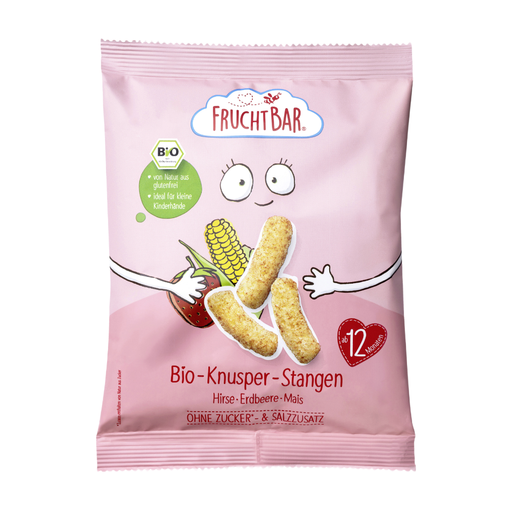
FruchtBar Organic Crispy Sticks with millet and strawberry, 30 g
An on-the-go option if you’re looking for millet and strawberry sticks labelled gluten-free.
The product name gives the weight as 30 g. If your child has a nut or peanut allergy, also check the latest allergen and precautionary allergen information on the packaging.
View at Joybuy
 No image available
Schär Gluten-Free Dark Crispbread, 125 g
Crispbread to consider when looking for a snack labelled gluten-free.
The product name gives the pack size as 125 g. If your child also needs to avoid nuts or peanuts, check the latest packaging for this separately.
View at Joybuy
 No image available
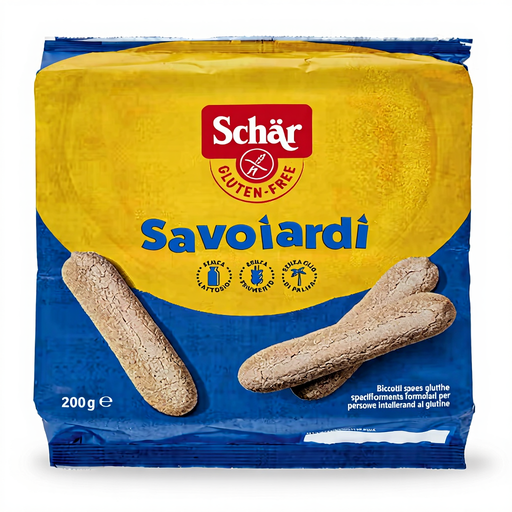
Schär Gluten-Free Ladyfingers Biscuits, 200 g
Ladyfingers for a sweet snack labelled gluten-free in the product name.
The pack size is 200 g. If your child needs to avoid other ingredients, check the allergen labelling on the latest packaging.
View at Joybuy
 No image available
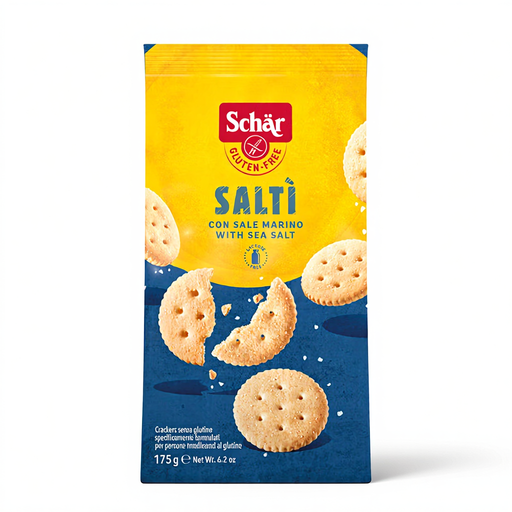
Schär Gluten-Free Saltí salted crackers, 175 g
Salted crackers to consider when looking for a snack labelled gluten-free.
The product name gives the weight as 175 g. When choosing snacks for children, compare the salt per 100 g on the packaging and check separately for any other relevant allergens.
View at Joybuy
 No image available
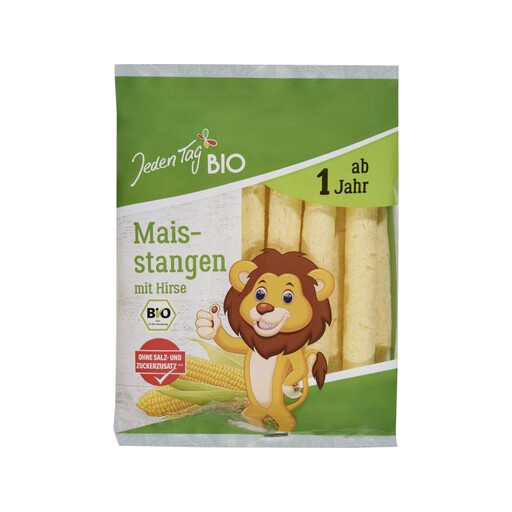
Jeden Tag Organic corn and millet puffs, 50 g
An on-the-go corn and millet snack, provided you can check its suitability on the packaging.
The product name gives the weight as 50 g. Corn and millet alone don’t replace an explicit gluten-free label if gluten needs to be avoided; if your child has a nut allergy, the latest allergen and precautionary allergen information matters too.
View at Joybuy
Frequently asked questions
Do ‘may contain nuts’ and ‘may contain traces of nuts’ indicate different levels of risk?
No. You can’t reliably determine a level of risk from these phrases. Lebensmittelklarheit explains that both refer to possible accidental contamination, without specifying how much may be present. If an allergy has been confirmed, follow the individual allergy plan when deciding what to buy.
How can I spot nuts in a packaged snack?
Read the ingredients list and highlighted allergen information, looking for the specific type of nut or peanuts that need to be avoided. Lebensmittelklarheit explains the labelling of major allergens that have been deliberately added. Check any precautionary allergen information separately for possible accidental contact.
Does lactose-free mean milk-free?
No. EDEKA still lists milk as an ingredient in a Skyr labelled lactose-free. If milk itself needs to be avoided, check the ingredients and allergen information rather than relying on the lactose-free label alone.
Are whole nuts a suitable holiday snack for toddlers?
No. kindergesundheit-info.de warns that whole nuts pose a choking risk for toddlers. If nuts are allowed, choose an age-appropriate form; if your child has a nut allergy, this option isn’t suitable either.
If you have coeliac disease, is it enough for a snack to have no wheat in the ingredients list?
No. That alone doesn’t replace an explicit gluten-free label. For gluten intolerance, EDEKA recommends choosing products labelled accordingly. Check this particularly carefully on processed biscuits and snacks.


