
Lieferung heute & morgen

Qualitätsgarantie

Willkommens-Angebote freischalten: KOSTENLOSE Lieferung | Bis zu 80 % RABATT | Kostenlose 30-Tage-JoyPlus-Testphase
App herunterladen
Modern home appliances promise greater comfort, cleanliness, and efficiency. However, the market is saturated with devices boasting over-engineered features and marketing claims that often fall short in practice. The result? Wasted money and frustration. This guide will help you identify the crucial features and avoid common buying pitfalls.
Before making a purchase, you should be aware of the typical traps that often lead to disappointment.
To make an informed decision, focus on objective, measurable criteria that determine an appliance's true utility.
For appliances that run frequently or for long periods, like a portable air conditioner or an air purifier, operating costs are a major factor. Pay close attention to the energy efficiency class. Class A devices consume significantly less electricity. For air conditioners, the refrigerant used is also relevant. R290 is a natural refrigerant with a low global warming potential, making it a more eco-friendly choice. Energy-efficient appliances not only save you money but also help protect the environment.
For allergy sufferers, pet owners, and anyone who values clean air, filter technology is crucial. A HEPA (High-Efficiency Particulate Air) filter can remove the smallest particles like pollen, fine dust, and pet dander from the air. An air purifier for allergy sufferers should come equipped with one as standard.
Models with a washable HEPA filter or a washable pre-filter are particularly practical and cost-effective. These can be easily rinsed under running water and reused, significantly reducing the ongoing costs of replacement filters.
Some appliances offer more than one function, thereby creating greater value. A handheld vacuum that can also be used as a cordless stick vacuum for floors is more flexible than a dedicated handheld-only device. Models with an additional vacuum with a blower function are excellent for clearing dust from hard-to-reach corners or delicate equipment like keyboards. A bagless vacuum cleaner with an easy-to-empty dustbin also saves time and money.
Here are some recommendations tailored to specific needs and household types.
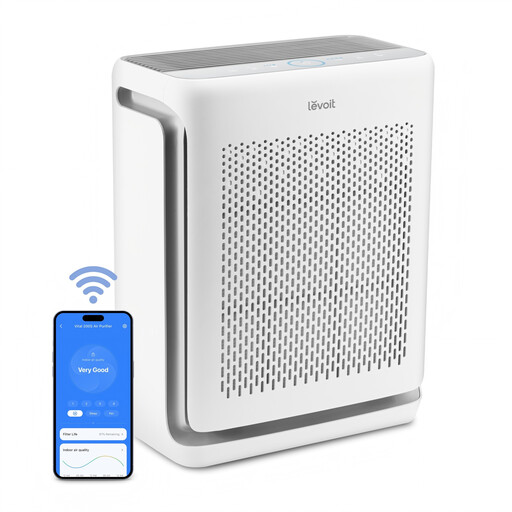
Why it's a great fit: Specifically designed for households with pets and allergy sufferers. The U-shaped air inlet efficiently captures pet hair, while the HEPA filter removes fine dust and allergens. Its smart features focus on the essentials: monitoring and displaying air quality in real time.
The washable pre-filter reduces running costs (Pitfall 3). The app provides practical control and monitoring, rather than being just an unnecessary gimmick (Pitfall 1).
3-stage HEPA filtration with 99.97% efficiency for 0.1-0.3 μm particles and a special pet mode for odour and hair removal.
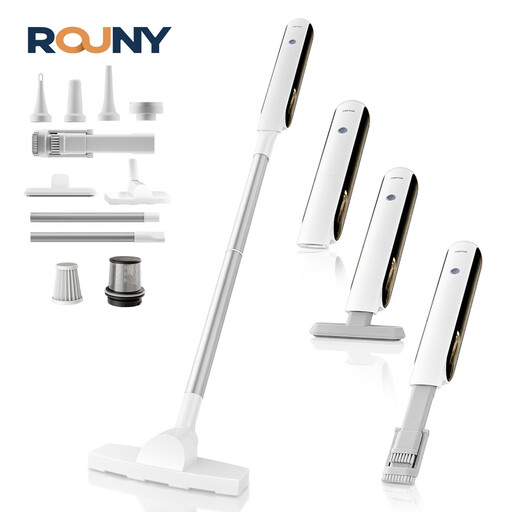
Why it's a great fit: This device is a versatile cordless vacuum that can be used as a handheld vacuum for cars and furniture or with an extension rod for floors. The integrated blower function and LED light significantly enhance its practical, everyday utility.
The focus is on versatility and measurable performance (up to 18 kPa suction power) instead of vague wattage claims (Pitfall 2). The washable HEPA filter also avoids hidden running costs (Pitfall 3).
Combines suction and blower functions, an LED light for cleaning dark areas, and a comprehensive accessory kit with 7 nozzles for maximum flexibility.
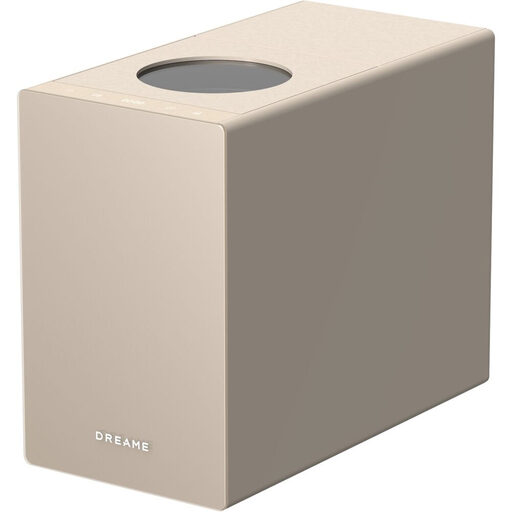
Why it's a great fit: This kitchen waste recycler is an innovative solution for modern kitchens. It significantly reduces the volume of food waste, minimises odours with an activated carbon filter, and ensures greater hygiene. Ideal for households that value cleanliness and sustainability.
This device solves a real problem (kitchen waste and odours) and isn't an overpriced gimmick (Pitfall 1). The automatic cleaning function and the washable filter minimise maintenance and running costs (Pitfall 3).
Reduces food waste to a dry, low-odour mass and features an automatic high-temperature cleaning function for maximum hygiene.
We have compiled a complete, up-to-date list of products that fully meet these strict selection criteria and safety regulations.
The energy efficiency class is very important as it has a direct impact on your electricity bill. A Class A appliance can lead to significant cost savings over its lifespan compared to a Class C or D device. This is a crucial factor, especially for appliances in continuous operation, such as refrigerators or air purifiers.
HEPA stands for "High-Efficiency Particulate Air." A HEPA filter can remove at least 99.97% of airborne particles as small as 0.3 microns, including pollen, dust mites, mould spores, and pet dander. A washable filter is advantageous because it can be reused. This not only saves the cost of regularly buying disposable filters but also reduces waste, making it more environmentally friendly.
Not necessarily. Many smart home gadgets can also be operated directly on the device itself. An app often provides additional features like remote control, scheduling, or monitoring consumption data. You should weigh whether these functions offer real value for you. A good smart device should be intuitive and fully functional even without constant app use.