
Lieferung heute & morgen

Qualitätsgarantie

Willkommens-Angebote freischalten: KOSTENLOSE Lieferung | Bis zu 80 % RABATT | Kostenlose 30-Tage-JoyPlus-Testphase
App herunterladen
Choosing the right chair for your home can be more challenging than it first appears. Whether for the home office, the dining room, or a cozy reading nook, the market is filled with options whose promises often don't align with reality. Many buyers only realise after a few months that their new chair is uncomfortable, shows signs of wear, or is simply not suitable for its intended purpose.
This guide will help you identify the crucial features and avoid common purchasing pitfalls. We focus on the objective criteria that define good seating, so your decision is based on facts, not marketing hype.
Before we delve into solutions, it's important to understand the problems. Many home chairs fail on three fundamental points that often only become apparent with everyday use.
To avoid the traps mentioned above, you should focus your attention on three critical areas. These parameters will help you objectively evaluate a chair's quality and functionality.
A true ergonomic office chair or a good desk chair must adapt to your body, not the other way around. Look for the following adjustment options:
The longevity of a chair depends directly on the materials used.
The intended use case determines the requirements for the chair.
Based on the criteria above, we have identified several models that represent a considered choice for specific user profiles and requirements.
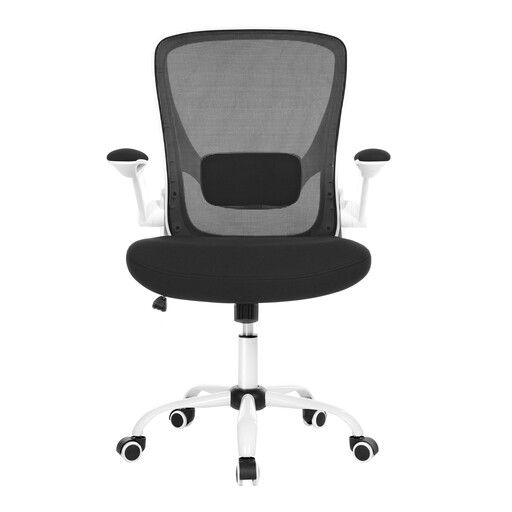
Why This Fits Their Persona: Ideal for home office workers or students seeking a functional, ergonomic seating solution that can be stored compactly when not in use.
This chair bypasses the "misleading ergonomics" trap by offering a specifically adjustable lumbar support and a rocking function. The flip-up armrests are a practical feature, not just a marketing gimmick.
The combination of a breathable mesh back to prevent heat build-up and flip-up armrests for space-saving storage under the desk.
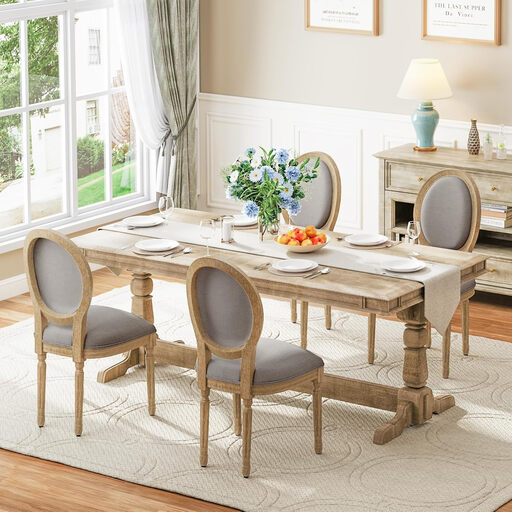
Why This Fits Their Persona: Suitable for those who value an elegant, cohesive design in their dining or living area and are looking for a durable solution with a classic aesthetic.
This set counters the "unstable construction" trap with a frame made of birch wood and legs of solid rubberwood. The specified weight capacity of 129 kg per chair reinforces its robust build.
The combination of an elegant French country style design and durable materials. A practical detail: the adjustable foot caps protect floors from scratches.
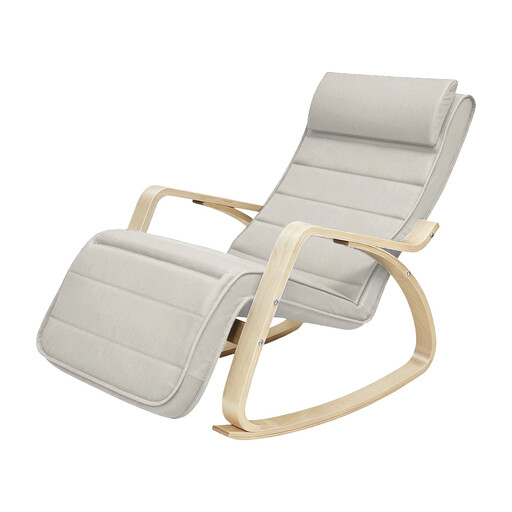
Why This Fits Their Persona: Perfect for anyone looking to create a cozy reading or relaxation nook in their living room or bedroom, who also values customisable comfort and Scandinavian design.
With its 5-level adjustable footrest, this chair offers genuine, customisable comfort. The solid construction of birch wood and a metal frame, with a weight capacity of 150 kg, counteracts the instability trap.
The combination of adjustable ergonomics via the footrest and easy maintenance thanks to the removable and washable cotton cover.
We've compiled a complete, up-to-date list of products that fully meet these strict selection criteria and relevant safety regulations.
What should I look for in an ergonomic office chair? The three most important features are a height-adjustable lumbar support to support the lower back, an adjustable seat height so your feet are flat on the floor, and adjustable armrests to relieve shoulder strain. A rocking or synchro-tilt mechanism for dynamic sitting is also a key feature.
What should the maximum weight capacity of a chair be? The maximum weight capacity is a good indicator of the robustness of the frame and components. Standard office chairs are often rated for 110 kg to 120 kg. Models that can support up to 150 kg indicate a particularly stable construction. Always check this value to ensure the chair is suitable for your body weight.
Which material is easiest to clean for dining chairs? Chairs with frames made of metal or lacquered wood are generally easy to wipe down. For covers, faux leather or specially treated, stain-resistant fabrics are practical. A very low-maintenance option is models with removable and machine-washable covers, as stains can be completely removed.