
Lieferung heute & morgen

Qualitätsgarantie

Willkommens-Angebote freischalten: KOSTENLOSE Lieferung | Bis zu 80 % RABATT | Kostenlose 30-Tage-JoyPlus-Testphase
App herunterladen
A huge screen, cinema-quality sound, and movie nights in the comfort of your own home—the idea of owning a home cinema projector is tempting. However, the market is flooded with technical jargon and marketing promises that can easily lead to a poor purchase. Many buyers are disappointed when the advertised "super-bright 4K projector" turns out to be a dim device with a blurry image. Before you decide to buy a projector, it's crucial to understand the three most common pitfalls.
This guide will help you see through these marketing tactics and focus on the features that truly matter.
To avoid a bad purchase, let objective technical data guide you, not advertising slogans. The following three parameters are crucial for a successful home cinema experience.
Resolution determines the sharpness and detail of the image. Here, the "native" resolution is the decisive value, not the maximum supported one.
A projector's brightness is measured in ANSI Lumens. This is a standardised measurement method that, unlike non-standardised "lumen" or "lux" ratings, allows for a reliable comparison between different models.
A modern LED projector also offers a long light source lifespan and consistent brightness over many years.
A modern home cinema projector should integrate seamlessly into your home network.
We have selected models based on objective criteria that avoid the pitfalls mentioned.
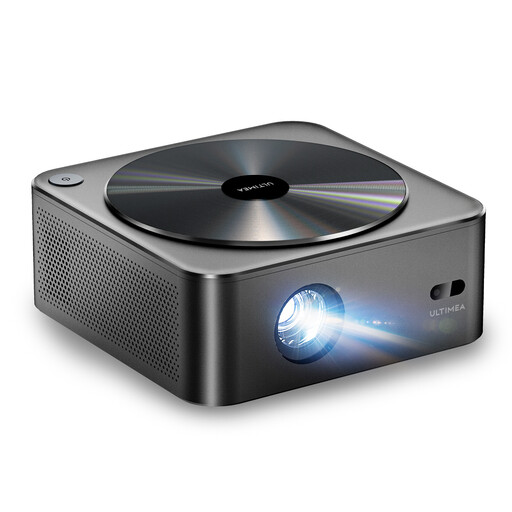
Why this model is a good fit: It provides a solid foundation with native 1080p resolution and good brightness, without being overwhelming with complex features. Ideal for a first home cinema setup in a living room or bedroom.
With a native 1080p resolution and clearly stated 700 ANSI lumens, it bypasses the "fake 4K" and misleading brightness traps.
The autofocus and automatic 6D keystone correction significantly simplify setup, which is a major plus for beginners.
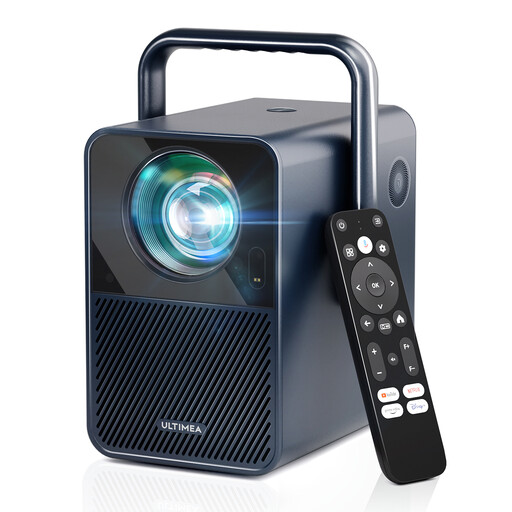
Why this model is a good fit: Perfect for users who want to unbox, power on, and start streaming immediately. The integrated and licensed Android TV 11.0 makes external devices like TV sticks redundant.
It solves the "useless smart features" problem with an officially certified Android TV system, including Netflix. The 1000 ANSI lumens are also a reliable figure for living room use.
The combination of high brightness, a full-fledged smart OS, and Dolby Audio support offers a complete home cinema package in a single device.
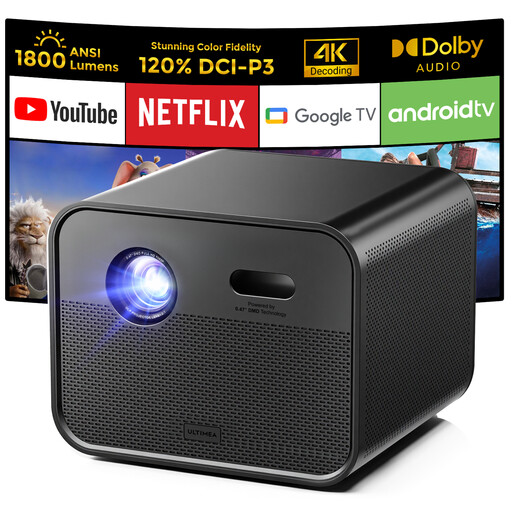
Why this model is a good fit: Aimed at users who refuse to compromise on image quality and need a device that performs well even in rooms that aren't completely dark.
With a very high brightness of 1800 ANSI lumens and high-quality DLP technology, it clearly stands out from models with embellished brightness claims. The integrated Google TV also ensures a first-class smart experience.
The DLP imaging technology provides higher contrast and a sharper picture compared to many LCD models. Its high brightness makes it extremely versatile.
We have compiled a complete, up-to-date list of products that fully meet these strict selection criteria and all relevant safety regulations.
That depends on your room. For a dedicated, dark home cinema room, 500-700 ANSI lumens are often sufficient. If you plan to watch in a living room with some ambient light, you should aim for 700 to 1500 ANSI lumens. For use in daylight or in very bright rooms, models with 1500 ANSI lumens or more are recommended.
For many users, yes. A projector offers a much larger and more cinematic image for a comparable price. However, a TV has advantages in very bright rooms and doesn't require lamp replacements (although modern LED projectors have a very long lifespan of over 20,000 hours). The decision depends on your viewing habits and the lighting conditions in your home.
Keystone correction compensates for image distortions that occur when the projector is not placed exactly in the centre of the screen, but at an angle. An automatic function detects the distortion and corrects it on its own. This is very convenient and saves you from manual adjustments, making it an important feature for anyone who wants a quick and easy setup.