
Lieferung heute & morgen

Qualitätsgarantie

Willkommens-Angebote freischalten: KOSTENLOSE Lieferung | Bis zu 80 % RABATT | Kostenlose 30-Tage-JoyPlus-Testphase
App herunterladen
A home cinema projector can transform your living room into a movie theatre, delivering large-screen experiences that a TV can hardly match. However, the market is flooded with technical jargon and marketing promises that often confuse more than they clarify. Incorrect assumptions about brightness, smart features, or actual image quality can quickly lead to a costly mistake.
As your Joybuy Product Recommendation Officer, I'm here to help you navigate these pitfalls. This guide focuses on the objective criteria that truly matter, enabling you to make an informed decision and find the right device for your needs.
Before we dive into the technical details, let's look at the three most common marketing traps that lead to disappointment.
To avoid these pitfalls, you should focus on three core areas. These objective features determine the true performance and user-friendliness of a home cinema projector.
Image sharpness is determined by the native resolution. While many devices advertise "4K support," this simply means they can process a 4K signal. The actual display often occurs at a lower native resolution.
The light source is just as crucial. A Laser Projector is the modern alternative to the classic lamp. Laser light sources offer a lifespan of over 20,000 hours, consistent brightness throughout their entire operational life, and more precise colour reproduction.
A modern projector with Wi-Fi and Bluetooth is essential today. Look for dual-band Wi-Fi (2.4/5 GHz) or the newer WiFi 6 standard for a stable and fast connection, which is necessary for 4K streaming. Bluetooth allows for the straightforward connection of external speakers or headphones.
When it comes to the operating system, officially licensed platforms like Google TV or Android TV are the most reliable choice. They guarantee access to all popular streaming apps, receive regular security updates, and offer a smooth, intuitive user interface.
If you plan to use the projector in more than one fixed location, the criteria for a portable projector or outdoor projector become relevant.
Based on the objective criteria above, we have identified some models that are particularly well-suited for specific user profiles.
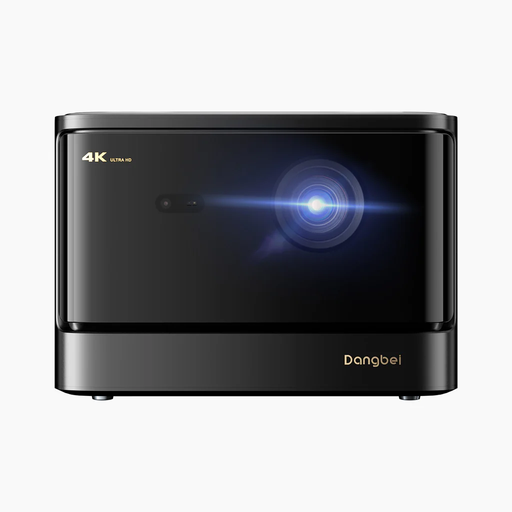
Why it's a match: This device is aimed at users who refuse to compromise on image quality. It combines a native 4K resolution with a long-lasting laser light source for maximum detail and colour brilliance in a dedicated home cinema.
With 2450 ISO lumens, the projector delivers verified brightness that impresses even in rooms that aren't completely dark. The officially licensed operating system guarantees full access to Netflix in 4K.
The combination of native 4K resolution and ALPD laser technology ensures an extremely sharp, high-contrast image with a long, maintenance-free lifespan.
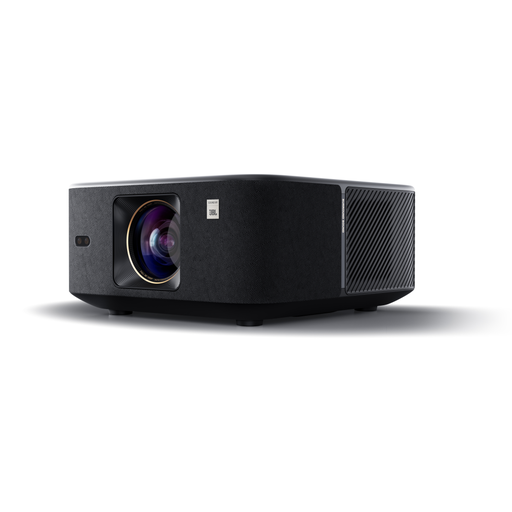
Why it's a match: Ideal for families and users looking for a hassle-free device for movie nights in the living room or spontaneous sports broadcasts. The focus here is on simple operation and integrated smart features.
This model features integrated Google TV with access to over 7,000 apps, thus avoiding the pitfall of unstable operating systems. The automatic setup (focus, keystone, obstacle avoidance) prevents frustration during positioning.
The integrated 15W JBL stereo speakers with Dolby Audio support deliver room-filling sound that is sufficient for many applications without an external sound system.
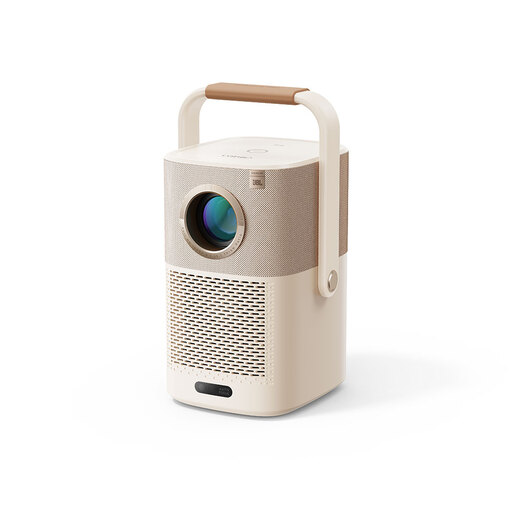
Why it's a match: For anyone who wants to take their cinema experience outdoors. Thanks to its integrated battery and compact design, this projector is perfect for the garden, camping trips, or quickly moving between rooms.
The integrated battery for up to 2.5 hours of video playback and the flexible handle/stand design solve the problem of cumbersome setup and power supply for mobile use.
The combination of a Google TV dongle, JBL speakers, and battery operation makes it a self-contained entertainment solution that requires no additional devices or cables.
We have compiled a complete, up-to-date list of products that fully meet these strict selection criteria and German safety regulations.
The required brightness depends heavily on the ambient light. Always look for the specification in ANSI lumens or ISO lumens.
Whether the extra cost for a 4K projector is worth it depends on your projected screen size and viewing habits. On screen sizes over 100 inches (approx. 2.5 metres), the increase in sharpness from a native 4K resolution is clearly visible. If you regularly watch 4K Blu-rays or stream 4K content, you will benefit from the higher detail density. For smaller screen sizes or if you primarily consume HD content, a high-quality Full HD projector can be an excellent and more cost-effective choice.
The main difference lies in the light source, which affects lifespan, maintenance, and image quality.