
Lieferung heute & morgen

Qualitätsgarantie

Willkommens-Angebote freischalten: KOSTENLOSE Lieferung | Bis zu 80 % RABATT | Kostenlose 30-Tage-JoyPlus-Testphase
App herunterladen
As a cat owner, you know that daily litter box cleaning is one of the less pleasant chores. A self-cleaning litter box promises a significant upgrade: better hygiene, less odor, and more time saved. However, the market is flooded with models whose marketing promises often fall short in practice. Many buyers invest in an expensive device only to find that it creates new problems instead of solving old ones.
This guide will help you identify the typical pitfalls and understand the technical features that are crucial for reliable and hygienic operation. This way, you can make an informed decision that meets the needs of your cat and your household.
The investment in an automatic litter box can be substantial. This makes it all the more important to be aware of common flaws that can severely limit a device's usefulness.
To avoid these pitfalls, you should base your selection on objective technical criteria. The following three parameters are essential for long-term satisfaction with an automatic litter box.
Size is a crucial factor, especially if you are looking for a litter box for multiple cats or a large litter box for large cats like Maine Coons or Ragdolls. Pay attention to three specific measurements:
An effective anti-odor litter box relies on a multi-stage system rather than a single filter. Reliable solutions combine several technologies:
A smart litter box with an app offers far more than just the ability to start a cleaning cycle remotely. The truly useful features lie in monitoring your pets' health. High-quality models use integrated scales and sensors to collect individual data for each cat (in multi-cat households):
Based on the criteria above, we have compiled a selection of devices suited for specific user profiles and their requirements.
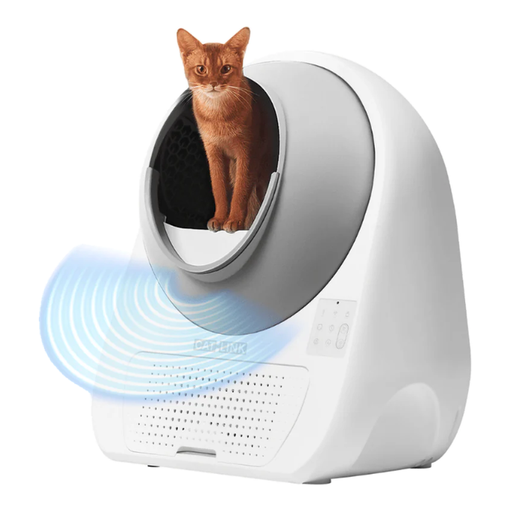
Why This Fits Their Persona: Ideal for owners of multiple cats who value data-driven health monitoring and maximum control. The app allows for individual tracking of weight and bathroom habits for each cat.
The 3-stage system of UV light, activated carbon, and active oxygen actively combats odors (rather than just filtering them). Radar and infrared sensors provide a dual safety net against malfunctions.
Large capacity (65L interior, 13L waste drawer) and four cleaning modes. The app-based health monitoring provides objective data for each individual cat.
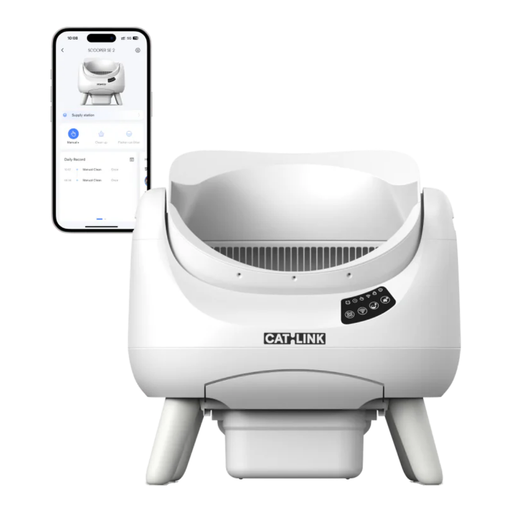
Why This Fits Their Persona: Perfect for large cats or pets that avoid enclosed, hooded litter boxes. The open-top design offers a more natural feel and prevents the cat from feeling confined.
The open design prevents heat buildup and the concentration of odors inside. The entire unit is washable, which simplifies deep cleaning and reduces maintenance effort.
Spacious interior and a 4-stage safety system. The 12-liter waste drawer offers extended use without needing to be emptied.
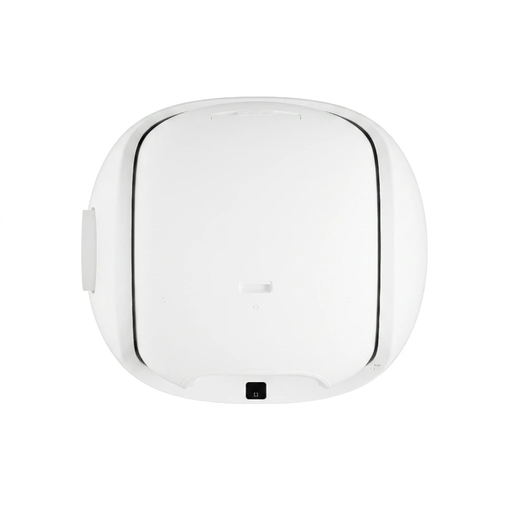
Why This Fits Their Persona: For owners seeking a device that seamlessly integrates into a modern living space. The low entry with a ramp also makes it ideal for households with kittens, senior cats, or cats with limited mobility.
A comprehensive 6-point safety system with infrared and gravity sensors ensures security. The OdorLock technology, featuring a sealed lid and door, effectively isolates odors.
The design is both aesthetically pleasing and functional, with a ramp that cleans paws and reduces litter tracking. A special mode for soft stool improves cleaning performance.
We have compiled a complete, up-to-date list of products that fully meet these strict selection criteria and rigorous safety standards.
1. How long does it take for a cat to get used to a self-cleaning litter box? The adjustment period varies from cat to cat and can range from a few hours to several weeks. To ease the transition, you can place the new device next to the old one without turning it on at first. Add some used litter from the old box to the new one to create a familiar scent. Once the cat accepts the new box, you can activate the automatic function and remove the old one.
2. What are the ongoing costs of an automatic litter box? The running costs consist of three main components: electricity, cat litter, and special accessories. Electricity consumption is generally low. The biggest expenses are cat litter (most models require clumping litter) and manufacturer-specific accessories like waste bags, filters, or deodorizing agents. Before buying, check if the device is compatible with standard trash bags or if it requires special refill cartridges, as this can affect the cost.
3. How often does the waste drawer of a self-cleaning litter box need to be emptied? The frequency depends on the number of cats in the household and the size of the waste drawer. For a single cat and a drawer with a volume of 10-13 liters, the interval can be up to two weeks. In a multi-cat household, the drawer will need to be emptied more frequently, about every 3-7 days. Many smart models send a notification to your smartphone when the drawer is full.