
Lieferung heute & morgen

Qualitätsgarantie

Willkommens-Angebote freischalten: KOSTENLOSE Lieferung | Bis zu 80 % RABATT | Kostenlose 30-Tage-JoyPlus-Testphase
App herunterladen
The selection of coconut oil on the shelf can be overwhelming: virgin, refined, organic, cold-pressed. Each type has specific properties that make it more or less suitable for certain purposes. This guide provides you with objective information to help you make an informed decision and buy the right coconut oil for your culinary needs, whether for frying, baking, or cooking.
To find the right product, a few basic criteria are essential. Understanding these differences will help you make the most of the oil's properties.
The most important distinction lies in the production method, which determines the taste, smell, and ideal use case.
The smoke point is the temperature at which a fat or oil begins to smoke and break down. Using an oil above its smoke point can not only impair the taste but also lead to the formation of undesirable compounds.
For consumers who value organic farming, an organic coconut oil is a sensible option. Products with a recognised organic seal, such as the EU organic logo, come from cultivation that avoids the use of synthetic pesticides and chemical fertilisers.
Based on these criteria, we have compiled a selection of products that cover different kitchen requirements.
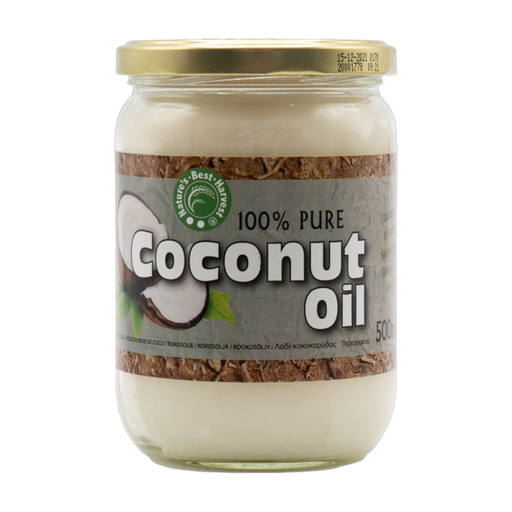
Why it stands out Thanks to its neutral flavour and high heat resistance, this physically refined coconut oil is an extremely versatile staple in the kitchen. The high smoke point of 204 °C makes it a reliable choice for high-temperature cooking.
Pros
Who it's for For home cooks and bakers who need an all-purpose, plant-based fat without a distinct flavour. It is a practical alternative to butter when using coconut oil for baking and a stable base for high-heat searing.

Why it stands out The Alnatura Coconut Oil is a virgin coconut oil from organic farming. It is cold-pressed from fresh coconuts and brings a delicate, exotic coconut aroma to your kitchen. The organic certification (DE-?KO-006) ensures it has been produced according to ecological standards.
Pros
Who it's for For health-conscious consumers and fans of Asian cuisine who appreciate the authentic taste of coconut. It is ideal for adding a subtle, exotic touch to curries, soups, and desserts.
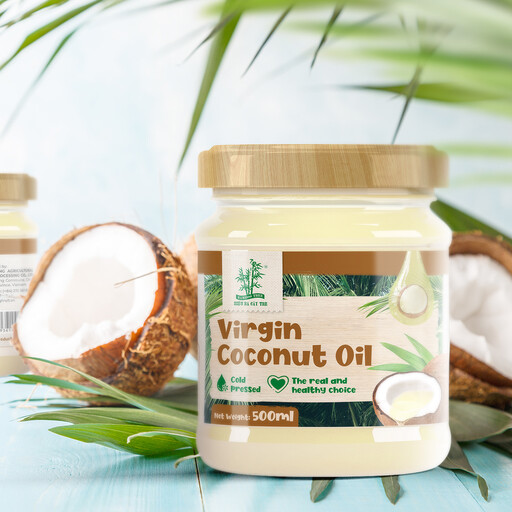
Why it stands out This product consists of 100% virgin coconut oil and offers a pure, unadulterated option for the kitchen. It is designed as an all-purpose oil for various preparation methods, though the manufacturer does not recommend heating it above 175 °C to ensure quality.
Pros
Who it's for For users looking for a pure, virgin coconut oil for everyday use. It is a great choice for dishes where the coconut aroma is welcome and for cooking at medium temperatures.
This selection covers the most common use cases. However, if you are looking for more specific products or different package sizes, you can find more alternatives in our broader product category.
Explore our entire range of coconut oil
1. Is coconut oil solid or liquid at room temperature? Coconut oil has a melting point of about 24 °C. Below this temperature, it is solid and has a white, creamy consistency (hence the name coconut fat). Above this temperature, it becomes a clear, liquid oil. This change in physical state is a natural process and does not affect the quality of the product.
2. Can I use coconut oil for deep-frying? Yes, but choosing the right type is crucial. Refined coconut oil is very suitable for deep-frying due to its high smoke point (over 200 °C). Virgin coconut oil should not be used for high-temperature deep-frying due to its lower smoke point (approx. 175 °C).